


Why Some Agricultural Products Remain Unsold
BACOLOD - Farm products may fail to reach consumers for several reasons, even when they are still suitable for eating. Seasonal harvests can create an oversupply that exceeds the demand of Bacolod's markets, while sudden price changes may make transportation and selling less practical for farmers. Perishable products such as fruits and vegetables can also lose their market value when delivery is delayed or proper storage is unavailable. In some cases, produce that does not meet buyers' preferred size or appearance standards remains unsold despite being safe and nutritious. These challenges show how market access, handling facilities, and timely distribution influence the value of an agricultural harvest.
Finding Other Uses for Unsold Harvests
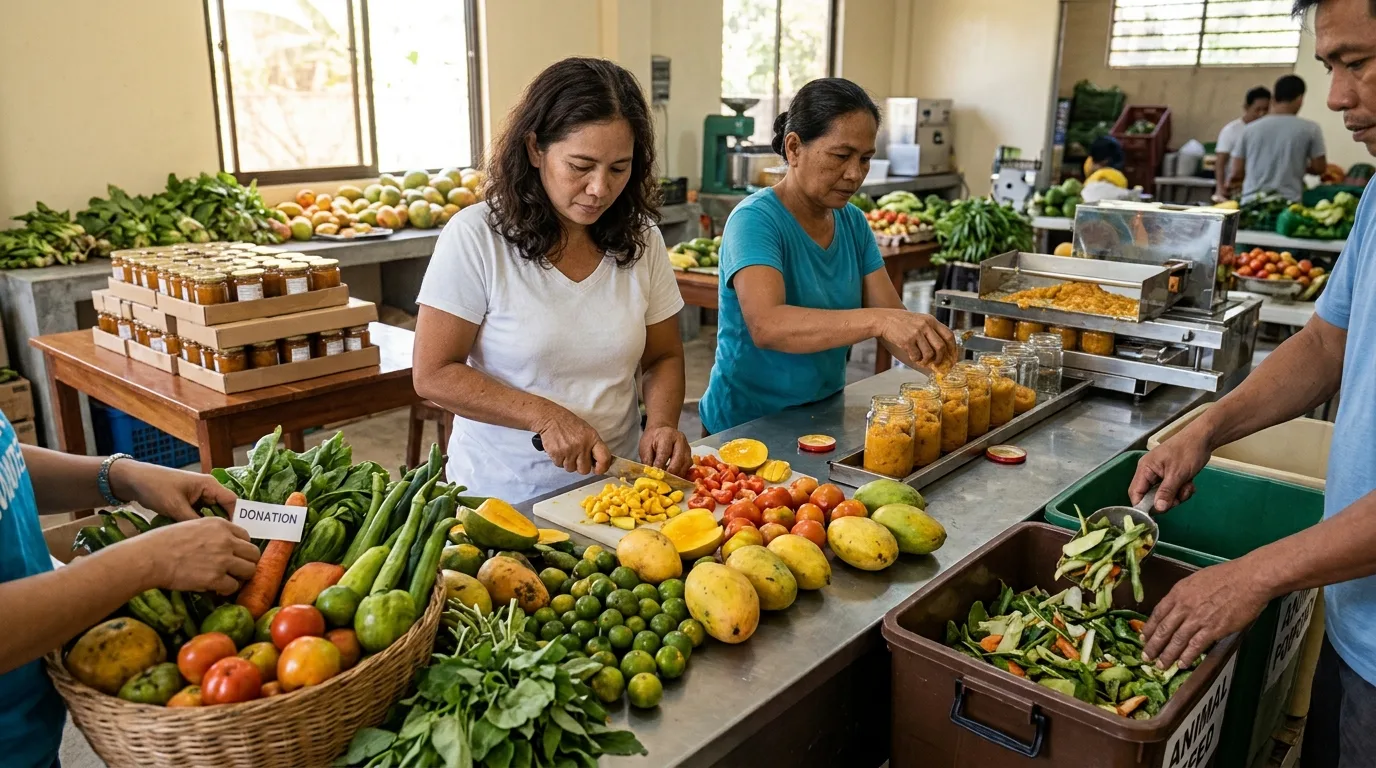
Produce that does not sell immediately may still have useful destinations. Depending on its condition and food safety, fruits can be processed into jams, juices, dried products, or other food items, while vegetables may be preserved or incorporated into prepared meals. Safe and suitable surplus food can also be donated through community organizations and food recovery initiatives. Products that are no longer fit for human consumption may have alternative uses, such as animal feed, when appropriate safety requirements are met. Agricultural materials that cannot be reused as food or feed can sometimes be composted and returned to the soil, helping reduce organic waste.
Building Better Connections Between Farms and Consumers
Reducing unsold produce requires cooperation among farmers, traders, local government offices, food businesses, and communities in Bacolod. Improved storage facilities, accessible transport, organized market information, and direct selling arrangements can help agricultural products reach buyers before their quality declines. Food processors, restaurants, and local food establishments can also create opportunities for crops that may not meet traditional retail standards but remain suitable for consumption. By developing practical ways to handle surplus harvests, Bacolod's agricultural communities can reduce avoidable losses, create additional income opportunities, and make better use of the resources involved in food production.
