


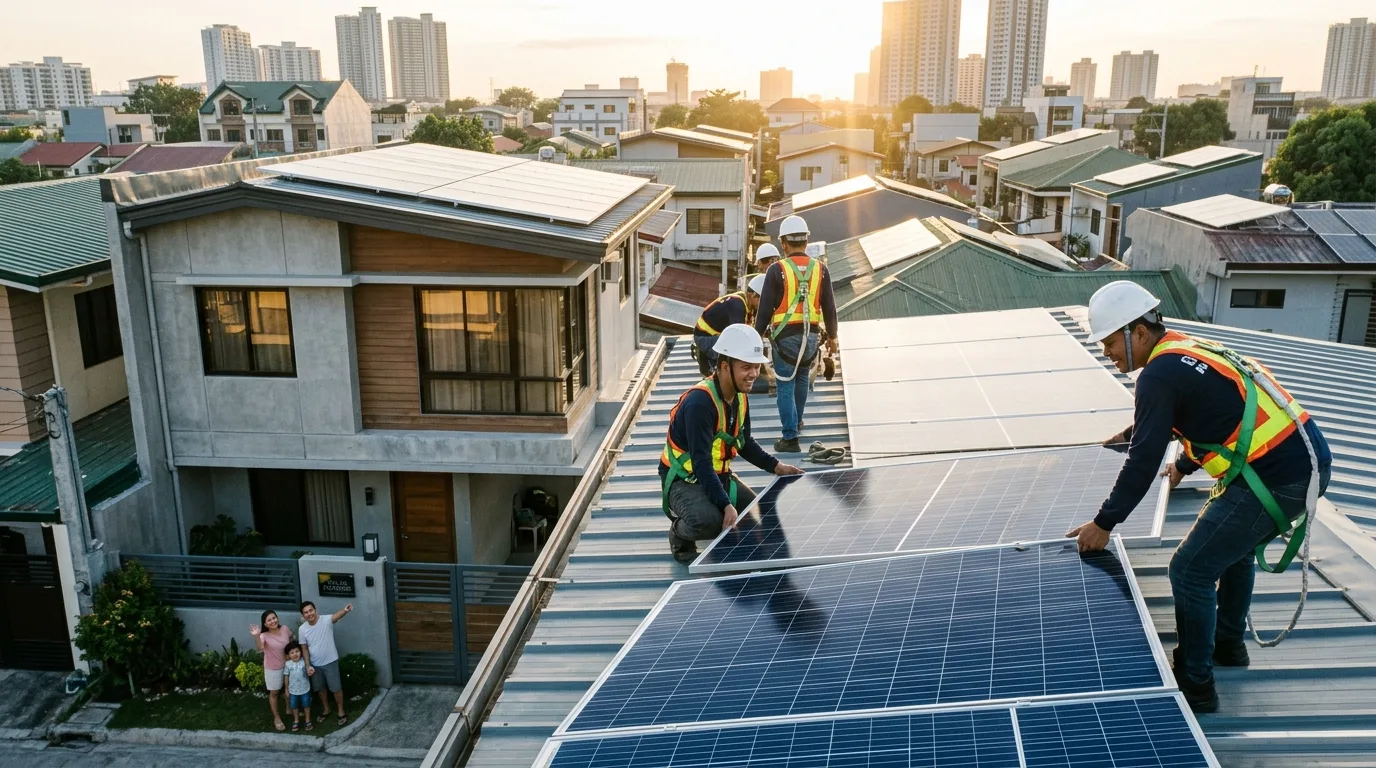
The Philippines is witnessing a significant surge in rooftop solar energy adoption, a boom reportedly "supercharged" by China, according to a recent dispatch from The Business Times. This development signals a pivotal shift in the nation's energy landscape, promising far-reaching implications for Filipino households, the national economy, and the country's commitment to sustainable development. The report highlights how foreign investment and technological contributions are accelerating the transition towards cleaner, more affordable power sources for millions across the archipelago.
Lowering Equipment Costs and Enhancing Grid Security Through Imported Photovoltaic Infrastructure
While specific details regarding the scale of investment, the number of projects, or the exact timeline were not extensively detailed in the initial report, the general thrust points to a robust expansion. This influx of solar technology and expertise from China is poised to make renewable energy more accessible and affordable for average Filipino families and businesses. For a nation grappling with fluctuating global energy prices and the need for resilient infrastructure, a widespread rooftop solar initiative offers a pathway to greater energy security and reduced reliance on traditional, often more expensive, fossil fuels.
Slashing Retail Electricity Rates and Creating Specialized Local Technical Opportunities
This burgeoning rooftop solar sector holds immense potential for the Philippines. For many Filipino families, particularly those with relatives working overseas as Overseas Filipino Workers (OFWs) sending remittances, lower electricity bills could mean a significant improvement in disposable income, allowing for better access to education, healthcare, or savings. Furthermore, the growth of this industry is likely to generate new employment opportunities within the Philippines, from installation and maintenance to manufacturing and technical support roles, contributing to local economic development and potentially reducing the need for some Filipinos to seek work abroad. The environmental benefits are also substantial, aligning the Philippines with global efforts to combat climate change through reduced carbon emissions.
Maximizing Clean Energy Financing Frameworks for Long-Term Economic Resilience
Filipinos, both domestically and those abroad supporting their families, should monitor this trend closely. The expansion of rooftop solar could lead to more stable and predictable energy costs, buffering households from volatile global energy markets. As this sector grows, there may be increasing demand for skilled labor, presenting new career pathways for technical professionals and tradespeople within the Philippines. Government initiatives supporting solar adoption, such as net-metering policies or financing options, could become more prevalent, making it easier for homeowners and businesses to invest in their own solar systems. This shift represents not just an energy transition, but a potential improvement in the quality of life and economic resilience for many Filipino communities.
