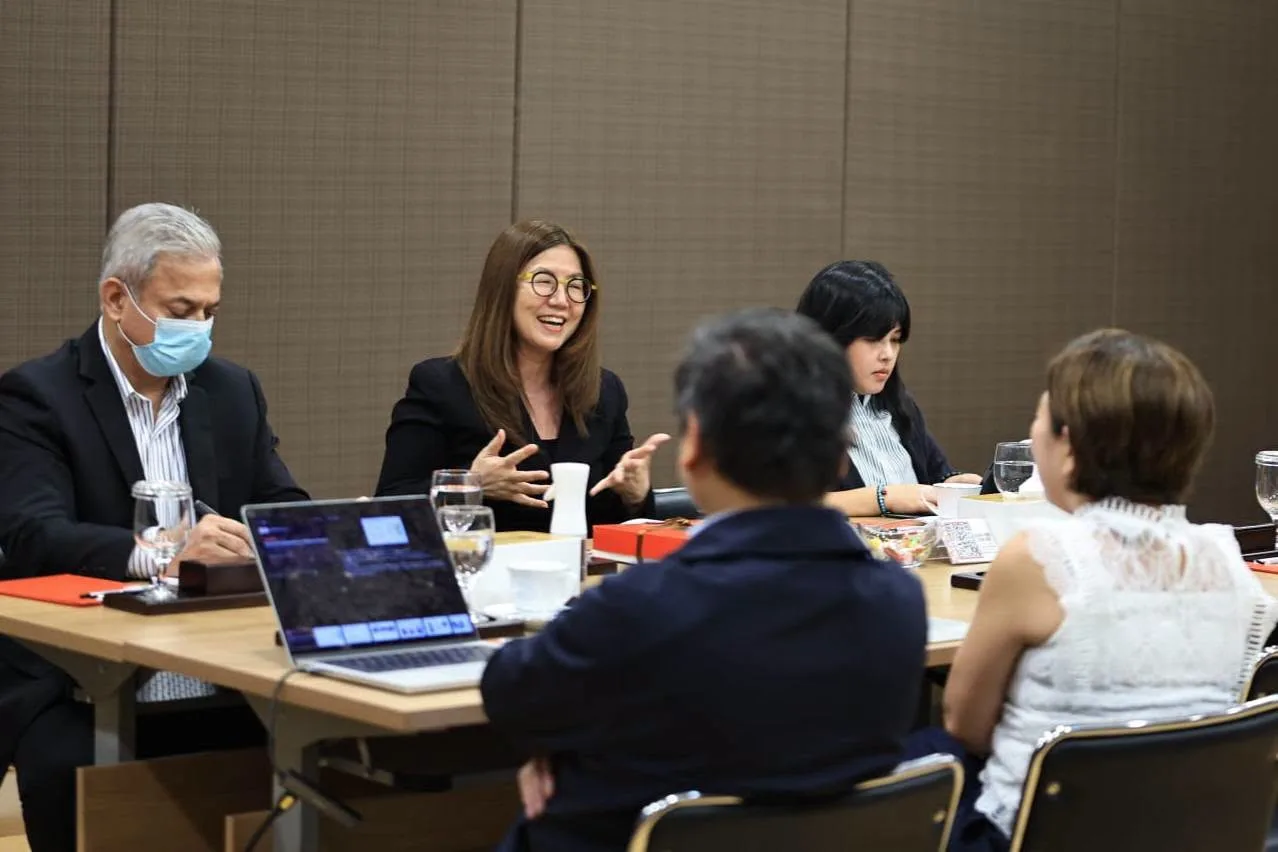
Building a safer and more resilient city requires preparation, coordination, and partnerships. In Taguig, city officials recently welcomed Asian Development Bank (ADB) Vice President Ms. H.K. Yu and her team for an important discussion focused on strengthening disaster preparedness and community resilience. The meeting highlighted the importance of planning ahead for emergencies and identifying ways to further improve how the city protects its communities.
Preparing Taguig for Future Emergencies
A key focus of the discussion was Taguig's earthquake resilience and response protocols, including operational preparedness, emergency planning, and resource mobilization for a possible major seismic event. The presentation included a Magnitude 7.2 fault scenario in Metro Manila, reflecting the importance of preparing for large-scale emergencies that could affect communities, infrastructure, and essential services. For a highly urbanized city, disaster preparedness involves more than responding after an emergency happens. It also includes planning, coordination, training, communication, and ensuring that resources can be mobilized when they are needed.
Why Partnerships Matter in Disaster Resilience
The dialogue with ADB also highlights the role that partnerships can play in strengthening disaster risk management. ADB's Disaster Risk Management Action Plan 2024–2030 promotes a holistic approach that includes risk-informed planning, investments in disaster risk reduction, disaster preparedness, financing, and resilient recovery. It also emphasizes partnerships among governments, the private sector, civil society, and development organizations. For the Philippines, ADB has also supported programs designed to strengthen disaster risk management policies and provide financing mechanisms that can help the government respond more quickly to disasters and support recovery. At the city level, discussions such as the Taguig-ADB exchange can help bring different perspectives together as local authorities continue reviewing their preparedness strategies.
Building a Safer and More Resilient Taguig
Disaster resilience is ultimately about protecting people and helping communities continue to function during and after emergencies. For Taguig, strengthening preparedness means continuing to examine how emergency protocols, partnerships, resources, and community protection measures can work together. It also reinforces the idea that resilience is an ongoing responsibility rather than something that is only addressed when a disaster occurs.
The city's discussion with ADB offers another opportunity to exchange knowledge and explore ways to strengthen preparedness for future emergencies. As cities continue to face different natural hazards, cooperation between local governments and organizations with disaster-risk expertise can contribute to more informed and coordinated planning.