A Heritage Landmark Surrounded by Agricultural History
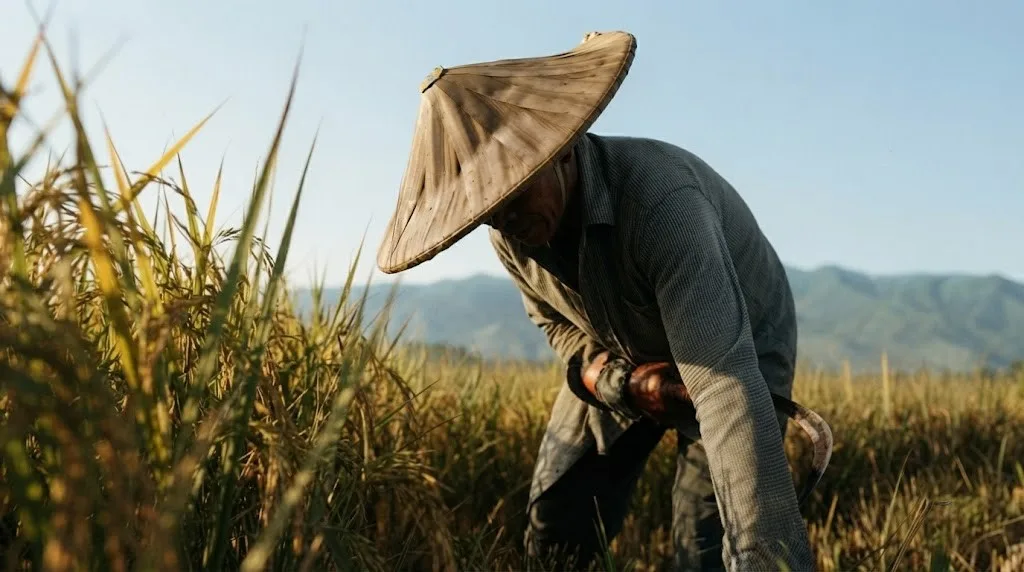
BACOLOD - Visitors are often captivated by the grand remains of The Ruins, but the landscape surrounding the mansion tells another remarkable story. For generations, sugarcane plantations have stretched across much of Talisay City and neighboring communities, becoming a defining feature of Negros Occidental. These productive fields helped shape the province's economy and continue to support thousands of farming families today. Even as tourism grows, agriculture remains an essential part of daily life in the surrounding countryside. Taking time to appreciate both the historic mansion and the nearby farmlands gives visitors a more complete understanding of the region's identity. It is a reminder that Negros' cultural heritage and agricultural heritage have evolved side by side for well over a century.
Helping Farmers Continue Their Work
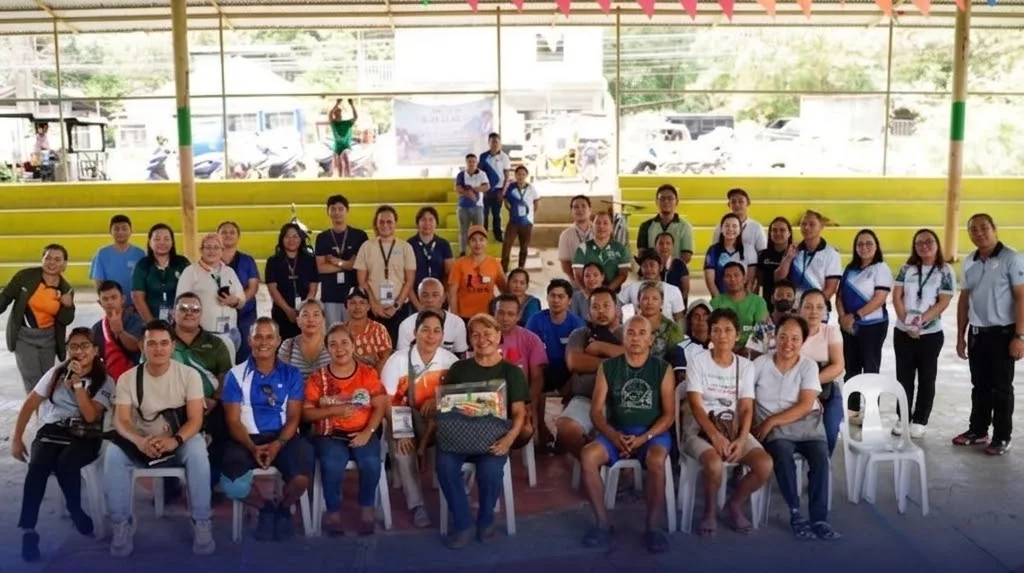
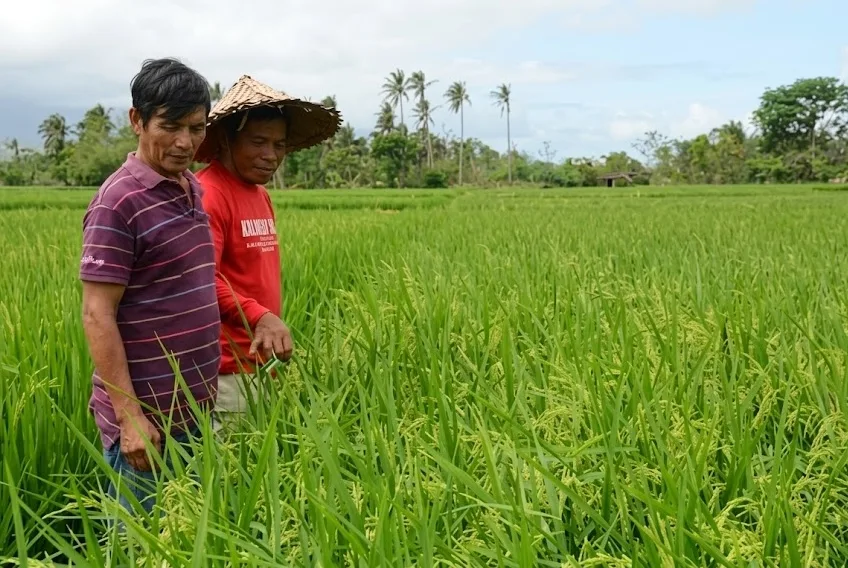
In June 2026, thousands of farmers from Bago City and the municipality of Pulupandan received financial assistance through the Presidential Assistance for Farmers and Fisherfolk (PAFF) Program. The support was intended to help agricultural producers cope with higher fuel prices, increasing production expenses, and other challenges affecting their livelihoods. Assistance programs like these help farming communities remain productive while ensuring that agricultural activities continue across the province. Although the beneficiaries are located outside Bacolod's city proper, their contributions play an important role in supplying food and agricultural products throughout Negros Occidental. Stable farming communities also benefit local businesses, markets, and food establishments that rely on a dependable supply of agricultural goods. Continued investment in farmers strengthens the province's agricultural foundation while helping rural communities remain resilient during changing economic conditions.
Agriculture Adds Depth to Every Bacolod Adventure
Many visitors come to Bacolod to enjoy its restaurants, heritage attractions, and welcoming atmosphere. Yet understanding the agricultural communities that surround the city creates a richer travel experience that goes beyond sightseeing. The vegetables, rice, sugar, and other farm products grown throughout Negros Occidental eventually find their way into restaurants, bakeries, cafés, and local markets that visitors enjoy. Every local delicacy reflects not only culinary skill but also the hard work of producers who cultivate the land throughout the year. Exploring both the province's famous attractions and its agricultural story reveals how closely tourism and farming remain connected. For travelers looking to discover the heart of Negros Occidental, appreciating its farming heritage is just as rewarding as visiting its iconic landmarks.