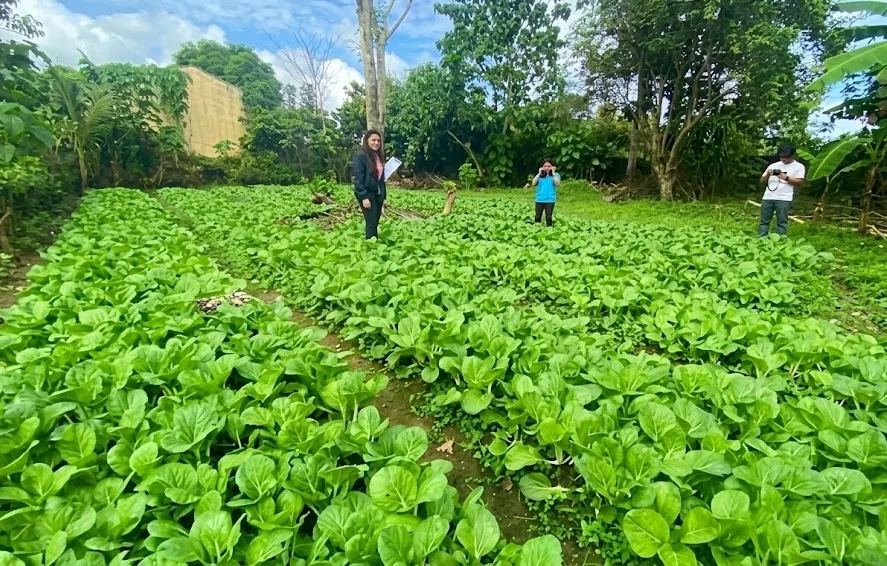
Preparing Farms for Tomorrow's Challenges
GENERAL SANTOS CITY - Modern farming requires more than experience—it also depends on adapting to changing weather conditions. The Department of Agriculture has been expanding climate-resilient practices throughout Region 12 by promoting drought-tolerant crop varieties, efficient water management, and improved farming technologies. These initiatives help farmers reduce risks associated with prolonged dry seasons while maintaining agricultural productivity. For communities connected to General Santos City's food supply chain, better farm preparation means greater stability in the availability of fresh produce and agricultural products throughout the year.
Innovation Creates More Resilient Communities
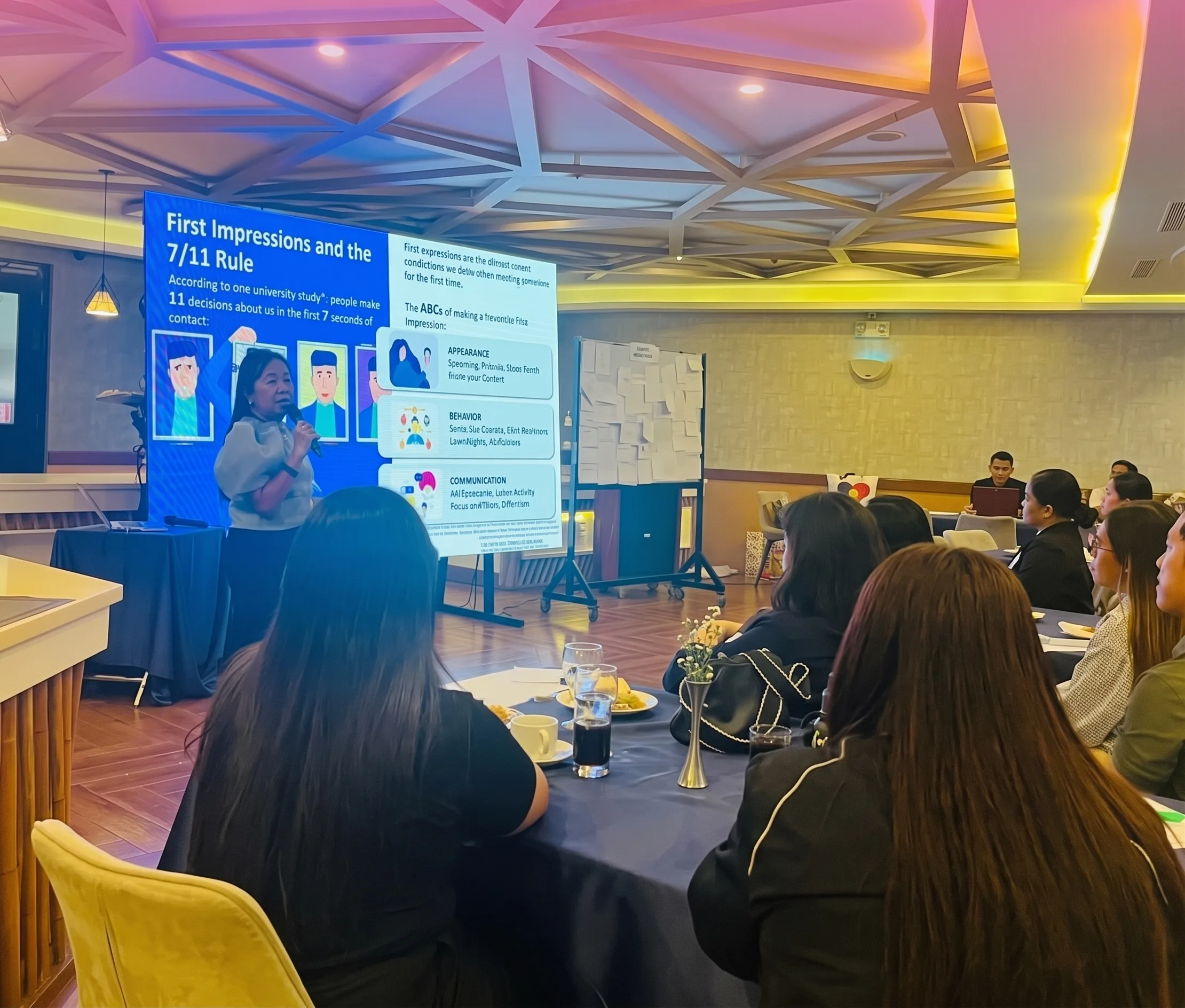
Agricultural innovation benefits far more than individual farmers. As producers adopt modern techniques, surrounding communities gain from a more dependable food supply and stronger local economies. Climate-smart farming practices also encourage efficient use of natural resources while helping producers respond to emerging environmental conditions. By combining technical assistance with practical training, government programs equip farmers with knowledge that can improve long-term productivity. These improvements strengthen rural livelihoods while supporting the agricultural sector that remains an important contributor to General Santos City's economy.
Investing in Sustainable Food Production
Building resilience in agriculture is an investment that extends beyond a single planting season. Farms capable of adapting to environmental challenges help stabilize food production, protect livelihoods, and support local businesses that depend on agricultural products. General Santos City's continued connection to regional farming communities makes these initiatives especially valuable for consumers and entrepreneurs alike. As climate-ready agriculture becomes increasingly important, today's investments in farmer education and sustainable technologies are helping create a stronger foundation for future economic and food security.