


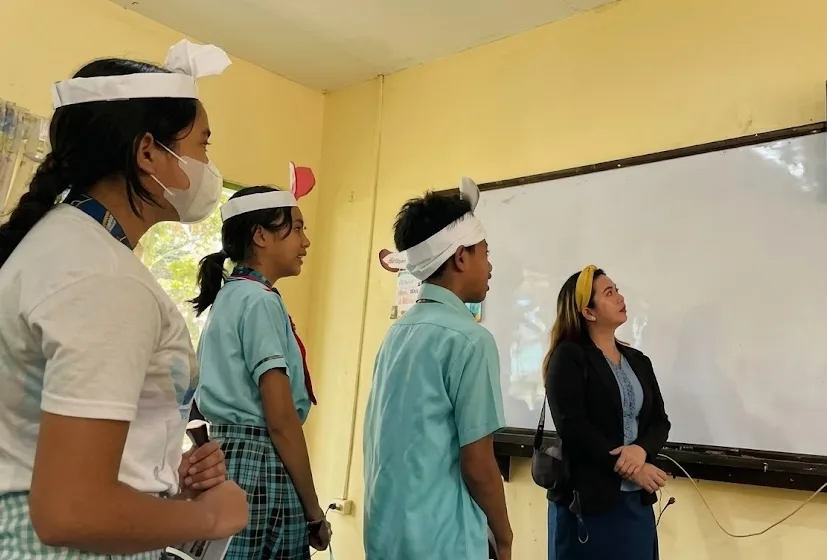
Learning Rights Through Everyday Experiences
GENERAL SANTOS CITY - Human rights education extends beyond understanding laws and policies. It encourages students to recognize fairness, respect, empathy, and shared responsibility in their daily interactions. Through lectures, discussions, research projects, and outreach activities, learners develop a deeper appreciation of how individual rights connect with community well-being. These experiences strengthen critical thinking while encouraging constructive dialogue among people from different backgrounds. By introducing these ideas within an academic setting, the new education center provides opportunities for students to become thoughtful citizens capable of contributing positively to society.
Creating a Campus That Encourages Dialogue
Universities and colleges serve as important spaces where ideas are exchanged and perspectives are explored. The Center for Human Rights Education supports this role by encouraging collaborative learning among students, faculty members, and community organizations. Research initiatives, educational forums, and public discussions help participants examine contemporary issues through respectful conversation and evidence-based understanding. These activities promote an academic culture where diversity of opinion is welcomed while emphasizing mutual respect. Such learning environments prepare graduates to navigate increasingly diverse workplaces and communities with confidence and responsibility.
An Investment That Reaches Beyond the Classroom
The benefits of civic education extend far beyond school campuses. Graduates who understand the value of inclusion, ethical leadership, and community participation often carry those principles into government, business, education, healthcare, and civil society. By supporting long-term human rights education, General Santos City contributes to developing future professionals who appreciate both individual dignity and collective responsibility. Initiatives like the CHRE demonstrate how educational institutions can strengthen communities by encouraging informed participation, respectful dialogue, and a culture that values understanding alongside academic excellence.
