The Questions People Rarely Ask Until They Need Answers
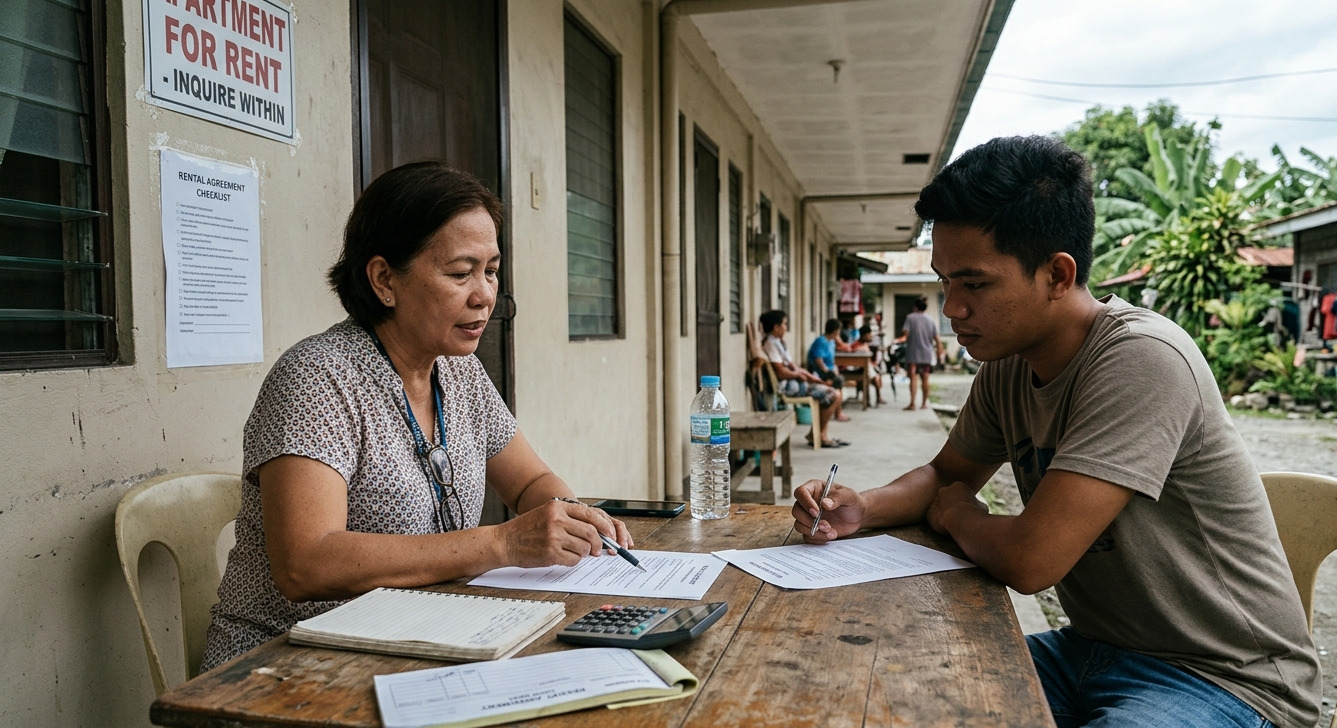
Many legal issues begin with simple misunderstandings. A property boundary disagreement, an unsigned agreement, or confusion about government procedures can quickly grow into larger problems. Across communities, legal information campaigns and public consultations help bridge this knowledge gap. Their purpose is not to create experts in law but to provide citizens with enough understanding to make informed decisions. The value of these conversations lies in prevention. People who know where to seek guidance often avoid costly mistakes and are better prepared when unexpected situations arise in daily life.
Rights, Responsibilities, and Everyday Life
Legal education is often discussed in schools and professional settings, but its practical value reaches far beyond those environments. Residents encounter laws through employment, transportation, family matters, and public services. Understanding both rights and responsibilities encourages more productive interactions between citizens and institutions. This perspective shifts legal awareness away from conflict and toward empowerment. Rather than viewing the law as something that appears only during disputes, communities increasingly recognize it as a framework that helps people manage ordinary responsibilities with greater confidence and clarity.
Building Trust Through Understanding
Communities function best when citizens understand the systems around them. Legal awareness contributes to trust because it reduces uncertainty and encourages participation. People are more likely to engage with public institutions when procedures are transparent and accessible. In Ozamiz, conversations about civic responsibility and legal understanding continue to highlight the importance of informed citizenship. These efforts may not generate dramatic headlines, but their long-term impact is significant because they help create communities where knowledge replaces confusion and cooperation becomes easier to achieve.