The City’s Loudest Morning Alarm
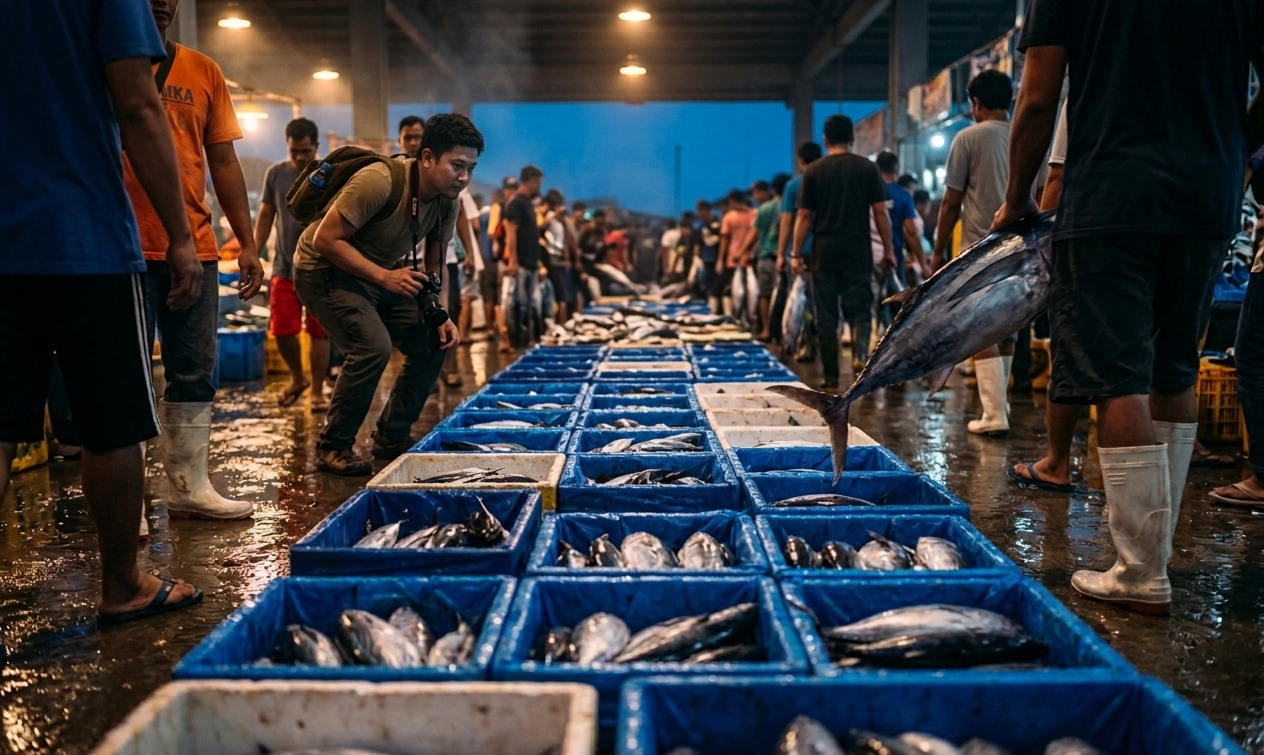
At around five in the morning, the docks are already packed with workers unloading freshly caught tuna while buyers inspect each fish with practiced precision. Visitors who expect a quiet market are usually surprised by the speed of everything happening around them. Boots splash through wet concrete floors, styrofoam boxes move from one side to another, and huge yellowfin tuna are lined up like trophies waiting for auction. The entire scene feels more like a live performance than a typical seafood terminal. For first-time tourists, it instantly explains why the city earned the title “Tuna Capital of the Philippines.”
More Than a Tourist Stop
The Fish Port is not just for sightseeing because it also reflects how deeply seafood shapes the everyday rhythm of GenSan life. Fishermen, vendors, traders, and transport workers all depend on the movement happening inside the port each day. Recent discussions surrounding rising fuel prices affecting fishing operations have also made visitors more aware of how difficult the industry can be behind the scenes. Instead of romanticizing the trade, the experience now gives travelers a more grounded understanding of the people who keep the industry alive.
Why Visitors Still Keep Coming Back
Even with modern cafés, resorts, and malls appearing across the city, the Fish Port still feels uniquely tied to General Santos itself. Tourists often pair their visit with nearby seafood eateries serving grilled tuna belly, kinilaw, and tuna panga just hours after unloading. Some visitors even describe the port as the closest thing GenSan has to an open-air theater. It is loud, messy, fast-paced, and impossible to fake. That authenticity is exactly what keeps the place memorable long after the trip ends.