
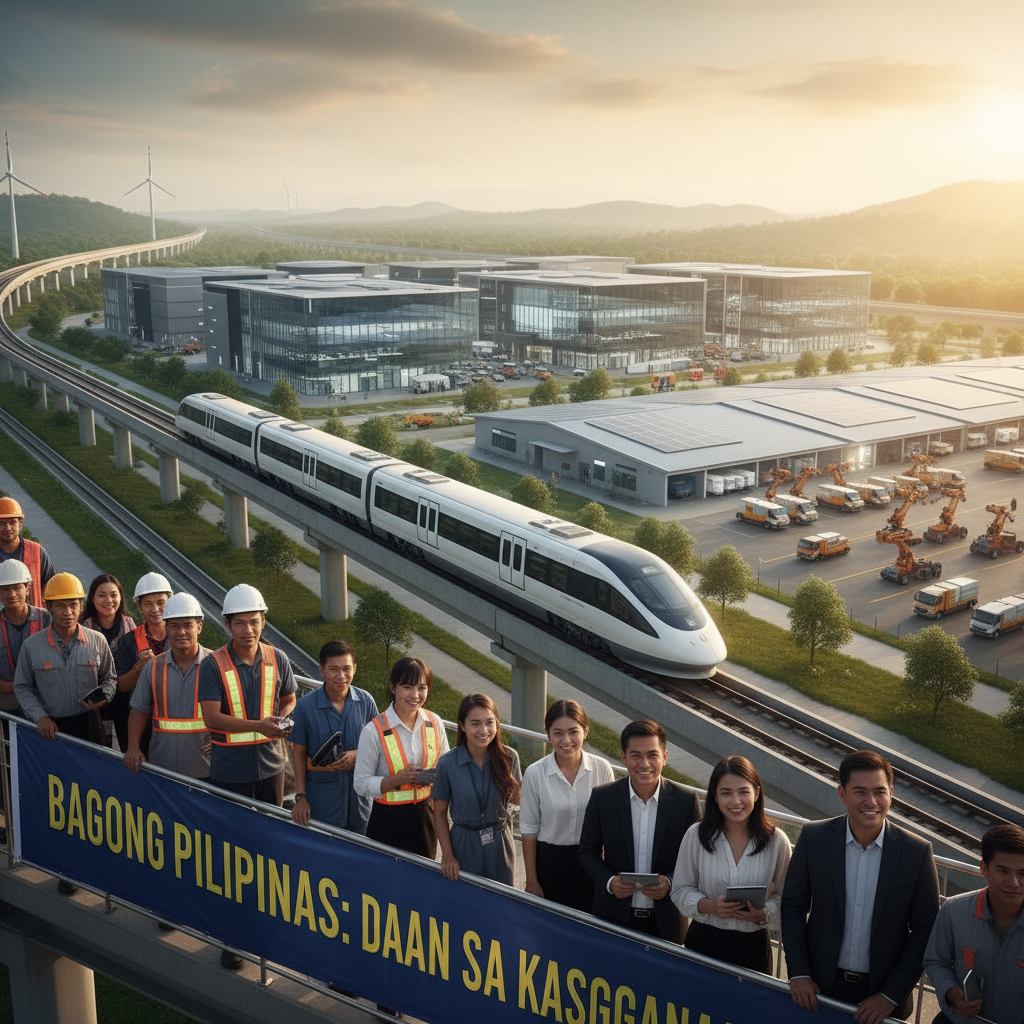
Seven nations have reportedly joined the ambitious Luzon Economic Corridor project, an initiative poised to reshape the economic landscape of the Philippines. While specific details regarding the participating countries and the exact scope of their involvement remain to be fully disclosed, this development underscores a growing international confidence in the Philippines' economic potential, particularly within its largest island, Luzon.
Leveraging International Expertise for Infrastructure
An economic corridor typically involves a concentrated effort to develop infrastructure, facilitate trade, and attract investment along a defined geographical area. For the Philippines, this could translate into significant upgrades in transportation networks, energy infrastructure, and industrial zones. The involvement of multiple international partners suggests a collaborative approach aimed at leveraging diverse expertise and capital to accelerate the project's realization. This collective endeavor is expected to enhance connectivity, streamline supply chains, and foster an environment conducive to business expansion across Luzon.
Job Creation and Foreign Direct Investment
The Luzon Economic Corridor project carries profound implications for the national economy and the everyday lives of Filipinos. Such large-scale developments are often catalysts for substantial job creation, spanning various sectors from construction and engineering to logistics, manufacturing, and services. Increased foreign direct investment, a key component of economic corridors, could lead to the establishment of new businesses and industries, diversifying the national economy and reducing reliance on specific sectors. For the Philippines, this means a potential surge in domestic employment opportunities, which could provide more options for skilled and unskilled workers alike. A robust domestic economy also strengthens the peso and improves the overall financial stability for families, including those who rely on remittances from overseas Filipino workers (OFWs).
Strategic Upskilling for an Interconnected Philippines
For Filipinos, both at home and abroad, this development signals a future with potentially more robust economic opportunities within the country. OFWs and their families should closely monitor the progress of this corridor, as it could open doors for returning workers or provide a more stable economic environment for those remaining in the Philippines. The growth of new industries and infrastructure projects will likely create a demand for specific skills. Therefore, investing in education and skills training relevant to these emerging sectors could be a strategic move for individuals looking to capitalize on future employment prospects. While the full impact will unfold over time, the Luzon Economic Corridor represents a significant step towards a more interconnected and economically dynamic Philippines, benefiting its citizens through enhanced trade, investment, and employment.