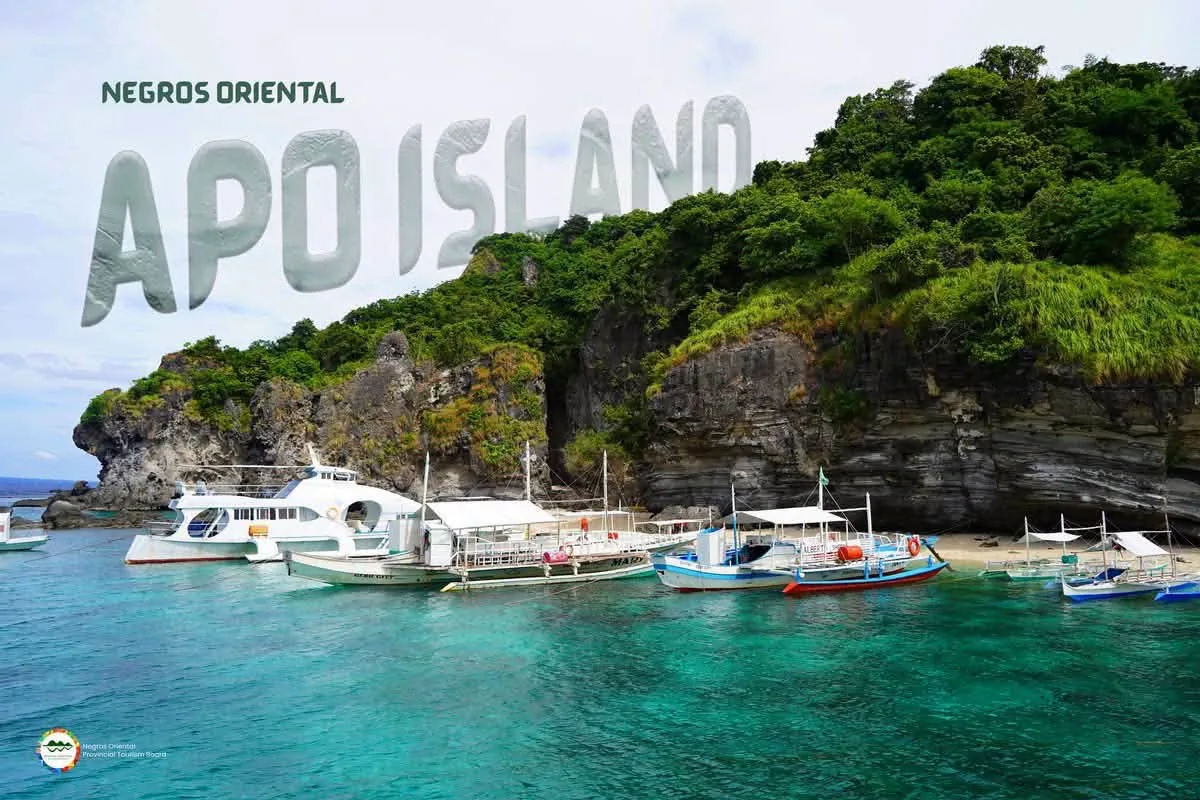
DUMAGUETE CITY — Just off the coast of Dauin, Apo Island rises from the Mindoro Strait as one of the Philippines' most celebrated marine sanctuaries. Spanning 72 hectares of volcanic terrain surrounded by over 600 hectares of protected reef, this small island offers travelers an immersive retreat into raw natural beauty and genuine community hospitality.
A Global Model for Marine Conservation
What sets Apo Island apart is its pioneering role in ocean conservation. In 1982, marine scientists from Silliman University partnered with local fisherfolk to establish a marine sanctuary along the island's southern shore. This no-take zone allowed fish stocks to recover, and the surrounding reefs flourished with vibrant coral growth.
Today, the entire island operates as a protected marine reserve governed by local stewards. This community-managed model has become a global benchmark, proving that sustainable fishing and eco-tourism can coexist. Visitors directly contribute to conservation through sanctuary fees that fund island projects and environmental monitoring.
Swimming with Gentle Sea Turtles
The crown jewel of any Apo Island visit is the chance to swim beside resident sea turtles. Just steps from the pebbled shoreline, shallow waters host permanent populations of Green Turtles and Hawksbill Turtles. Decades of protection have made these creatures remarkably trusting toward humans.
Trained local guides accompany swimmers, ensuring safety and enforcing strict conservation etiquette. Touching, chasing, or feeding marine life is prohibited. Guide fees support island families and community initiatives, making every snorkeling experience a direct contribution to local livelihoods. For families and non-divers, this shallow-water encounter remains unforgettable.
World-Class Diving Adventures
For scuba divers, Apo Island is a legendary underwater playground. Over 400 coral species and 650 fish species thrive in its waters. Dive operators from Dauin and the island itself run daily excursions to famous sites.
Chapel Reef features a slope transitioning into a sheer wall dropping past 30 meters, where sea fans and clownfish abound. Coconut Point, known locally as "The Tiera," offers exhilarating drift dives with pelagic species like trevallies and jacks. Rock Point showcases towering coral formations and sea snakes, while Mamsa Point hosts swirling schools of bigeye jacks. September visibility ranges from 15 to 25 meters.
Trekking and Island Living
Beyond the ocean, Apo Island's volcanic hills offer rewarding treks. A stone trail leads from the village to the lighthouse on the northern crest, opening to 360-degree views of the Visayan Sea. Siquijor Island glimmers to the east, while Mount Talinis rises to the west.
Life here moves at an unhurried pace. Electricity runs on community generators during evening hours, encouraging guests to unplug. The night sky blazes with constellations unobscured by city lights. Village lanes offer hand-woven mats and crafts from local women's associations, while eateries serve fresh kinilaw and home-style Filipino dishes.
Planning Your September 2026 Visit
Reaching Apo Island is straightforward. Fly into Sibulan Airport in Dumaguete City, then travel 30 minutes south to Malatapay Port in Zamboanguita. Outrigger boats cross to the island in 30 to 45 minutes. Day trips are available, but overnight stays reveal the island's serene mornings and starlit evenings.
Visitors register at the Barangay Hall and pay a marine sanctuary fee. Bring cash, reef-safe sunscreen, and a reusable water bottle. Apo Island delivers a rare blend of ecological triumph and warm Visayan hospitality, promising an unforgettable tropical journey.