A School Safety Program With Students at the Center
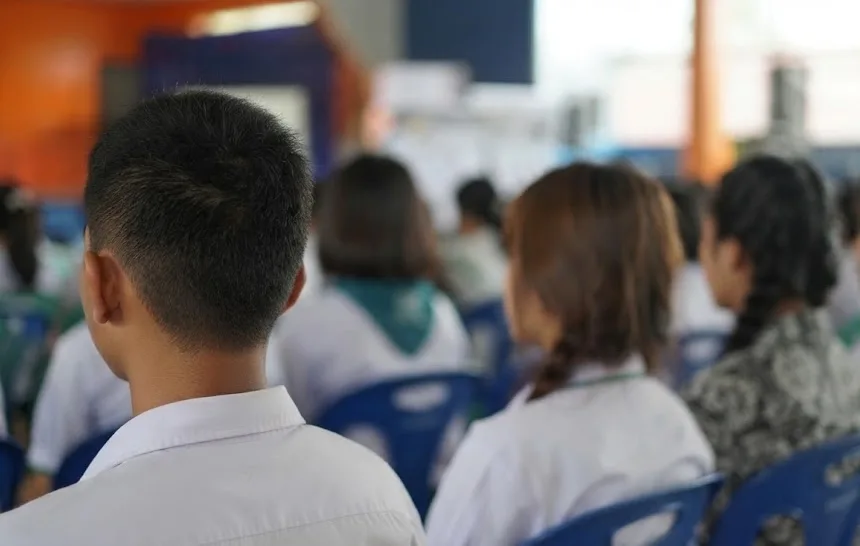
OZAMIZ CITY - The launch at Ozamiz City National High School places students in a role that goes beyond simply following school rules. According to the August 20, 2026 information supplied in the referenced Ozamiz City post, hundreds of learners took their oath as Batang Pulis during the program’s launch. OCNHS is identified as the pilot school for the initiative within the Division of Ozamiz City, with the Philippine National Police, DepEd–Division of Ozamiz, and City Government of Ozamiz working together. Rather than presenting young people only as recipients of protection, the program encourages them to become observant, responsible members of their school community who can help promote positive behavior among their peers.
Teaching Young People What Responsible Citizenship Looks Like
The program’s focus covers practical issues students encounter inside and outside the classroom. Its stated areas include discipline, anti-bullying awareness, responsible social media use, crime prevention, and safety consciousness. It also encourages learners to report situations that could place fellow students at risk. That approach gives the initiative an educational dimension: students are being reminded that speaking up about a concern can be an act of responsibility rather than simply an act of reporting. The pinning ceremony and commitment signing likewise give the program a visible symbol, but its greater value lies in the habits students develop afterward—looking after classmates, thinking carefully online, and knowing when adults need to be informed.
A Shared Effort When Safety Matters to Everyone
The Ozamiz initiative arrives during a period when school security has received heightened national attention. Following the June 2026 shooting at San Jose National High School in Tacloban City, the PNP discussed intensified school patrols and coordination with communities, while DepEd reviewed school security measures. The national response also highlighted that police presence alone cannot cover every school, making cooperation with communities important. In that setting, Ozamiz’s student-centered program offers another way to think about prevention: schools can cultivate safety awareness among learners while police, teachers, parents, government offices, and other stakeholders provide the guidance and support young people need.