Five Basic Rights That Shape a Better Future
OZAMIZ CITY - Poverty is not measured by income alone; it can also be seen in the difficulty families face when accessing nutritious food, stable employment, safe housing, education, and healthcare. These five fundamental areas are central to the Magna Carta of the Poor, or Republic Act No. 11291, which provides a legal framework for improving the living conditions of disadvantaged Filipinos. By using these rights as a guide, Ozamiz can frame its poverty reduction planning around essential needs rather than treating poverty as a single problem. The approach also offers a way to examine how different public services can work together to address the challenges faced by vulnerable households.
Turning Community Needs Into a Three-Year Plan
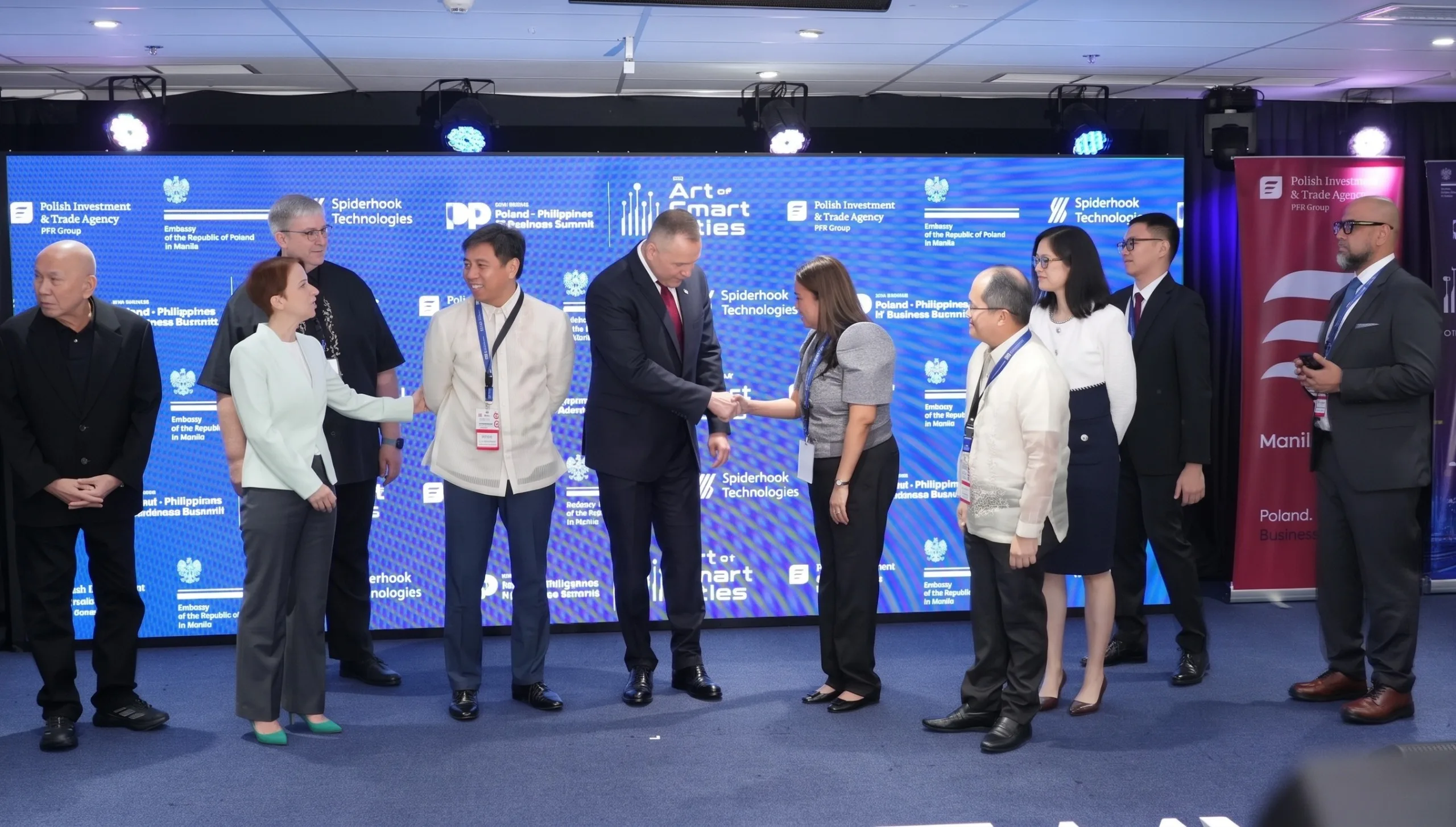
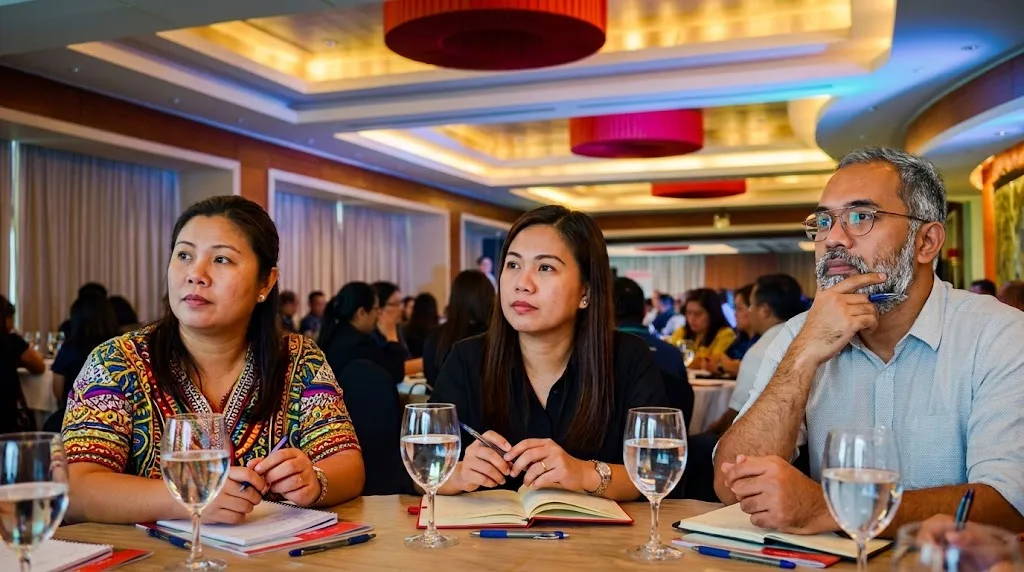
The October 7–9 workshop brought together government offices, national agencies, and civil society organizations to formulate the city's Local Poverty Reduction Action Plan for 2027–2029. NAPC provided technical assistance, while the participation of different sectors created an opportunity to bring varied perspectives into the planning process. The workshop's focus was to align proposed programs and projects with the actual needs of vulnerable groups, making the planning stage an important part of deciding which concerns require attention. The resulting plan is intended to guide poverty reduction efforts over three years, although its specific projects, funding allocations, and implementation outcomes should be confirmed through subsequent official announcements.
Why Practical Planning Matters to Ordinary Families
For households dealing with limited income or difficulty accessing basic services, well-targeted public programs can make a meaningful difference when they are implemented effectively. A plan that considers food, work, schooling, housing, and health together can help identify where support is needed and where gaps in existing services may remain. The involvement of civil society organizations is also relevant because community-based groups can contribute perspectives on the concerns of the people they represent. As Ozamiz develops its 2027–2029 poverty reduction roadmap, the important measure will be how well the priorities identified during planning translate into accessible services and tangible benefits for residents.