Preparedness Begins Before Emergencies
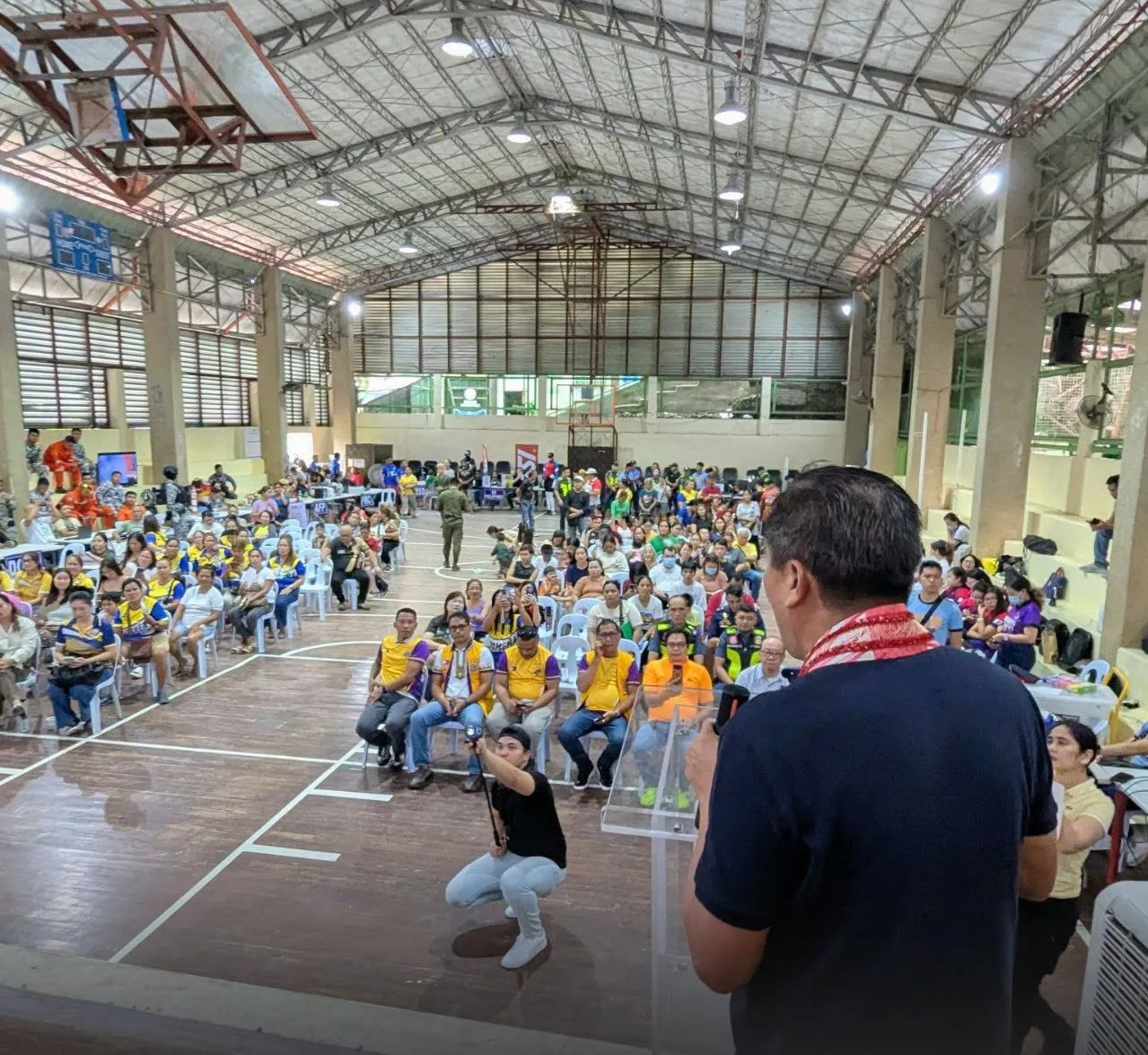
OZAMIZ CITY - Disaster preparedness is most effective when schools plan before emergencies occur. Through DRRM activities, educators and school personnel review safety procedures, evacuation plans, communication systems, and emergency response protocols. Regular planning helps schools identify potential risks while ensuring that students understand appropriate actions during earthquakes, severe weather, or other emergencies. These preparations reduce confusion during critical situations and encourage a more organized response. Strong planning demonstrates that protecting learners is an essential part of delivering quality education.
Teaching Practical Skills for Everyday Life
Disaster education offers lessons that extend beyond school campuses. Students learn situational awareness, teamwork, leadership, and calm decision-making—skills that remain valuable throughout life. Emergency drills also help families become more aware of preparedness measures they can practice at home. By participating in these activities, learners gain confidence while understanding the importance of personal responsibility during emergencies. Practical preparedness education creates individuals who are better equipped to respond safely and assist others when unexpected situations arise.
Building More Resilient Communities
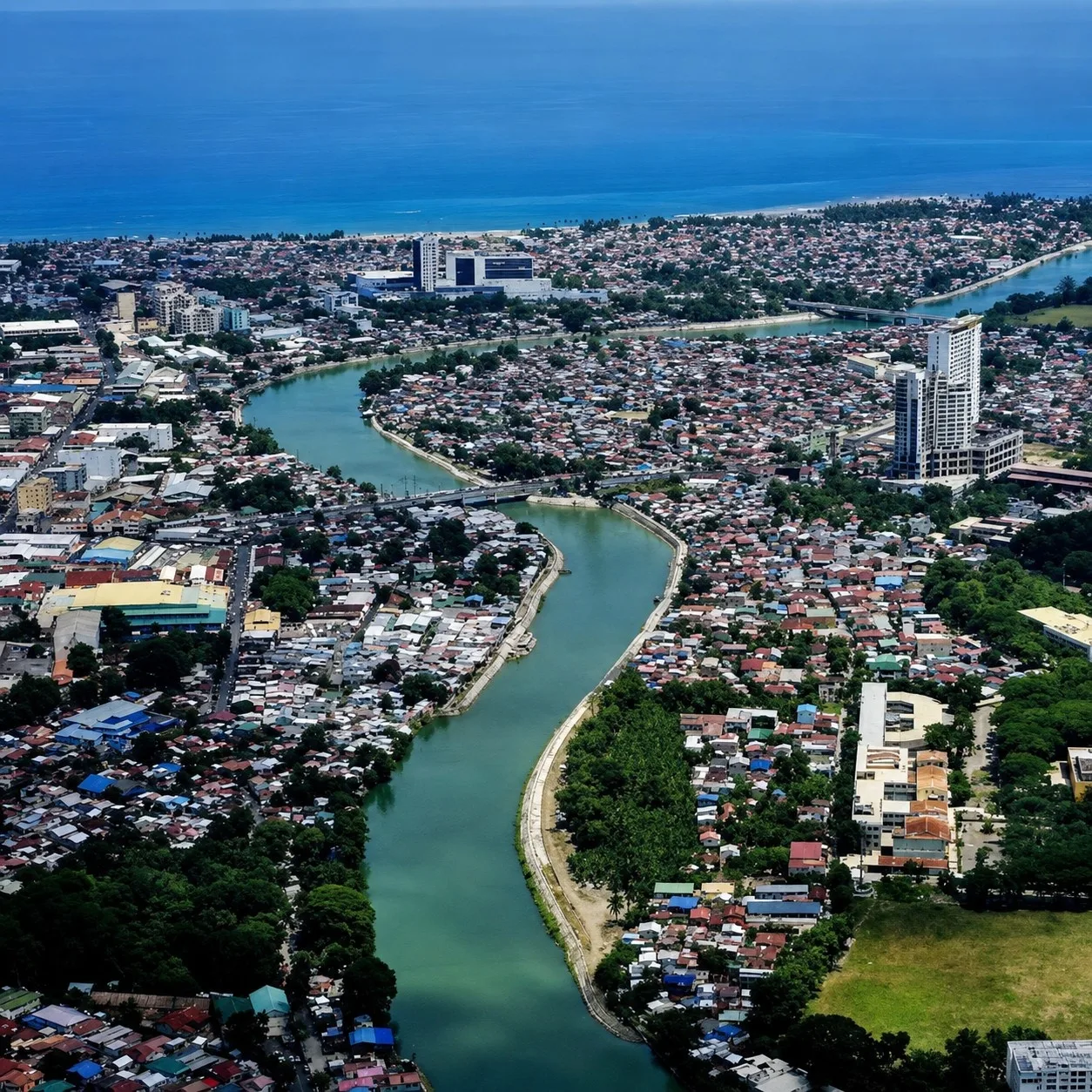
Schools play an important role in strengthening community resilience because knowledge shared inside classrooms often reaches households throughout the city. Teachers, students, and parents all contribute to promoting safety awareness and preparedness. Continued investment in school resilience helps ensure that educational activities can continue with minimal disruption following emergencies. As Ozamiz City strengthens its DRRM programs within schools, it is also investing in a generation that values preparedness, cooperation, and community responsibility as essential parts of everyday life.