Building a Clearer Picture of Water and Sanitation Needs
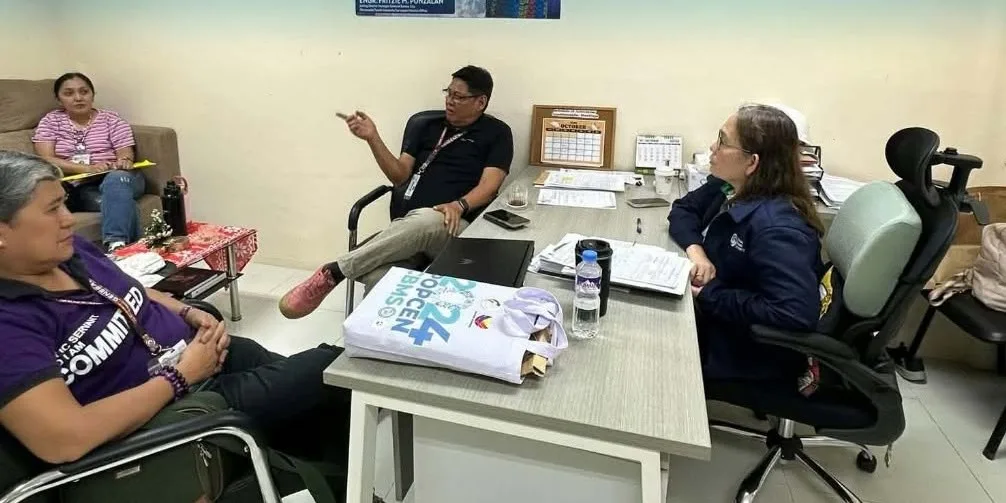
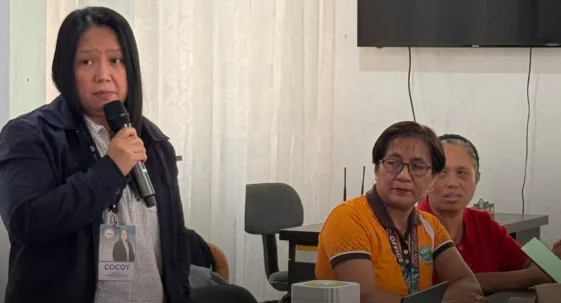
OZAMIZ CITY- A Municipal Water Supply and Sanitation Master Plan serves as a framework for understanding existing services, identifying gaps, and determining what improvements a municipality may need. Through its assistance to DILG Region X, DILG Misamis Occidental is supporting the planning process for Don Victoriano’s water and sanitation priorities. This work is important because effective planning depends on reliable baseline information and a clear assessment of community needs. The plan can help organize potential interventions and guide decisions on water supply and sanitation investments. However, the specific findings and proposed projects for Don Victoriano should be confirmed through the municipality’s official plan or a detailed agency report.
Connecting Technical Guidance With Local Planning
Developing a useful master plan involves more than listing infrastructure needs. DILG’s water and sanitation planning framework includes assessing existing conditions, identifying service gaps, and determining appropriate investment priorities. These steps help local government units connect water and sanitation objectives with broader development plans. For Don Victoriano, technical assistance provides a way to strengthen the planning process and work toward a more systematic approach to public services. The assistance itself should not be taken as confirmation that new water facilities have already been funded or constructed.
Why the Master Plan Matters to Communities
Access to safe water, adequate sanitation, and proper hygiene is closely linked to public health and everyday living conditions. A well-prepared MWSSMP can help a municipality establish priorities, assess resource requirements, and identify areas where services need attention. DILG’s broader water and sanitation planning initiatives emphasize the role of local governments in preparing plans that respond to these needs. For residents of Don Victoriano, the practical value of the initiative will depend on how the completed plan translates into approved projects, funding, and service improvements. The next important details to verify are the plan’s completion status, identified priorities, and implementation schedule.