When Old Fabric Gets a Second Job
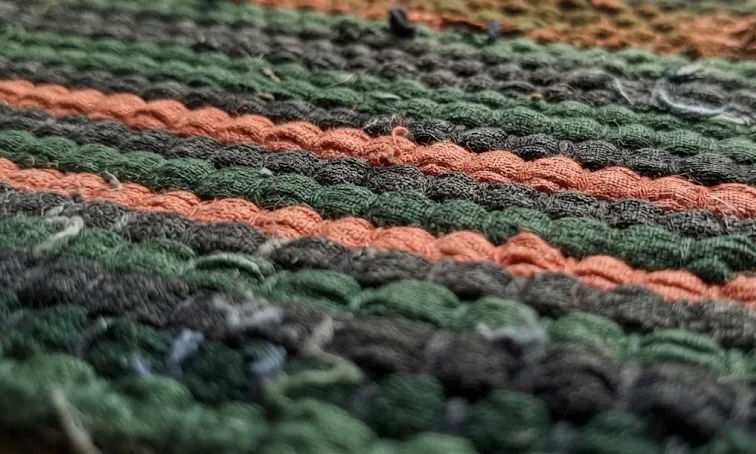
OZAMIZ CITY - Rag making may be one of the simplest forms of recycling because it does not require complicated equipment or an entirely new material. Old cotton shirts, towels, and other suitable fabric can be cleaned, separated, cut, and repurposed for household wiping and cleaning. A 2026 Manila Bulletin report likewise highlighted old clothing as material that can be reused as rags, eco bags, pillow covers, and other household items. For Ozamiz households, this approach presents an accessible example of upcycling: something that has stopped being useful as clothing can still have value as a cleaning material. It turns disposal into another practical household use.
A Small Idea That Fits a Bigger Waste Picture
The value of rag making becomes clearer when viewed alongside Ozamiz City's 2026 waste study. All 51 barangays participated in a Waste Analysis and Characterization Study led by the Department of Environment and Natural Resources provincial office with the city's Solid Waste Environment Management Office. The activity examined the composition of waste, including recyclable, biodegradable, residual, and special materials. Its findings are intended to help inform the city's 10-year solid waste management plan. Fabric reuse can therefore be viewed as one practical household habit within the broader principle of keeping potentially useful materials away from disposal for longer.
From Household Habit to Everyday Sustainability
What makes rag making interesting is its practicality. Instead of requiring residents to adopt an expensive lifestyle change, it can begin with something already available at home: an old piece of fabric. Ozamiz's environmental activities in 2026 have also included a coastal cleanup in Barangay Carmen Annex, where volunteers collected different forms of debris and promoted responsible waste management and environmental stewardship. These efforts show different sides of the same environmental goal—reducing waste and handling discarded materials responsibly. Rag making adds another household-level option to that conversation, demonstrating how reuse can start with ordinary objects before they are considered disposable.