
Building Better Practices in Public Information
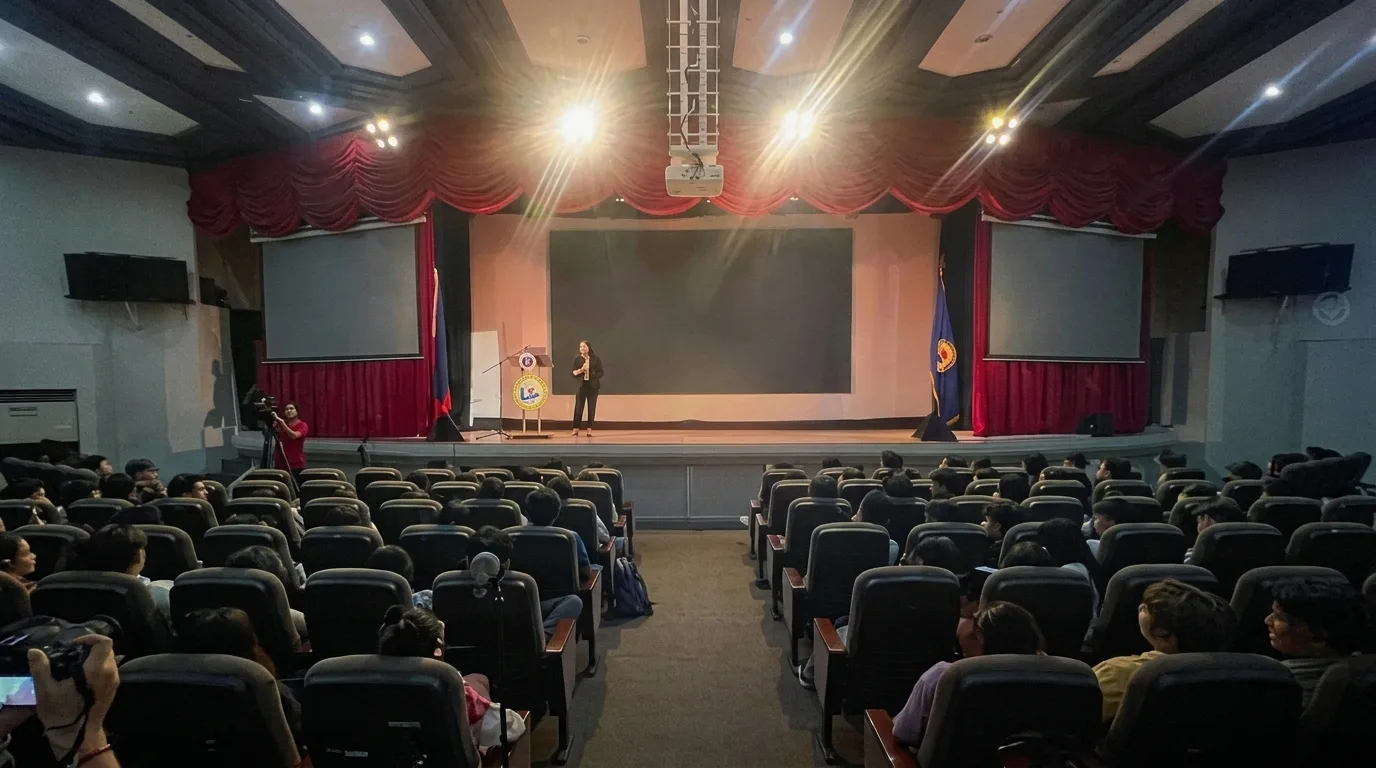
OZAMIZ CITY- The two-day learning event provided a setting for government information officers and media partners to examine their responsibilities in communicating with the public. As more residents rely on digital platforms for announcements and community updates, the quality of published information becomes increasingly important. Participants were encouraged to recognize the value of accuracy, transparency, and careful communication when preparing information for online audiences. These practices help ensure that public announcements serve as useful references rather than sources of confusion.
Making Digital Platforms More Reliable Sources
Social media has made it easier for government offices to reach residents, but it has also increased the possibility of misleading information circulating online. The Philippine Information Agency has emphasized the importance of timely announcements, transparent communication, and audience engagement among information officers in Misamis Occidental. In an August 2026 meeting of the same provincial information network in Tangub City, around 50 information officers discussed public information strategies and responsible digital communication. This earlier gathering provides additional context for the province's continuing efforts to improve the quality of government communication.
Putting Accuracy Before the Speed of Sharing
The November learning event reflects a broader need for communicators to become more careful with the information they publish and distribute. The Presidential Communications Office's FACTS.GOV.PH platform encourages the public to verify claims, examine sources, and avoid sharing unconfirmed reports. These practices are particularly important for information officers and media practitioners whose announcements can influence public understanding of government services and community concerns. By promoting responsible digital communication, the initiative supports a more informed public and a healthier relationship between information providers and the communities they serve.