Understanding the Needs of Children Under Three
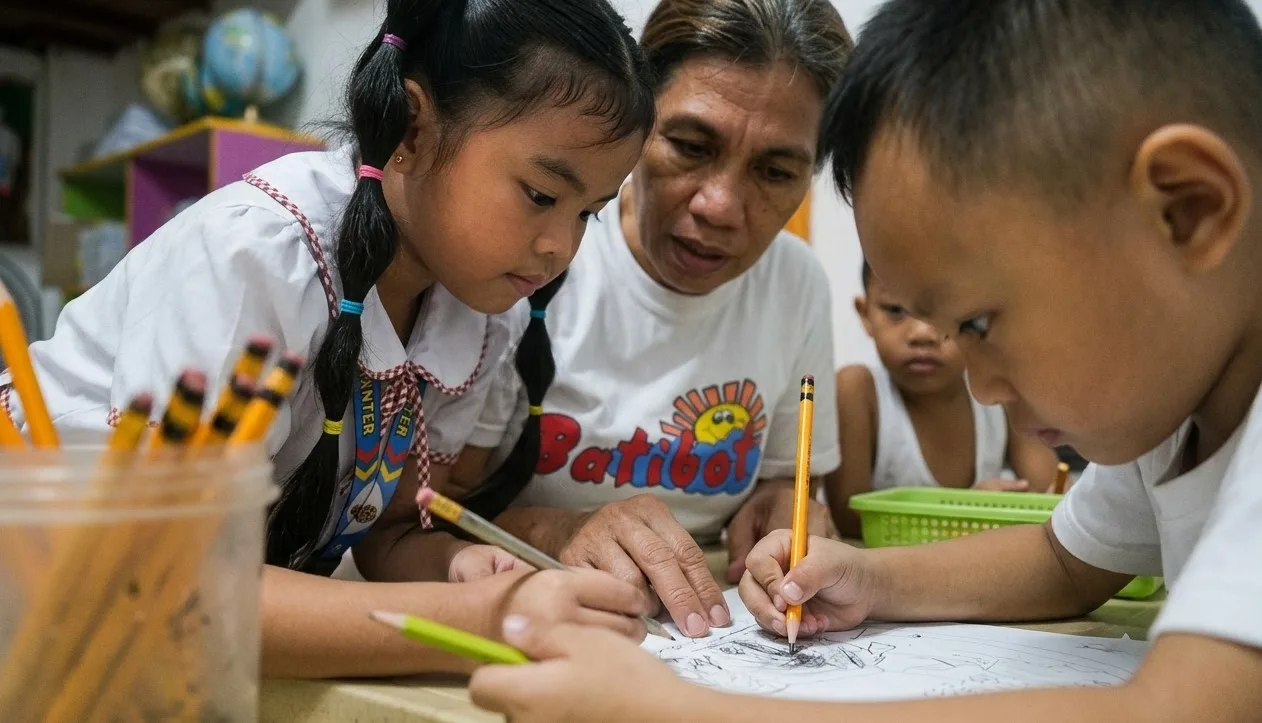
OZAMIZ CITY- The first years of life are important for developing communication, movement, social interaction, and early problem-solving skills. The ECCD Council's ITED Program serves children aged zero to two and uses learning experiences that encourage exploration and discovery in a secure environment. Rather than treating early learning as formal classroom instruction, the program emphasizes activities appropriate to infants' and toddlers' developmental needs. Parents and caregivers play a central role because they know the children best and can continue suitable learning activities at home. This approach makes early childhood development a shared responsibility between families and the professionals who support them.
Building Practical Skills Among Child Development Personnel
Capacity-building activities can help child development teachers and workers better understand how to plan appropriate learning experiences and support young children's development. The ECCD Council's national program includes training initiatives intended to strengthen the competencies of early childhood service providers. Its guidance also connects the National Early Learning Curriculum with learning resources for both the ITED Program and pre-kindergarten programs. For practitioners in Ozamiz City, applying these principles can involve preparing safe play spaces, observing developmental progress, and working closely with parents and caregivers. The specific training content and outcomes of the Ozamiz activity, however, require confirmation from the local organizers.
Connecting Learning Centers With Families
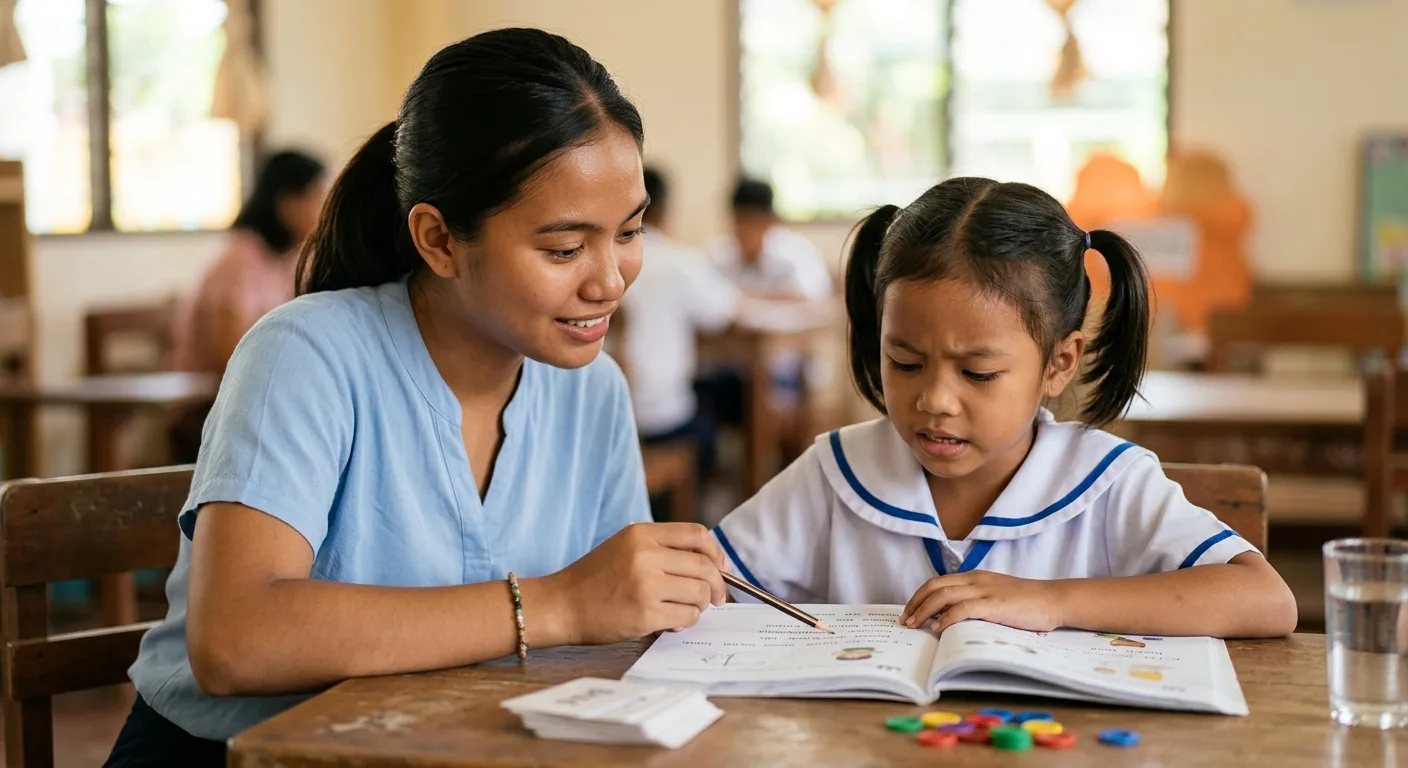
Quality early childhood services do not end when a child leaves a learning center; consistent support at home is also important. Parents and caregivers can reinforce early learning through conversation, picture books, simple play activities, songs, and everyday routines suited to a child's age and abilities. Child development workers can help families understand how these ordinary interactions contribute to learning without placing unrealistic academic expectations on very young children. The ECCD Council's guidance for School Year 2026–2027 also encourages local government units to prepare early-learning services through community mapping, parent orientation, and attention to children's health and safety. These practices provide a useful framework for early childhood programs in Ozamiz City, while local confirmation is still needed to establish what was specifically carried out during the reported capacity-building activity.