A Public Purchase With a Local Food Connection
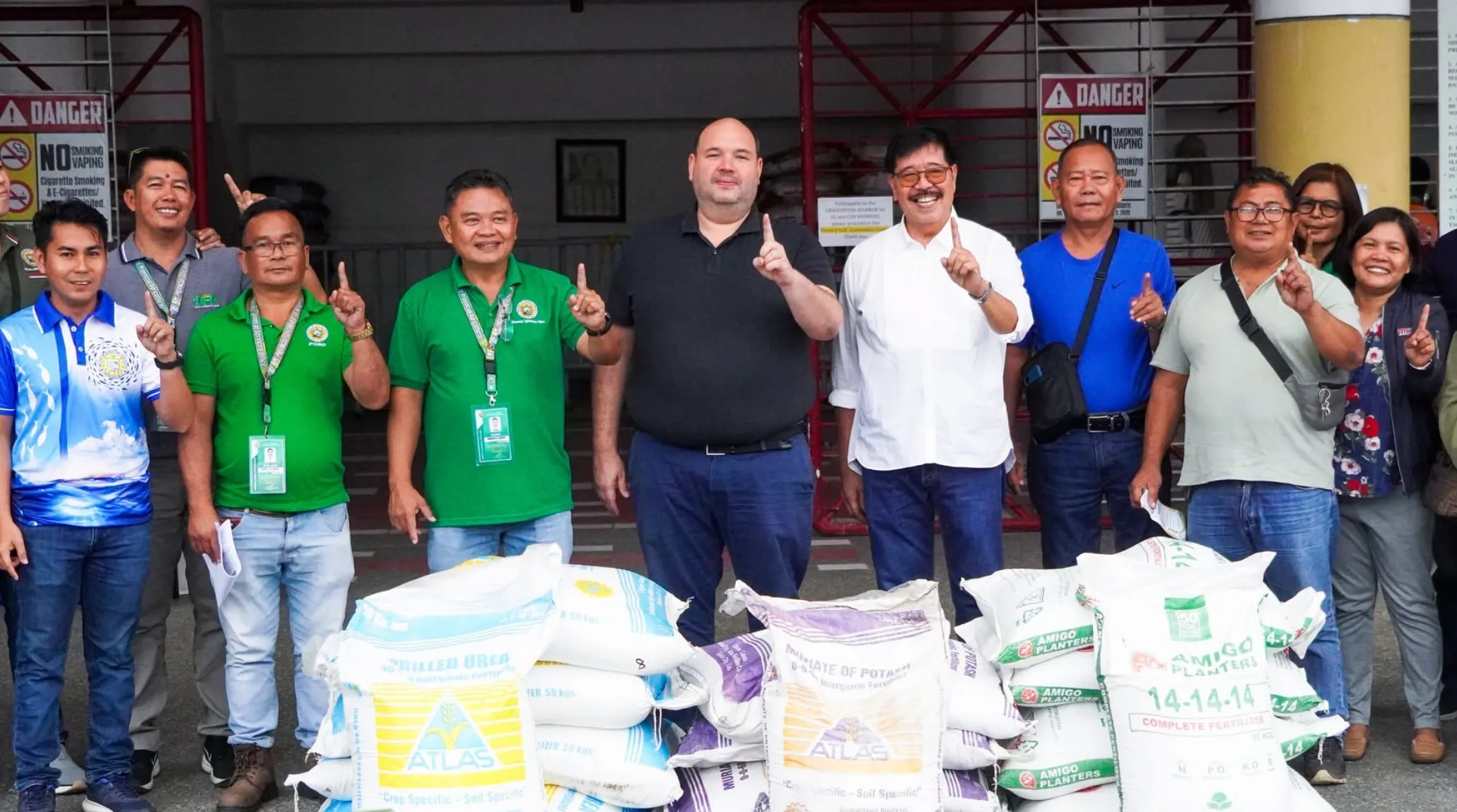
OZAMIZ CITY - The procurement notice identifies the Bureau of Jail Management and Penology Regional Office X as the procuring entity and the Ozamiz City Jail–Male Dormitory as the delivery destination. The listed purchase covers agricultural, meat, fish, and poultry products, with an approved budget of PHP287,280 and a 30-day delivery period. Because the procurement is classified under Sagip Saka, the development also connects an ordinary government food requirement with a national program intended to strengthen market access for agricultural producers. The notice does not identify the eventual supplier.
Where Government Demand Meets Agriculture
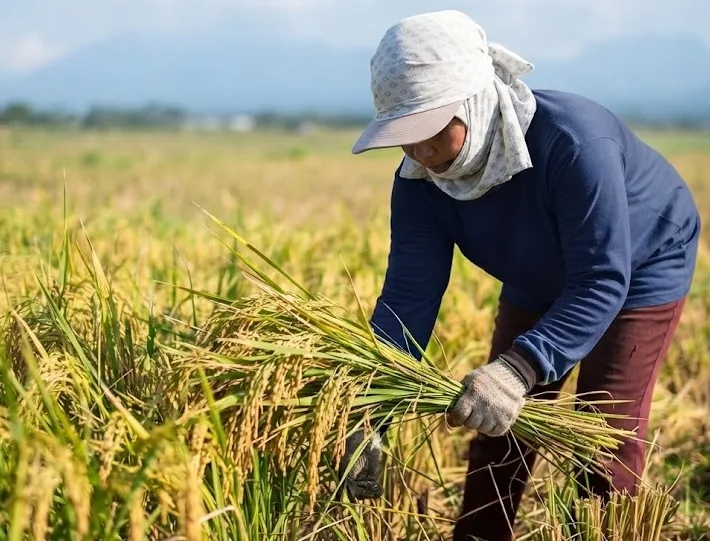
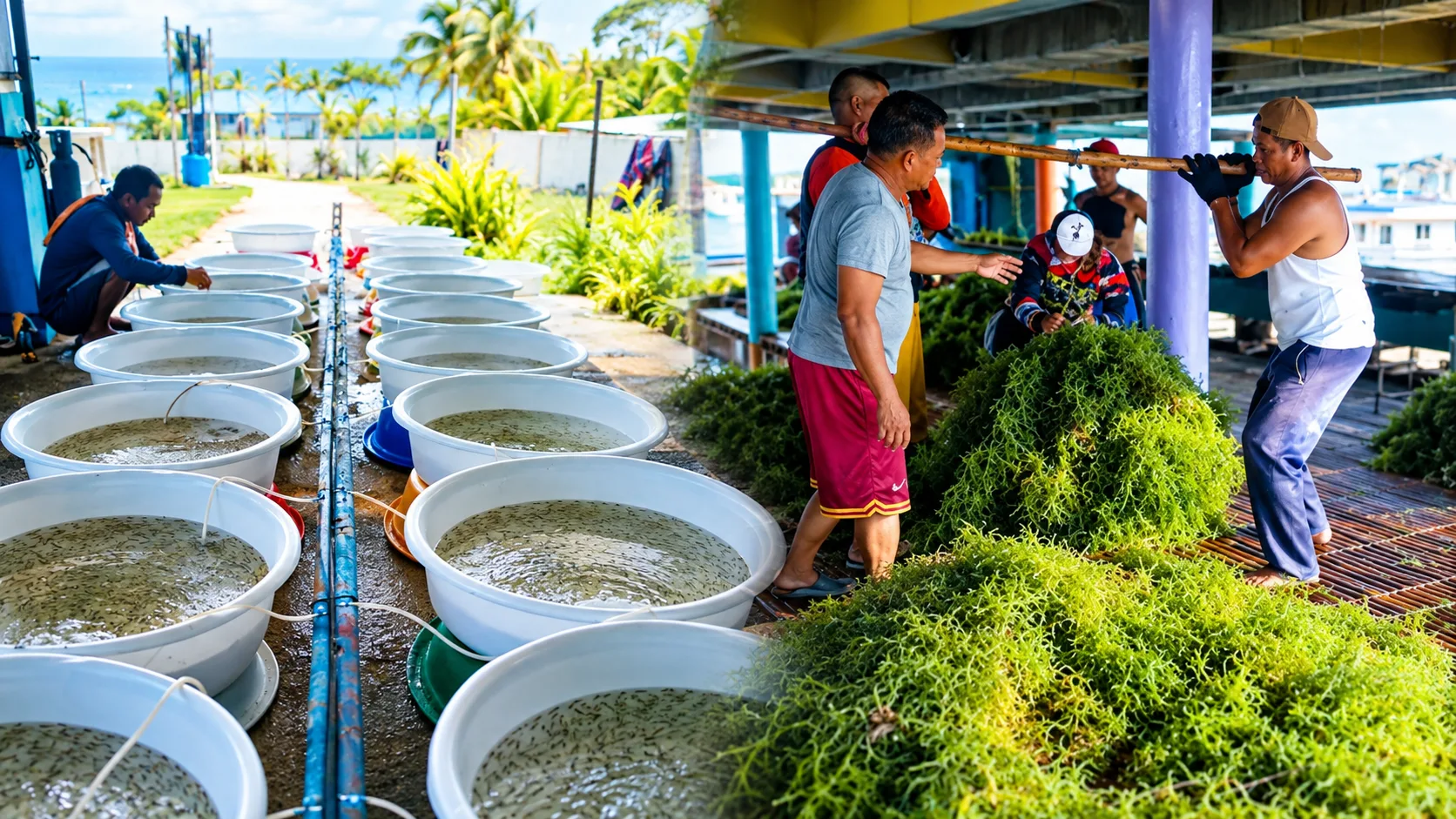
Sagip Saka provides an interesting lens for looking at government purchasing because the program is designed to help agricultural producers gain access to institutional markets. Instead of viewing food procurement only as an administrative transaction, the program creates a pathway through which government agencies can purchase agricultural goods while supporting the broader food-production chain. In this Ozamiz listing, the requested categories span several parts of that chain, from farm products to fish, meat, and poultry. The PHP287,280 allocation therefore represents more than a number on a procurement notice: it documents a specific demand for food products that must be fulfilled for a public facility in the city.
A Small Procurement With a Wider Story
The Ozamiz listing is also a reminder that economic activity can appear in places that do not usually make headlines as major investments or infrastructure projects. A government purchase has a defined buyer, a defined destination, a budget, and a delivery period, creating a concrete market requirement that suppliers can respond to. The FFEDIS notice was published on September 19, 2026, with a closing date of September 22 at 9:00 a.m., so the procurement was still at the active solicitation stage when the information was published. That makes this a current development to watch rather than a claim of completed economic impact—and gives Ozamiz another fresh story about the connection between food supply and public service.