Five Hundred Seedlings, One Shared Effort
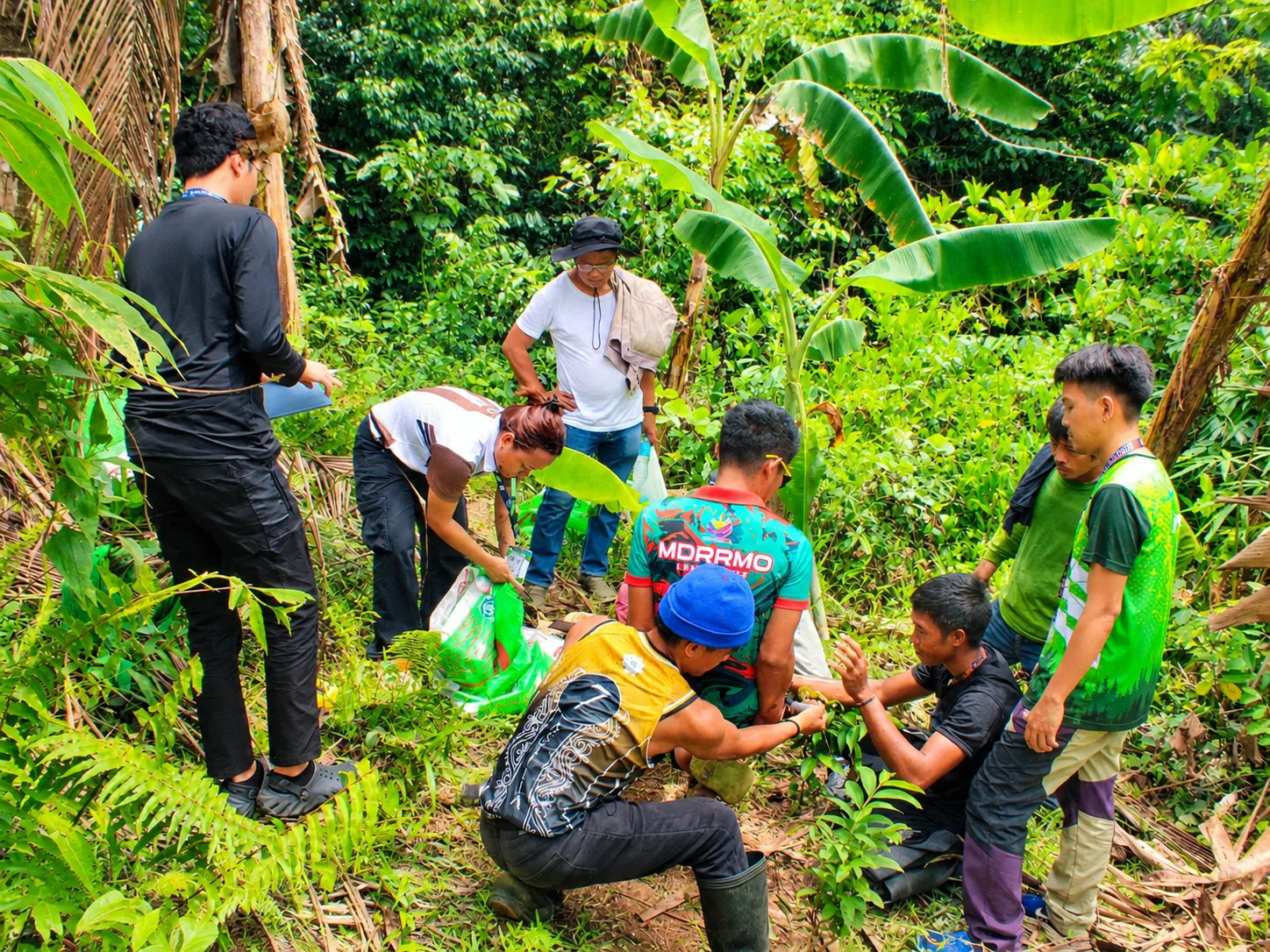
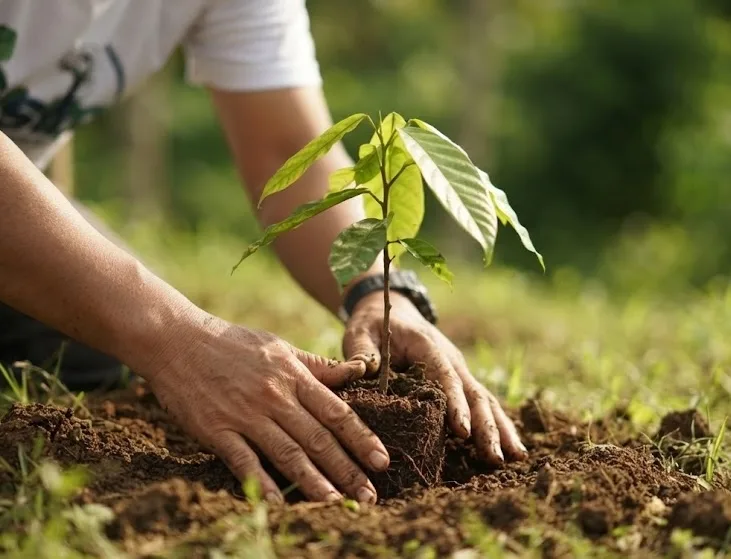
OZAMIZ CITY - The activity brought a surprisingly simple action into a celebration usually associated with the country's seas and maritime identity. According to Globalport's account, approximately 500 seedlings were planted in the designated area, with Palawan Cherry, bamboo, and narra among the species selected. The activity involved government agencies, private-sector representatives, and partner organizations, giving the planting effort a distinctly collaborative character. Rather than focusing on a single organization, the event showed how environmental activities can gather people from different workplaces and institutions around one practical task: placing young trees in the landscape and giving them an opportunity to grow.
Why MANA Mo Reaches Beyond the Shoreline
The tree planting also fits naturally within the wider purpose of Maritime and Archipelagic Nation Awareness Month. The Department of Environment and Natural Resources describes MANA Mo 2026 as an opportunity to strengthen public understanding of the country's maritime and archipelagic character, while its environmental messaging connects maritime awareness with protecting marine and coastal resources. For a coastal city such as Ozamiz, that broader perspective creates an interesting connection between land and water. Healthy surroundings are not created by maritime activities alone; environmental responsibility can begin on land, where vegetation, communities, waterways, and coastal areas form part of the same wider environment.
A Greener Chapter for a Maritime City
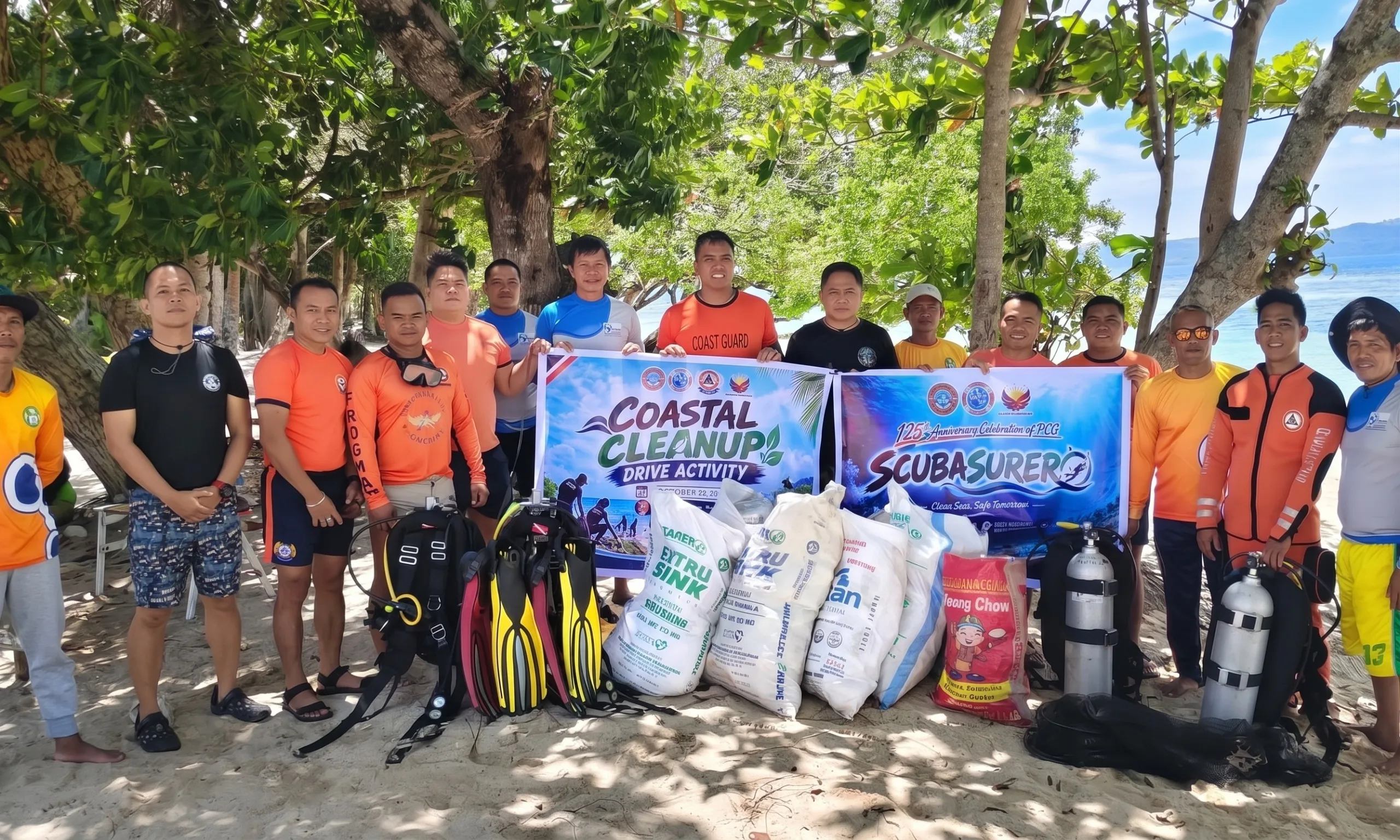
For Ozamiz, the activity adds a quieter environmental story to the city's busy maritime calendar. Globalport's 2026 records also show its Ozamiz terminal participating in an International Coastal Cleanup in September, while its corporate-responsibility page lists other environmental activities connected with the terminal. Taken together, these documented activities show different forms of participation: one removes waste from coastal surroundings, while another adds living greenery to the landscape. The 500 seedlings planted on September 29 will still require care long after the MANA Mo celebration has ended, making their future growth a more meaningful measure of the activity than the planting day itself.