From a Baker's Recipe to an Ozamiz Tradition
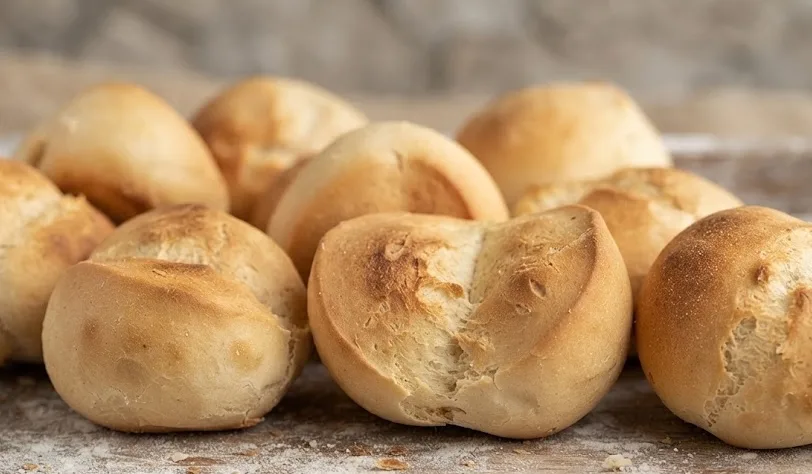
OZAMIZ CITY - The history recorded in the Pan Ramona cultural study points to Hilyoteryo Nazareno as the bread's original maker. Interviews with his descendants and other respondents placed its beginnings around the 1960s, when Nazareno was still a bachelor. The study also records the explanation that the name “Ramona” came from the name of a woman from Davao who had been part of his earlier life. The recipe, however, remained Pan Ramona even after Nazareno married Forferia C. Lungay. Rather than being treated as an ordinary loaf, the bread gradually became something familiar to families who bought it, sold it, baked it, or brought it home for others.
The Bread Became Part of Everyday Ozamiz Life
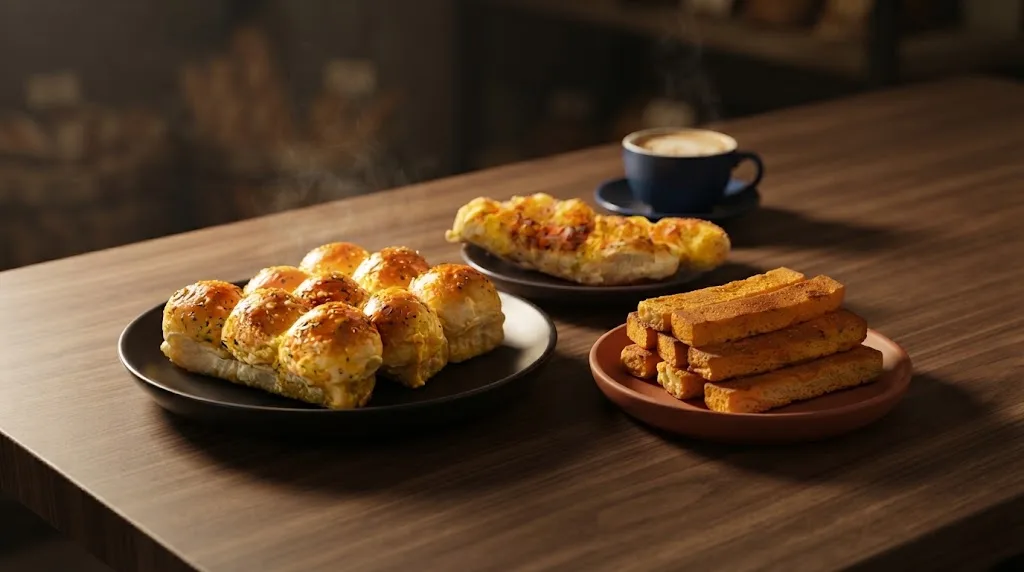
What makes the Pan Ramona story particularly interesting is that its history is not limited to the person who created it. The research gathered accounts from descendants, vendors, and consumers, showing how the bread became connected with different parts of the community. Vendors could earn from selling it, bakery workers were involved in producing and serving it, and families purchased it for their homes. The study also documented accounts of people taking Pan Ramona outside Ozamiz and sending it to relatives elsewhere. Those details give the bread a significance beyond its ingredients. Its story became intertwined with ordinary routines: buying something familiar, bringing it home, and sharing a taste associated with Ozamiz.
Why Pan Ramona Still Deserves a Place in Ozamiz's Story
Food heritage does not always begin in a famous restaurant or a grand culinary institution. Sometimes it starts with a baker creating a recipe that people simply enjoy enough to keep buying. Pan Ramona's documented history illustrates that kind of heritage. The cultural study concluded that the bread had characteristics valued by respondents, including its taste, original mixture, affordability, and ability to remain part of people's lives over many years. In 2026, the continued interest in its story provides an opportunity to look at Pan Ramona not merely as bread but as a reminder of Ozamiz's everyday history. Its appeal lies precisely in that simplicity: one recipe, passed through generations, carrying memories of the city along with it.