The Challenge Begins Before Entry
OZAMIZ CITY- Confined-space rescue requires a different level of preparation from an ordinary emergency response. Tanks, tunnels, underground utility vaults, and similar enclosed areas can restrict movement and ventilation while exposing rescuers to potentially dangerous atmospheric conditions. The Bureau of Fire Protection's Operational Procedures Manual identifies hazard assessment, ventilation considerations, and suitable breathing apparatus as important parts of confined-space operations. These precautions help determine whether an area is safe to enter and what protective measures are necessary before a rescue begins. For personnel undertaking refresher training in Ozamiz, these principles are central to understanding the risks associated with restricted-access emergencies.
High-Angle Techniques Meet Confined-Space Demands
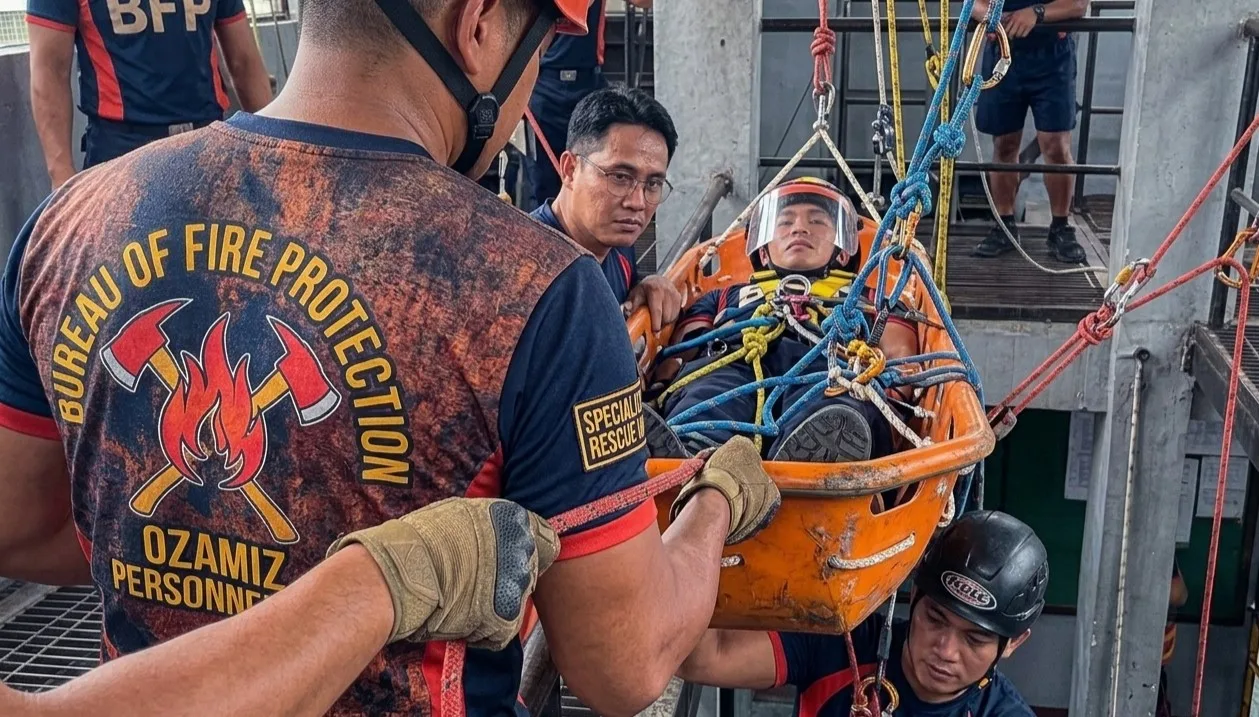
Combining high-angle rescue knowledge with confined-space procedures requires careful attention to access, equipment, and the safe movement of both rescuers and victims. Personnel must understand how to use appropriate ropes, harnesses, and retrieval systems while following the procedures applicable to the specific environment. The Bureau of Fire Protection's operational guidance also identifies specialized training and technical rescue expertise as important requirements for confined-space operations. Refresher exercises provide an opportunity to review established techniques, recognize equipment limitations, and reinforce the communication needed among team members. The Ozamiz training's stated focus on confined-space rescue places these practical considerations at the center of the activity.
Protecting Rescuers Is Part of Saving Lives
A rescue is not complete simply because a victim has been reached; the extraction must also be carried out without exposing additional people to unnecessary danger. Confined-space incidents can require coordinated work among rescue technicians, safety personnel, and emergency medical responders, depending on the conditions at the scene. The Bureau of Fire Protection's procedures identify distinct responsibilities for technical specialists, rescue personnel, safety officers, and emergency medical services during these operations. Revisiting those responsibilities helps responders understand their roles and the importance of following established safety protocols rather than rushing into an unsafe environment. Through its High-Angle Rescue refresher training focused on Confined Space Rescue, Ozamiz personnel revisited a specialized area of emergency response where preparation, sound judgment, and disciplined execution are essential.