When One LGU Becomes Another’s Classroom
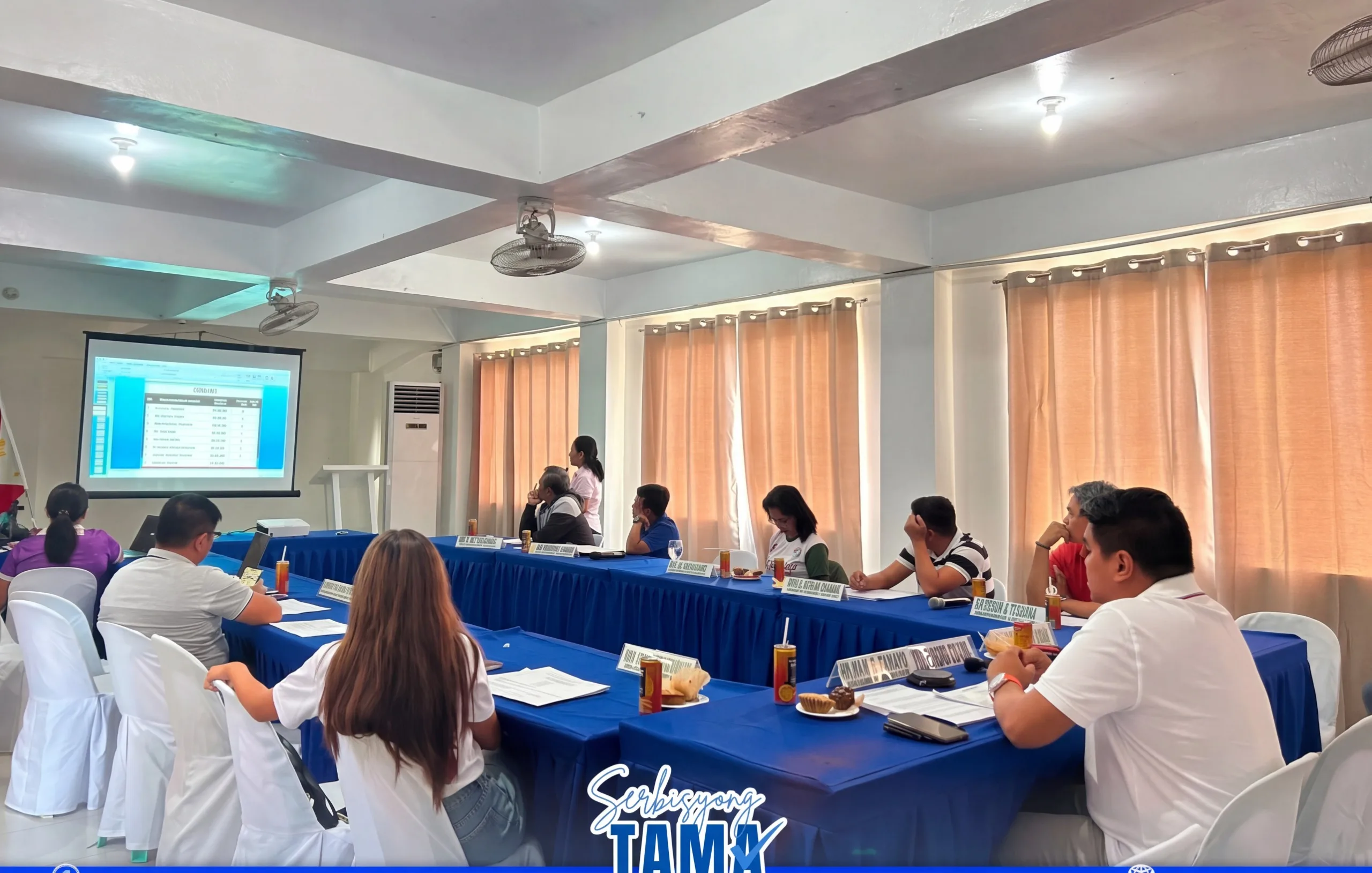
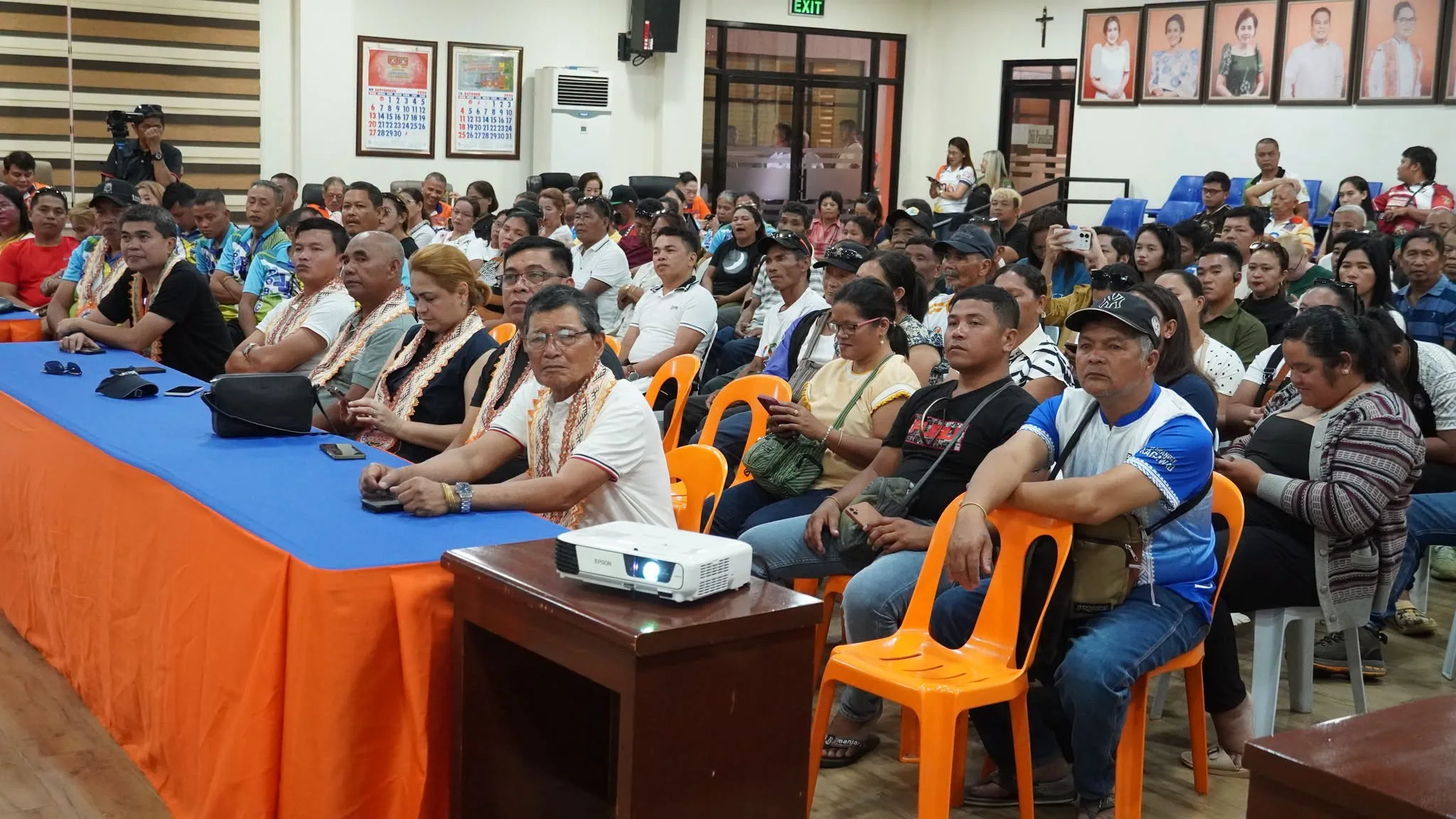
OZAMIZ CITY - Government learning does not always happen inside a seminar room. On September 11, a 158-member delegation from Sumilao, Bukidnon came to Ozamiz City for a three-day educational and benchmarking tour, giving the two local governments an opportunity to exchange practical observations. The visit is particularly interesting because benchmarking allows public servants to look at how another LGU organizes its work rather than relying only on presentations or written guidelines. Ozamiz’s official city portal describes its administration as focused on transparent and responsive service, while its 2026 activities show continuing attention to public programs and city operations. For visiting delegates, the value lies in seeing those practices within their actual local setting.
Looking Beyond the Office Door
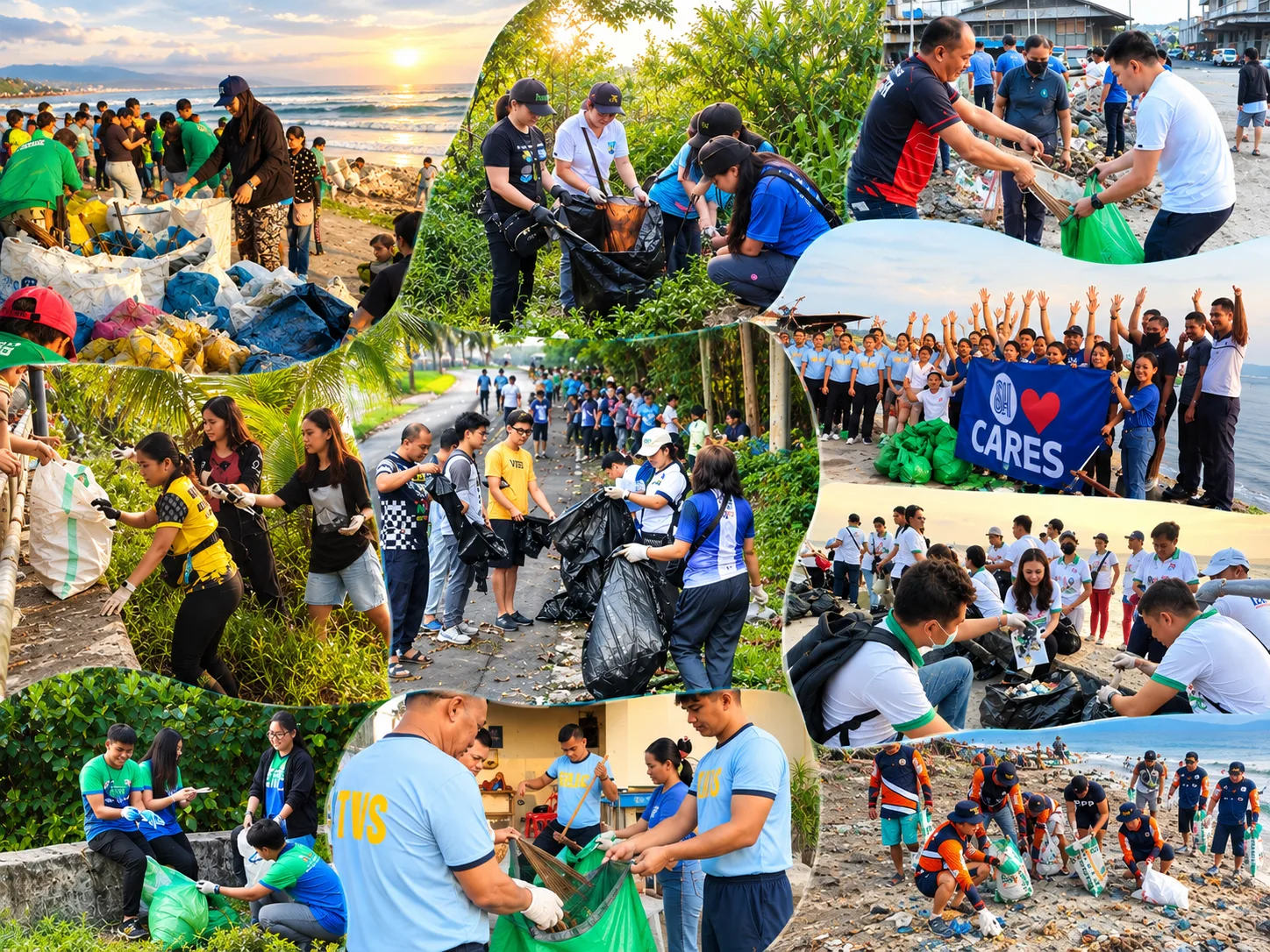
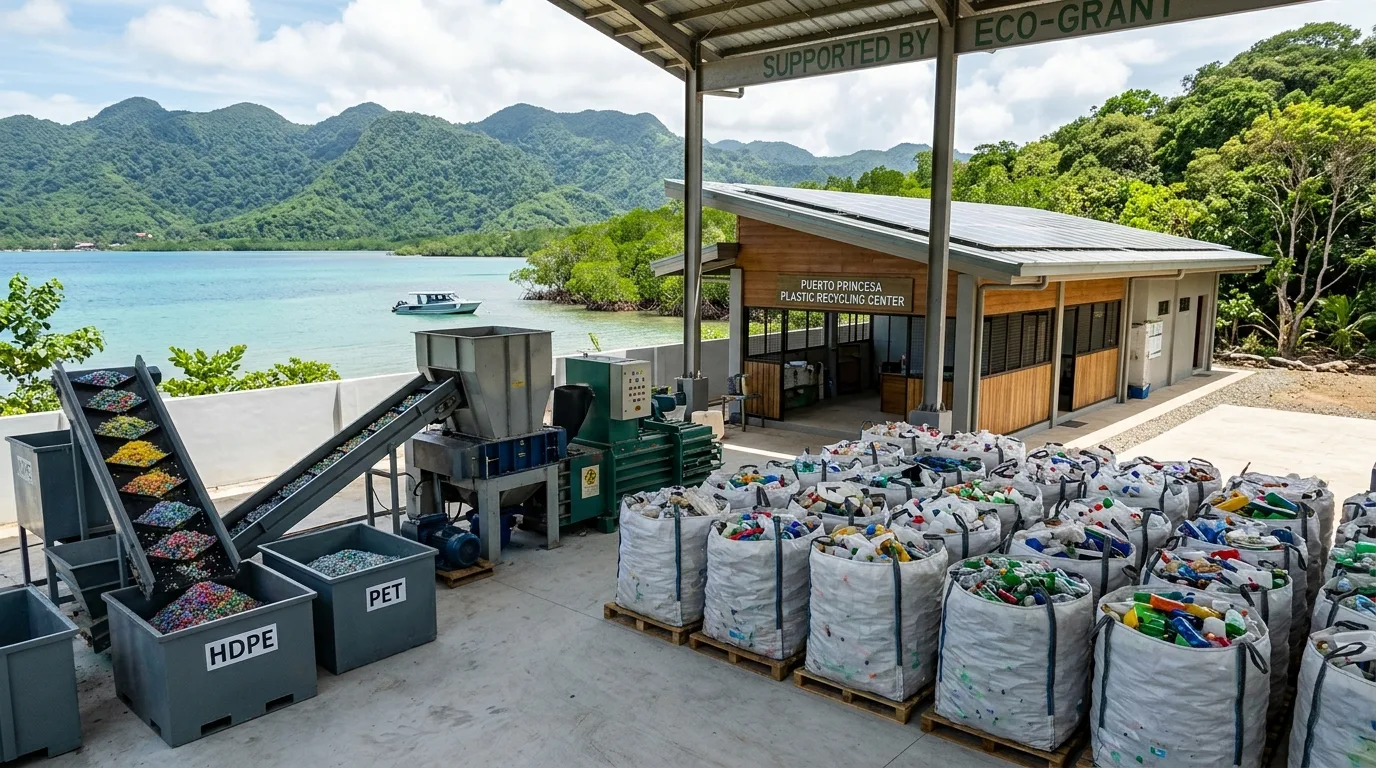
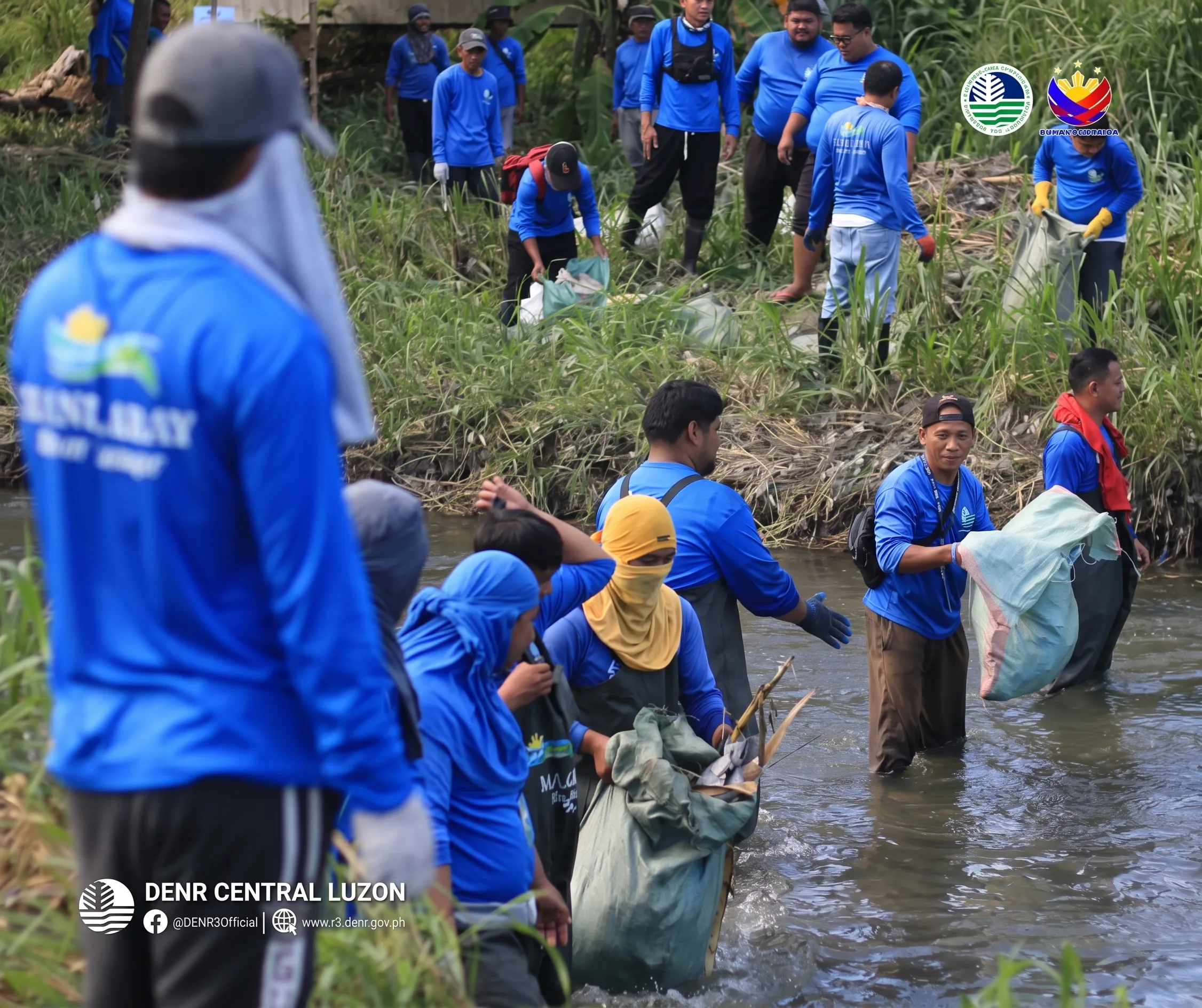
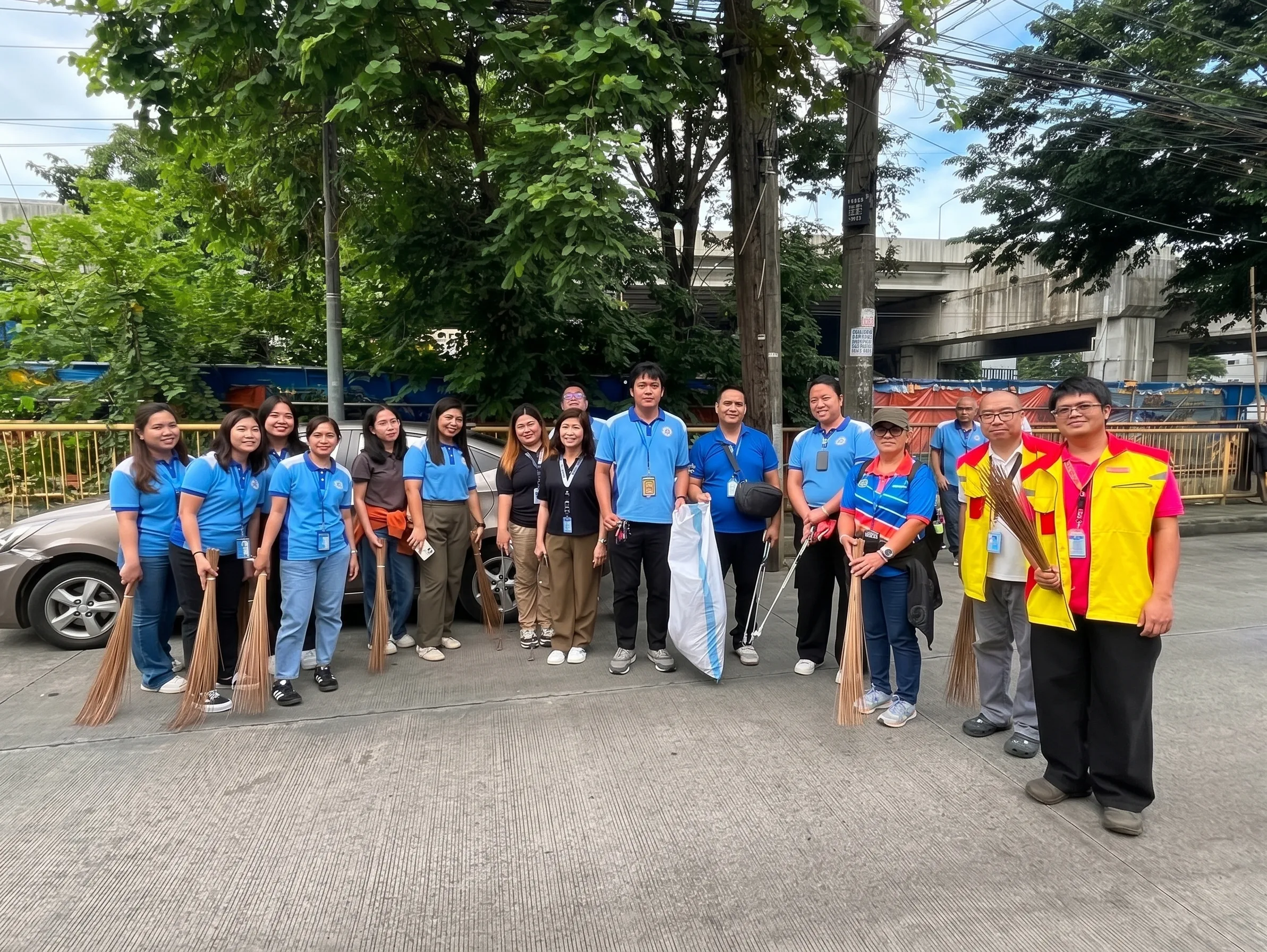
Environmental management is another area where Ozamiz has concrete experience to share. In April 2026, all 51 barangays participated in the city’s Waste Analysis and Characterization Study, which measured the quantity and composition of waste generated by communities. The Philippine Information Agency reported that the information would be used in preparing Ozamiz’s 10-year solid waste management plan. That kind of exercise demonstrates how environmental work can involve data collection, barangay coordination, analysis, and long-term planning rather than simply cleanup activities. For a visiting LGU, such an example can offer useful questions: How is information gathered? How are communities involved? And how can environmental data influence future government decisions?
Good Ideas Travel Better Through Conversation
The Sumilao visit also reflects something valuable about local government: useful ideas do not have to remain inside the municipality where they began. Ozamiz has previously taken part in wider governance and development discussions, while Northern Mindanao LGUs continue to engage in capacity-building on climate resilience, planning, and public administration. A benchmarking tour creates space for officials and staff to compare experiences, identify practices that may fit their own communities, and recognize that every municipality has different needs. The goal is not necessarily to copy Ozamiz’s methods exactly. Instead, the exchange can help Sumilao examine which approaches may be adapted to its own circumstances while giving Ozamiz another opportunity to share what it has learned.