A Marine Crop With Expanding Possibilities
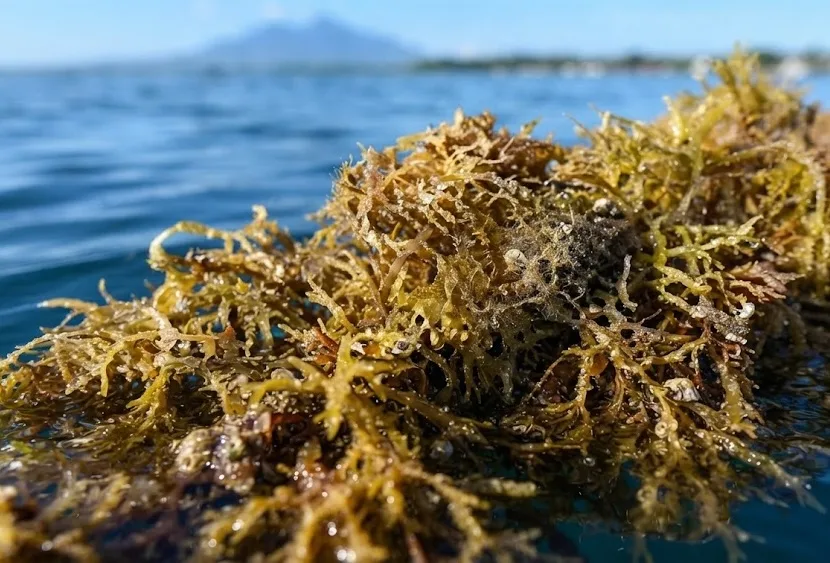
OZAMIZ CITY - Unlike many agricultural products, seaweed requires no freshwater, fertilizer, or large tracts of land to grow. It thrives in suitable coastal waters and has become an important source of livelihood for fishing communities across the country. Through BFAR Region X's fisheries development initiatives, seaweed farmers receive planting materials, farm inputs, and technical guidance to improve productivity and crop quality. These interventions help coastal producers increase yields while encouraging sustainable farming practices. For communities near Ozamiz City, seaweed cultivation offers an additional income source alongside traditional fishing activities.
Creating More Value Beyond Harvesting
The seaweed industry extends far beyond selling dried raw materials. Processed seaweed is used in carrageenan production, food ingredients, health products, cosmetics, fertilizers, and animal feed. Expanding local production creates opportunities for entrepreneurs involved in drying, processing, packaging, logistics, and product development. As demand for sustainable marine products continues to grow, coastal communities have greater potential to participate in higher-value segments of the supply chain. Encouraging innovation within the seaweed sector also supports the development of small enterprises that can generate employment and diversify local economic activity.
Supporting a Sustainable Blue Economy
Seaweed farming demonstrates how economic development and environmental sustainability can work together. When managed responsibly, seaweed cultivation has a relatively low environmental footprint while providing dependable income for coastal households. Government support through training, research, and extension services helps farmers adopt better cultivation techniques and improve resilience against changing environmental conditions. As fisheries programs continue expanding across Northern Mindanao, communities connected to Ozamiz City have opportunities to strengthen their participation in a marine industry that supports livelihoods, food production, and long-term coastal development.