When a University Library Becomes a Community Resource
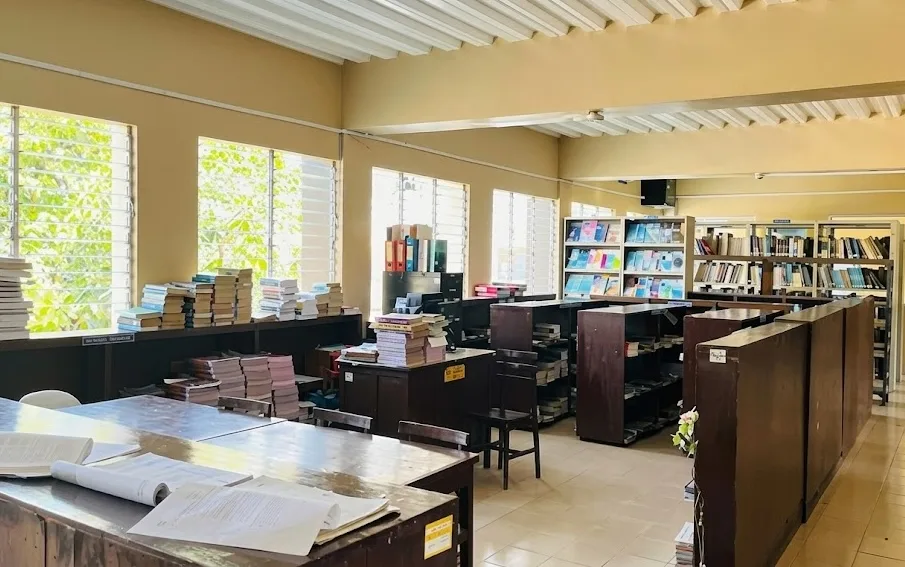
OZAMIZ CITY - Many people associate university libraries with enrolled students, yet institutions in Ozamiz City have shown that these spaces can serve a much broader audience. Misamis University allows external researchers and visitors to access its library collections, online catalog, internet services, and research materials. The university has also donated books, shelves, and reading resources to nearby schools, expanding access to educational materials outside the campus. Rather than limiting information to academic circles, these efforts demonstrate how university resources can become valuable community learning tools that encourage reading, independent research, and knowledge sharing across different sectors of society.
From Research Halls to Practical Skills
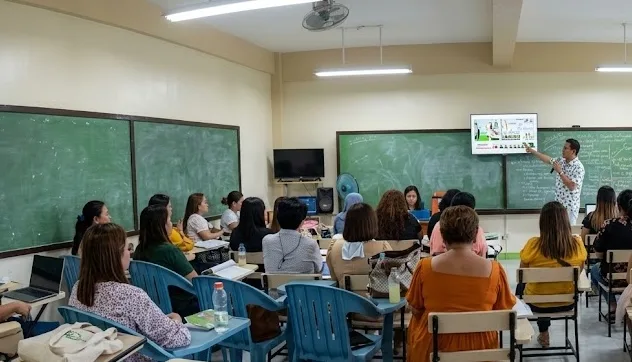
Academic collaboration today is not confined to scholarly publications. Misamis University has organized ICT training sessions, research seminars, business development workshops, and mentoring activities involving government agencies, cooperatives, healthcare workers, and students. These programs illustrate how universities contribute practical knowledge alongside academic instruction. Meanwhile, La Salle University Ozamiz continues to support the professional growth of librarians and information specialists by hosting conferences that explore technology, innovation, and the future of library services. Together, these initiatives demonstrate that higher education institutions can connect research with everyday community needs through continuing education and professional development opportunities.
A Different Way to Build Digital Literacy
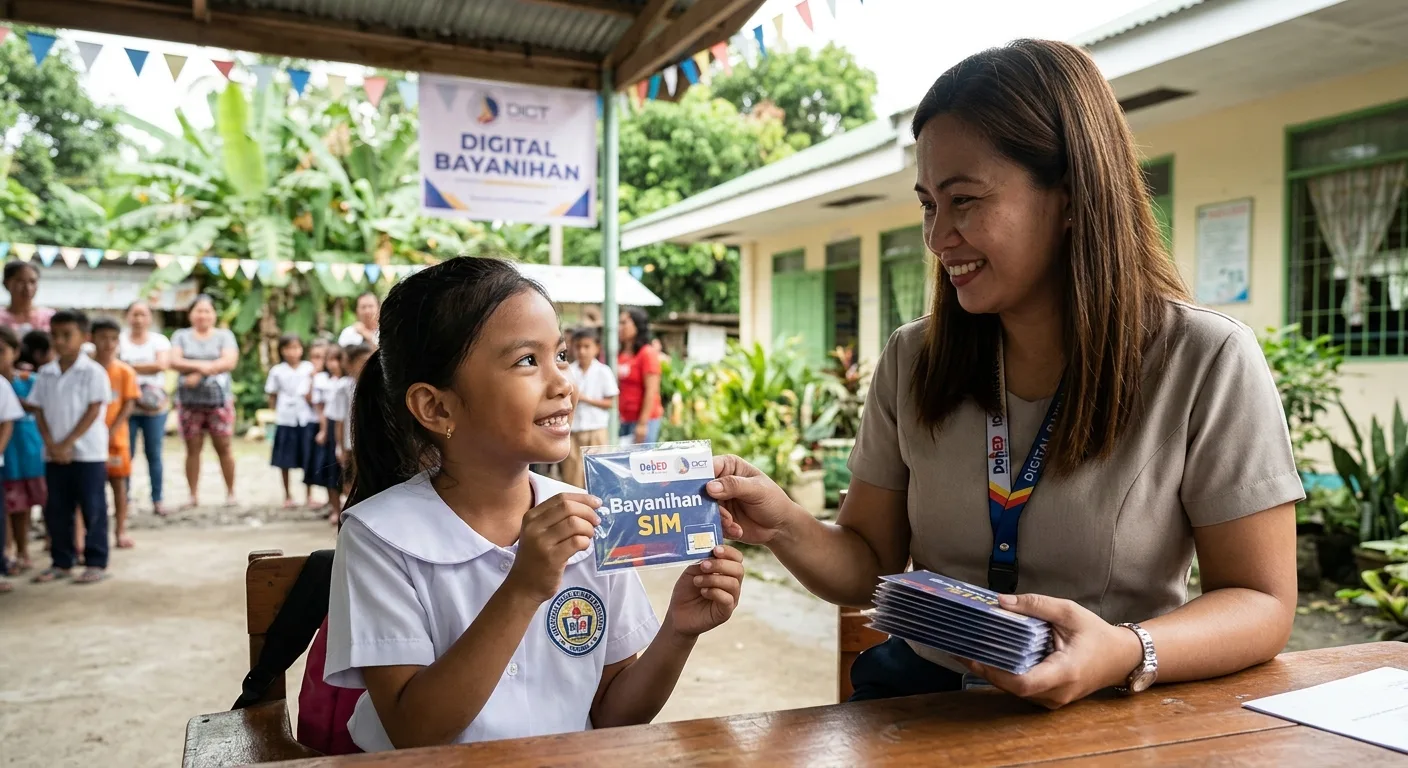
Digital literacy is often discussed in terms of internet access, but Ozamiz City's academic institutions highlight another important ingredient: guidance. Open research databases, library catalog systems, reading clinics, scholarly journals, and technology workshops help learners understand how to locate, evaluate, and apply information responsibly. Instead of simply increasing the availability of digital tools, universities encourage thoughtful use of reliable sources and evidence-based learning. This approach benefits educators, students, professionals, and community members alike, illustrating that meaningful digital literacy depends as much on critical thinking and accessible educational support as it does on technology itself.