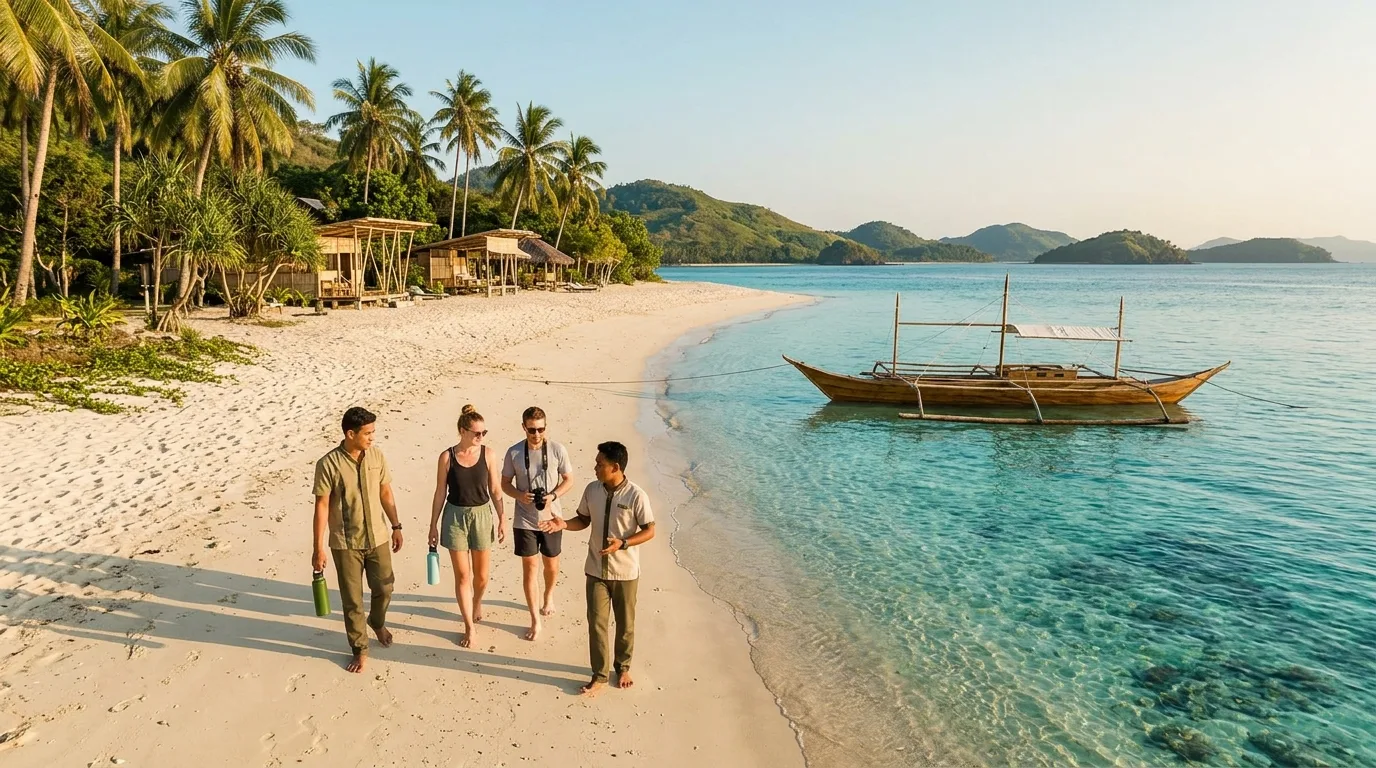
A recent travel alert from Nomad Lawyer has spotlighted the Philippines as a key player in redefining global beach escapes, positioning the archipelago alongside Indonesia, Mozambique, and Madagascar as destinations championing affordable, sustainable ocean adventures. This emerging trend focuses on providing unique travel experiences away from traditional, overcrowded coastal hotspots, emphasizing environmental preservation and community engagement.
Fostering Sustainable Growth Across Emerging Destinations
The initiative aims to diversify tourism offerings, drawing attention to lesser-known yet equally stunning natural wonders within these nations. For the Philippines, this means a potential surge in interest for its myriad islands and coastal areas that have not yet reached mass tourism saturation, promoting a more balanced and regenerative approach to travel. This focus on sustainability is crucial for protecting the nation's rich marine biodiversity and pristine beaches for future generations.
Economic Opportunities and Regional Empowerment
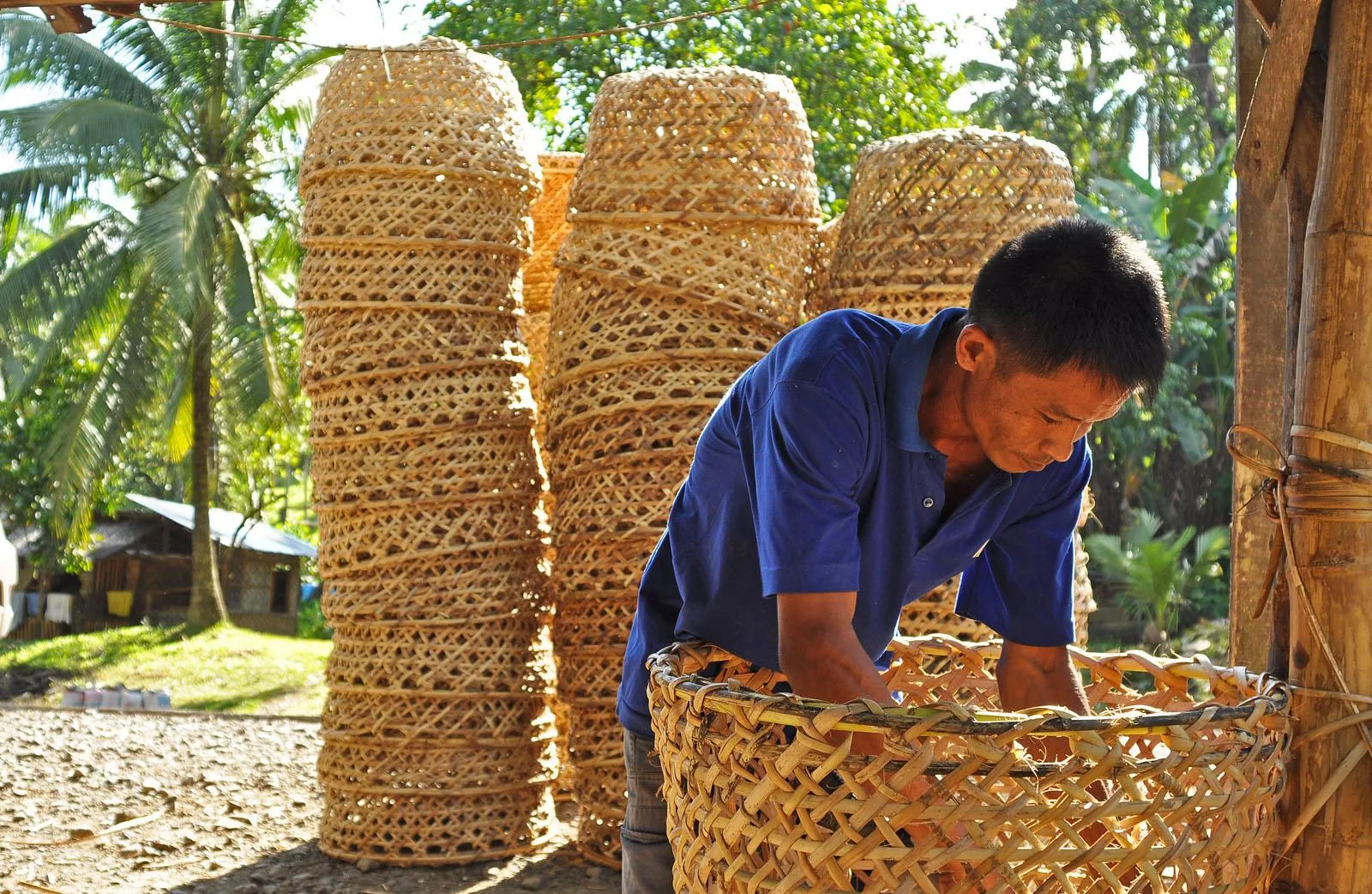
This shift in global tourism strategy holds profound implications for the Filipino economy and its workforce. By promoting sustainable and off-the-beaten-path destinations, the Philippines can foster economic growth in rural areas, creating employment opportunities for local communities in hospitality, eco-tourism guiding, artisanal crafts, and related services. This diversification helps distribute tourism benefits more equitably across the country, rather than concentrating them in a few major hubs. It can also empower local entrepreneurs and small businesses, strengthening the domestic economy.
Empowering Communities and Embracing Responsible Tourism
For Filipinos, whether residing locally or as overseas workers (OFWs), this development signifies a promising outlook. OFWs considering returning home might find new entrepreneurial prospects in developing and managing eco-lodges, tour operations, or sustainable agriculture ventures catering to these niche tourism markets. Locally, it translates to increased job security and skill development in environmental conservation and responsible tourism practices. Travelers, both domestic and international, are encouraged to embrace responsible tourism by supporting local businesses, respecting natural environments, and engaging with communities in a culturally sensitive manner, ensuring the long-term viability of these emerging sustainable destinations across the Philippines.