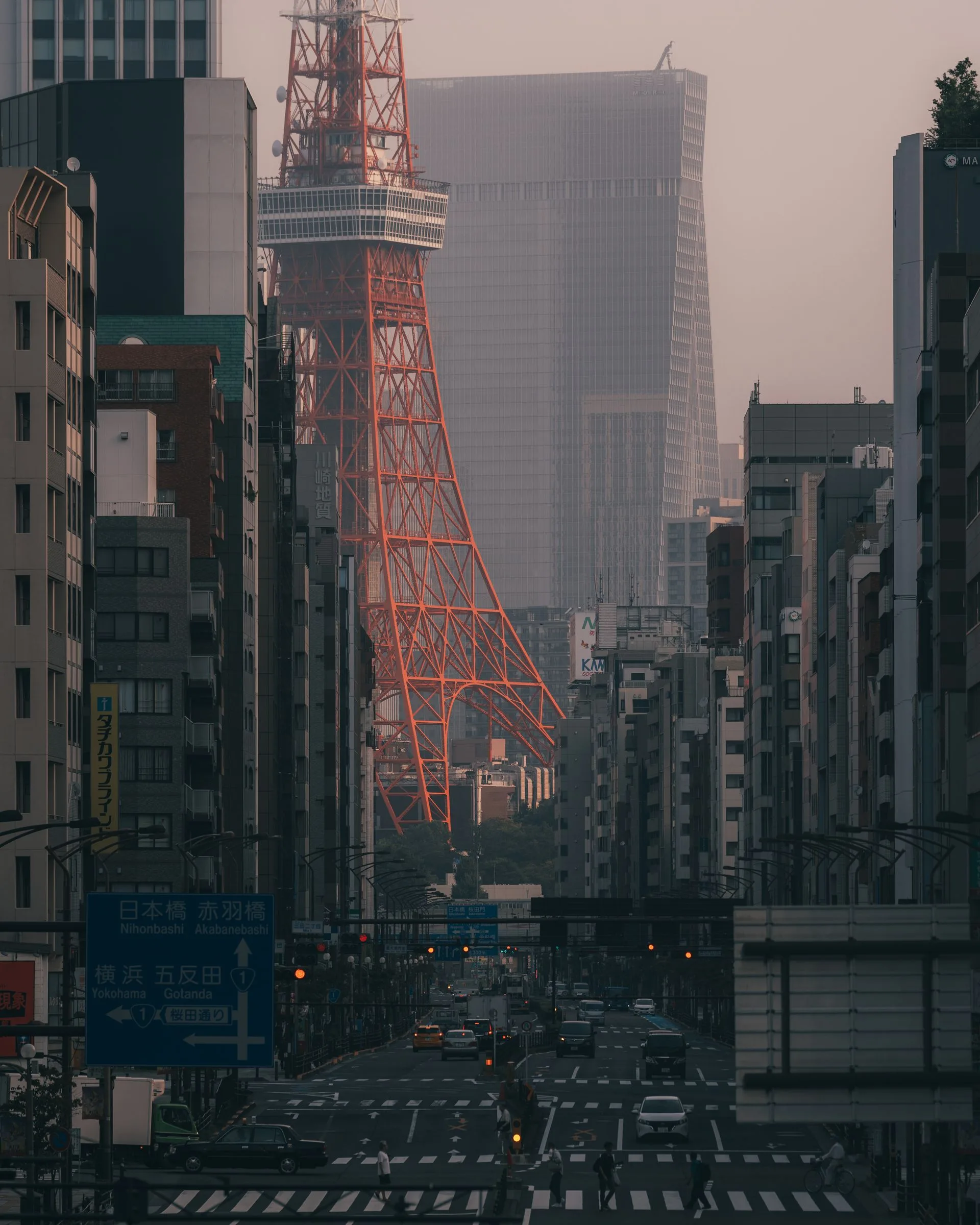
TOKYO — The average price of new condominiums in Tokyo's 23 special wards has skyrocketed to a record 265.2 million yen, nearly doubling from last year. While the headline figure may seem staggering, this market shift creates unexpected opportunities for overseas Filipino workers and their families.
A Record-Breaking Market
Real Estate Economic Institute Co. reported that the July average surpassed the previous high of 217.5 million yen set in March 2023. It also marked the first time prices exceeded the 250 million yen threshold. The surge was driven by luxury properties in Minato Ward and large-scale developments in Kita Ward.
The broader metropolitan area, including Kanagawa, Saitama, and Chiba, saw average condo prices rise 63.7 percent to 164.93 million yen. Properties in the 23 wards accounted for nearly half of all units supplied. Tadashi Matsuda, a senior researcher at the institute, noted that while specific properties heavily influenced the spike, the overall upward trend continues.
Booming Jobs for Filipino Professionals
Japan's housing supply has struggled to keep pace with demand due to severe labor shortages in construction. The surge in large-scale developments creates excellent opportunities for Filipino engineers, architects, and skilled workers. These are long-term positions that offer stability and competitive wages.
For OFWs currently in Japan, this construction boom translates into job security. The demand for skilled labor shows no signs of slowing. Filipino workers with expertise in construction and engineering are positioned to benefit significantly from this sustained growth.
A Rare Investment Window
For OFWs earning in stronger currencies like the US Dollar or Euro, the historically weak Japanese Yen offers a substantial discount. Japan has no restrictions on foreign property ownership, making it accessible for investment. High rental yields in urban centers make Tokyo real estate an attractive asset.
This presents a rare opportunity for OFWs to diversify their investments internationally. A condo purchase in a secondary Japanese city could generate passive income. The favorable exchange rate effectively reduces the entry price for those earning abroad.
Redirecting Savings to Philippine Real Estate
With central Tokyo prices reaching ultra-luxury levels, many OFWs find local homeownership out of reach. This reality encourages them to channel their savings back to the Philippines. Investing in family homes, condos, or retirement properties at home becomes a more attractive option.
The trend provides a steady stream of remittance-driven investment into the Philippine market. OFWs can secure their future while supporting the local economy. This redirection of funds strengthens the domestic real estate sector significantly.
A Magnet for Global Capital
Japan's reputation as one of Asia's safest real estate markets continues to attract foreign investors, who now account for about 27 percent of transactions. The record prices confirm the country's status as a prime asset class. Competitive interest rates add to its appeal.
The extreme cost of central Tokyo is also pushing buyers toward regional cities like Osaka and Fukuoka. This creates profitable opportunities in secondary markets. Additionally, the trend of buying and renovating vacant rural homes, known as akiya, is gaining momentum among investors.