Food Is Where Different Stories Meet
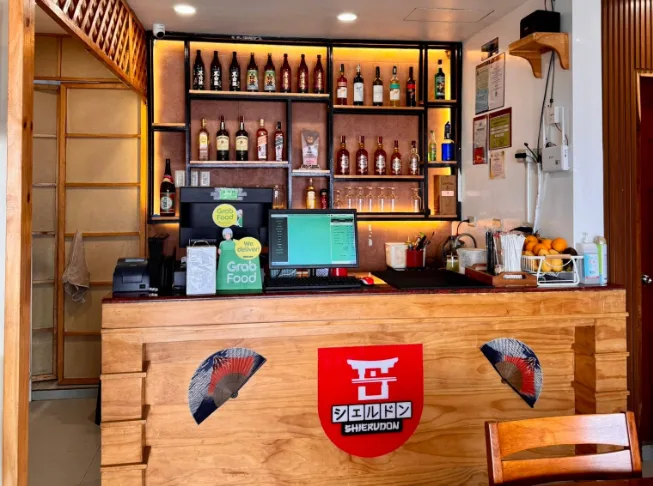
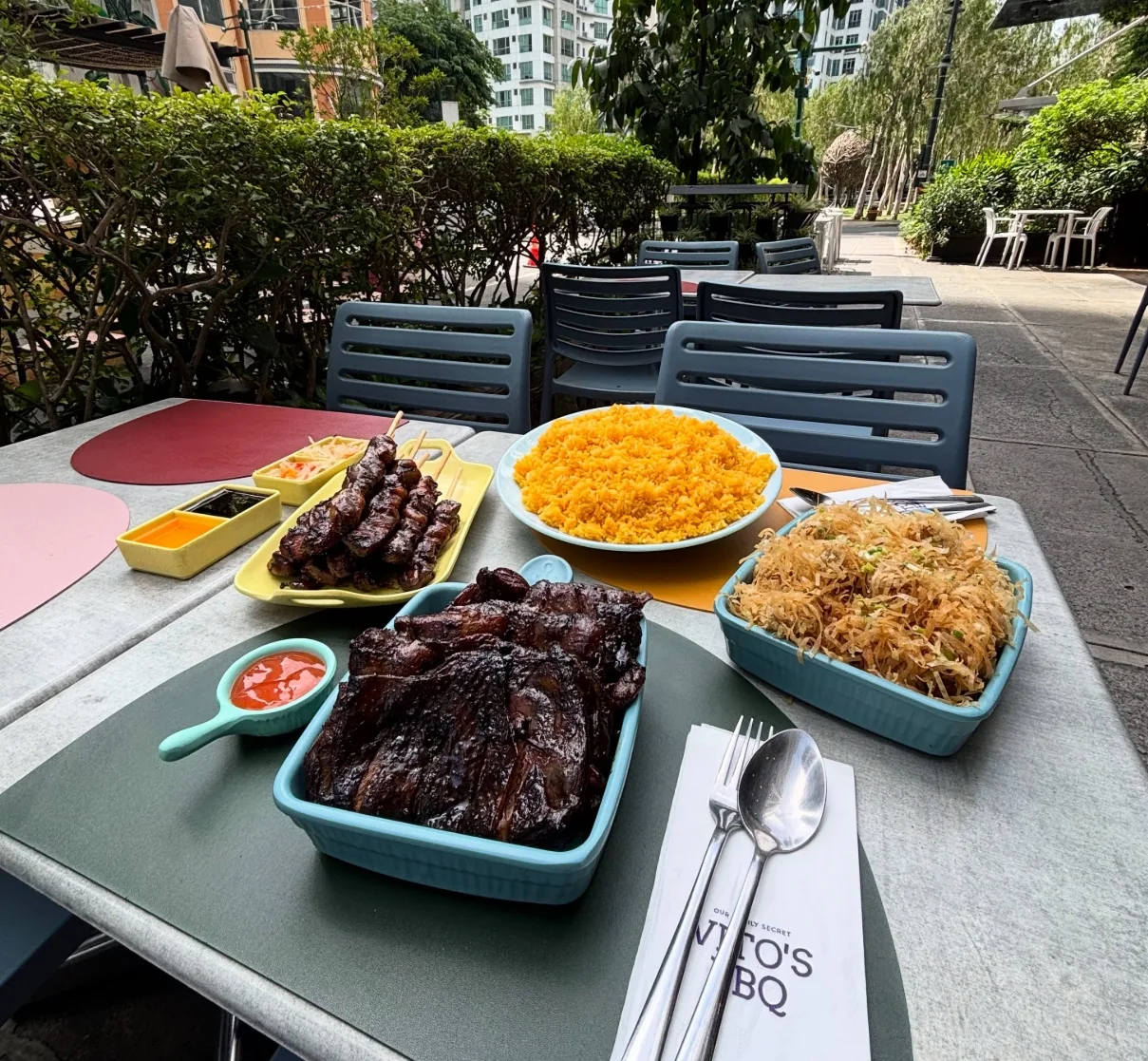
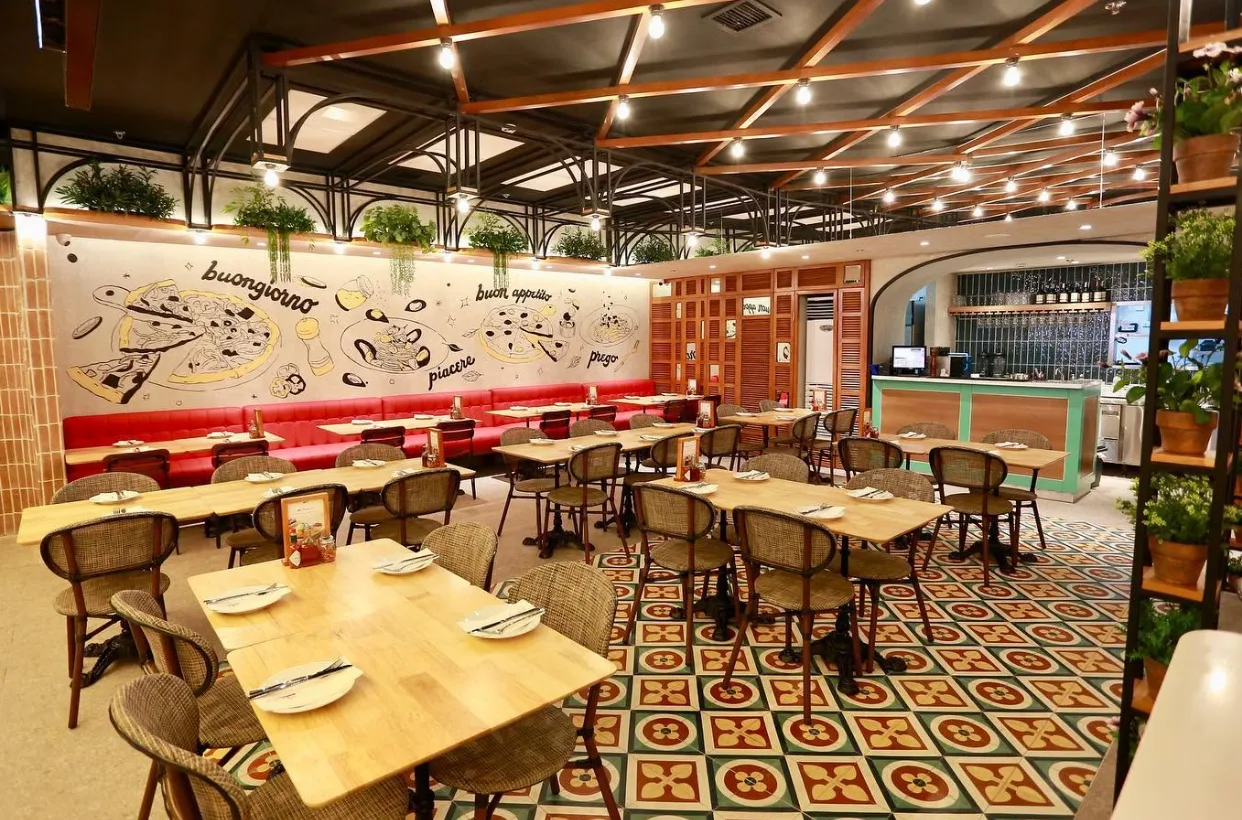
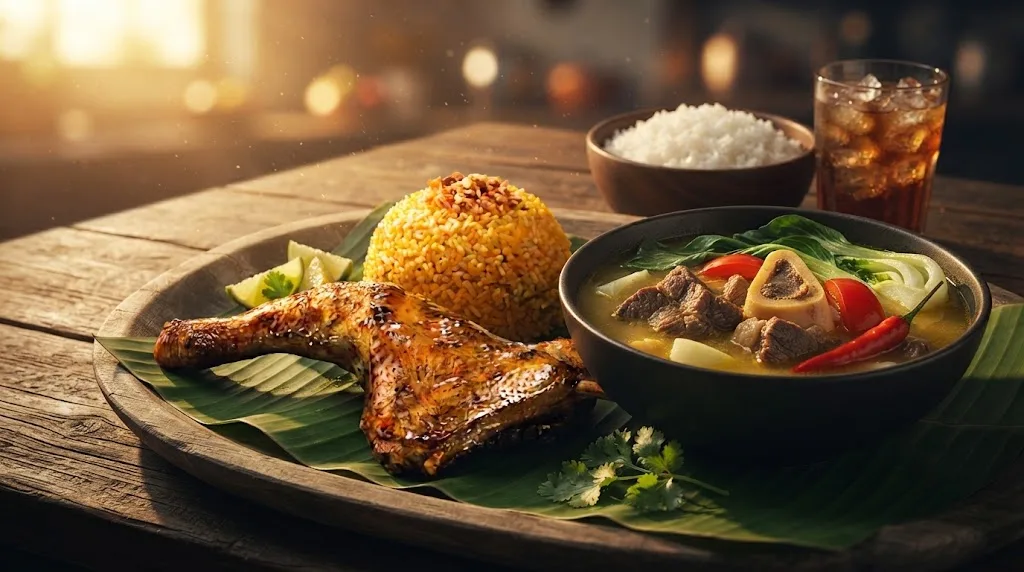
BACOLOD - Few things demonstrate Bacolod's cultural character as clearly as its food scene. Chicken inasal, piaya, napoleones, kansi, and other Negrense specialties connect today's diners with generations of culinary traditions. At the same time, restaurants and cafés across the city continue introducing Japanese, Korean, Thai, Chinese, Vietnamese, Italian, and other international influences. This does not necessarily replace local cuisine; instead, it creates a dining landscape where traditional flavors exist alongside contemporary interpretations. For visitors, ordering a local specialty followed by a meal from a different culinary tradition can reveal how Bacolod's food culture continues to expand.
Heritage Remains Part of the Modern City
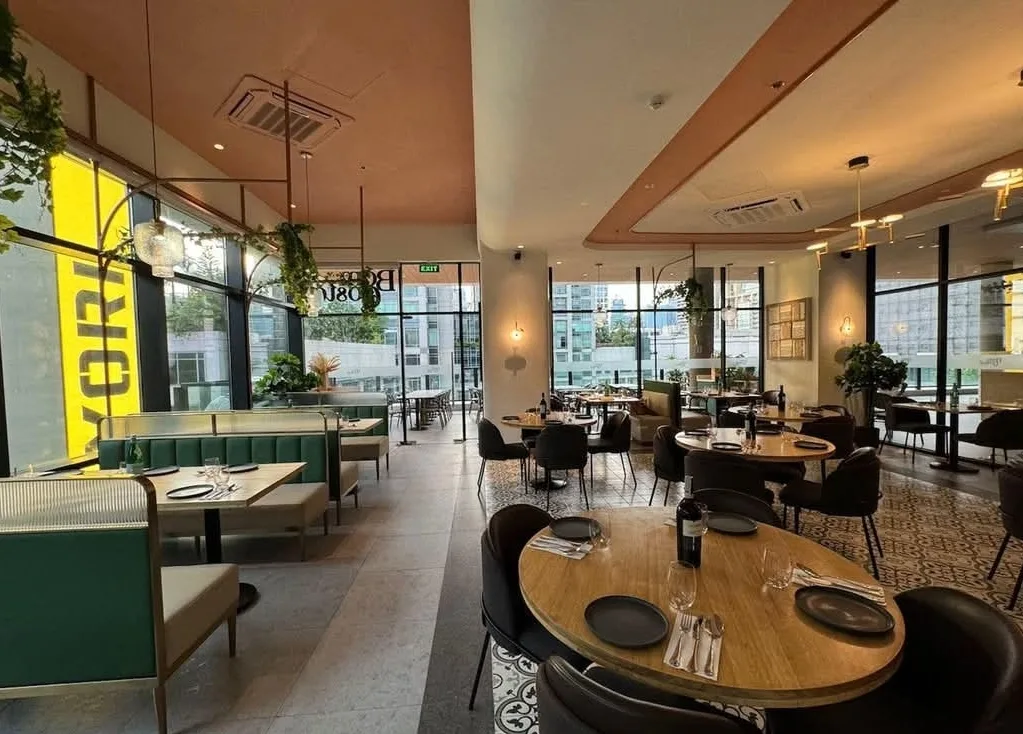
Bacolod's contemporary development exists alongside reminders of its sugar-industry and Negrense heritage. Historic structures, ancestral homes, churches, museums, and public landmarks provide connections to earlier generations, while new commercial districts, hotels, restaurants, and creative spaces demonstrate how the city continues to change. The contrast can be seen particularly clearly when visitors move between heritage destinations and modern establishments on the same day. A trip might begin with a historical attraction, continue with lunch at a contemporary restaurant, and finish at a modern rooftop lounge. Rather than seeing old and new Bacolod as separate experiences, travelers can understand them as parts of one continuously evolving city.
Creativity Keeps the Narrative Moving Forward
Artists, chefs, entrepreneurs, musicians, designers, and small-business owners also contribute to the city's evolving identity. Their work demonstrates how local heritage can be reinterpreted rather than simply preserved unchanged. A restaurant might modernize a traditional dish, an artist might use Negros history as inspiration for contemporary work, or a small business might combine local materials with a modern design. Festivals and public events provide another space where traditional elements meet contemporary entertainment and community participation. This constant interaction between heritage and innovation is what makes Bacolod's “melting pot” narrative more than a description of different cultures—it is a story about how a city continues to create its own identity.