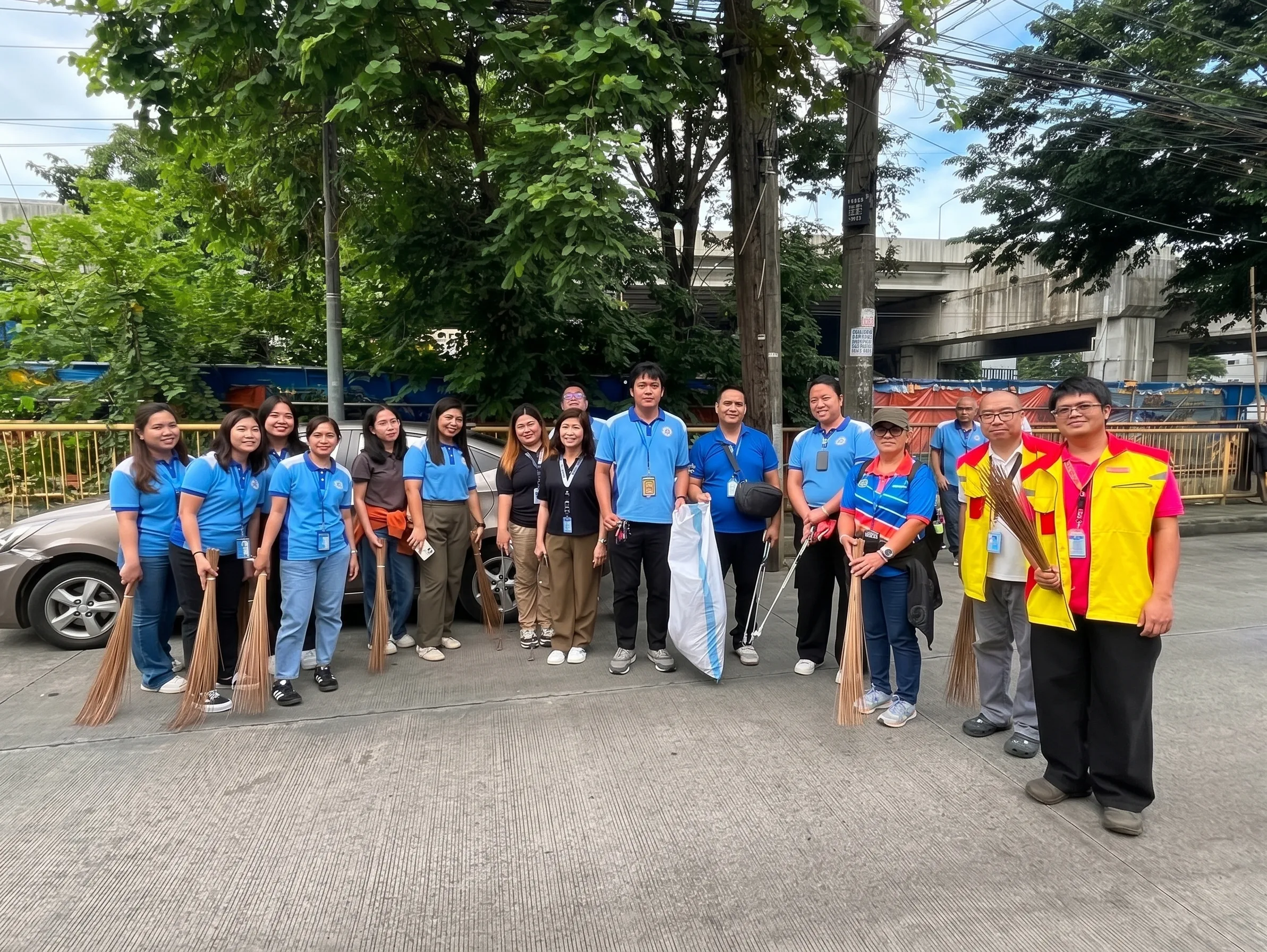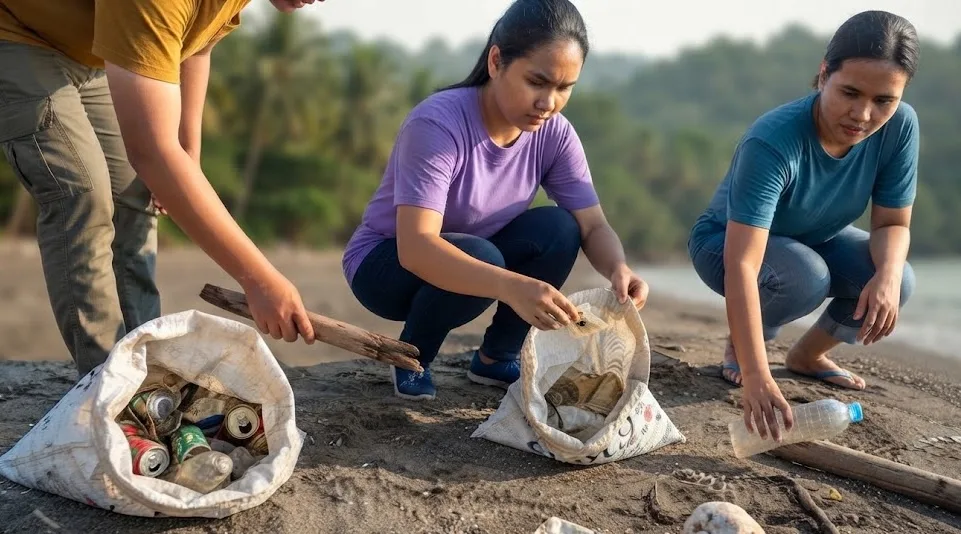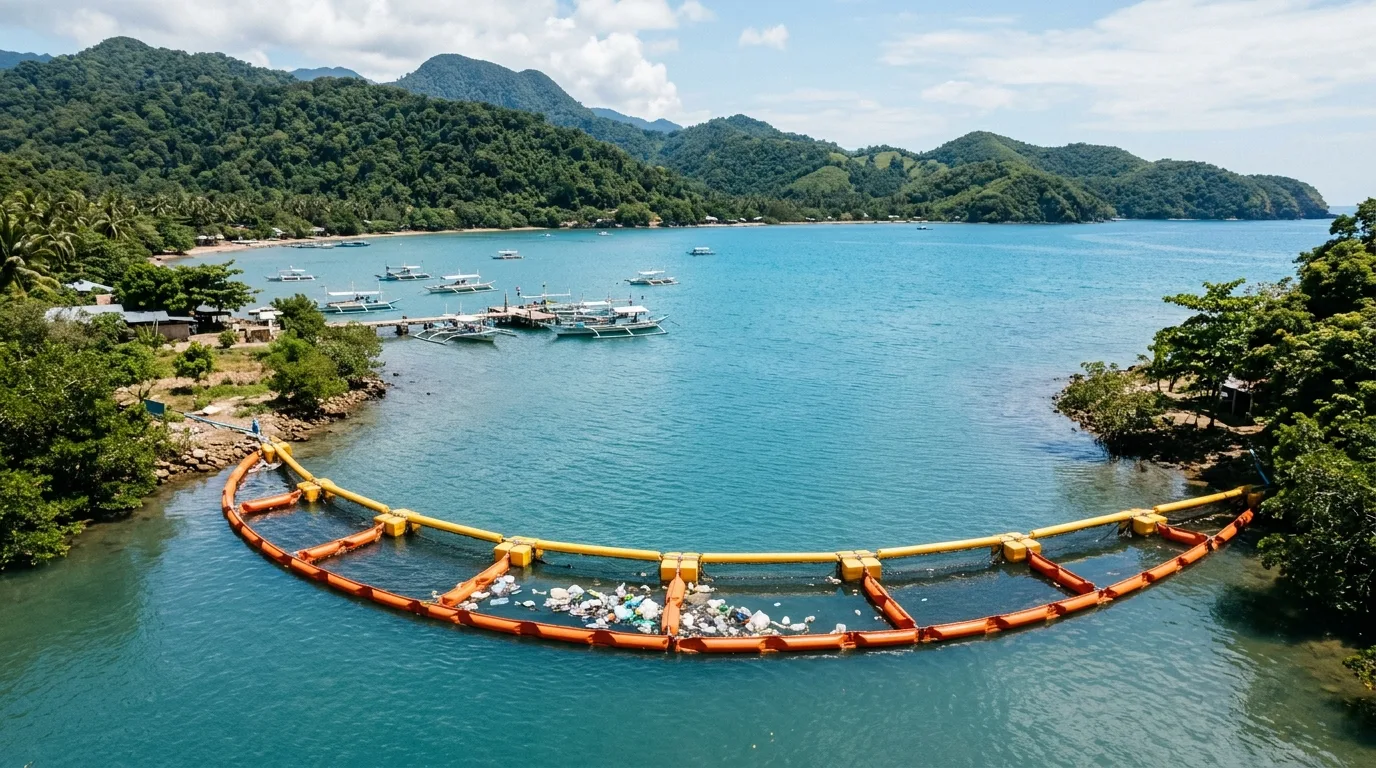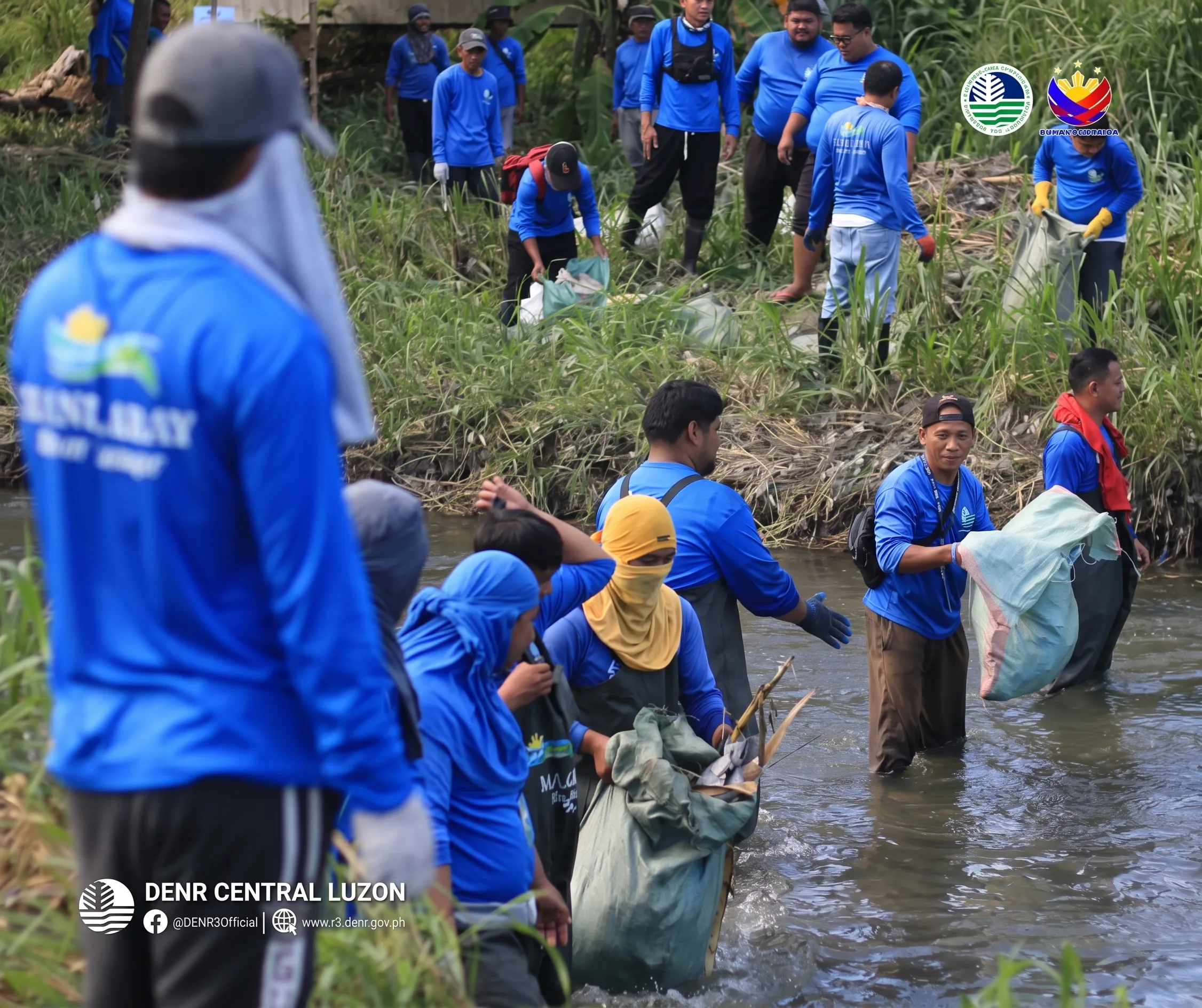
PAMPANGA - When we picture a relaxing weekend getaway, many of us think of pristine coastal views, fresh ocean breezes, and a peaceful escape from our daily grinds. But beneath the surface of our favorite coastal destinations, a quiet crisis is unfolding. This weekend, a massive workforce of over 1,700 everyday heroes uncovered the true, alarming scale of the pollution problem hiding right on our doorsteps. Joining hands for the global International Coastal Cleanup (ICC) event, an army of volunteers took over beaches, riverbanks, and waterways all over Central Luzon.
A Mountain of Waste and a Critical Mission
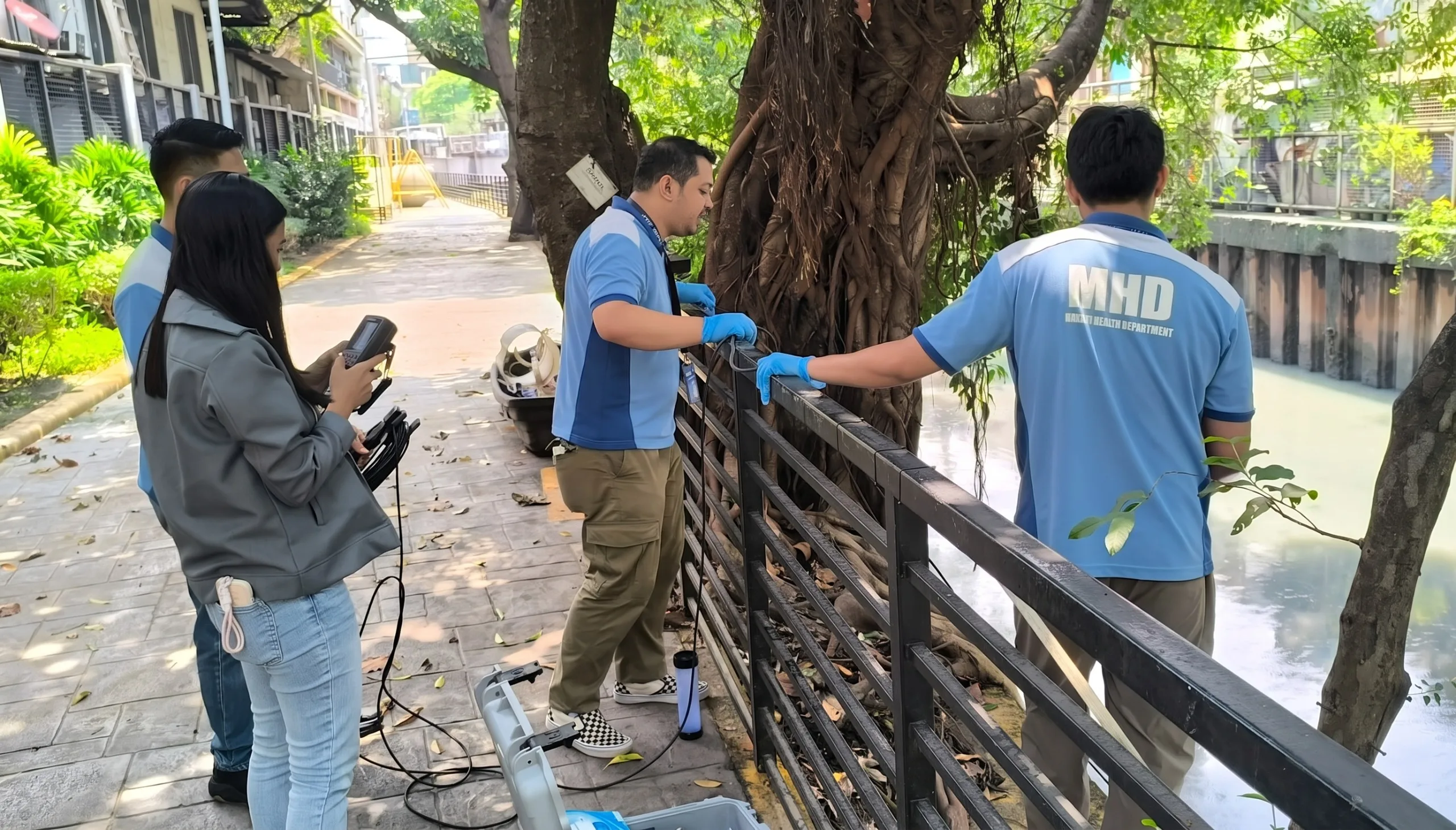
Organized under the powerful theme "Clean Seas for Resilient Communities," the synchronized operation brought together local citizens, school groups, soldiers, and business owners. Together, they combed the shorelines to clear away an absolute mountain of debris—pulling in a jaw-dropping 75,000 kilograms of waste in a single multi-sector push! But according to DENR Regional Executive Director Ralph Pablo, this massive event wasn't just about picking up garbage. It was a critical data-gathering mission. As volunteers filled their trash sacks, they meticulously logged every single item to track exactly where our pollution is coming from. The final audit revealed a deeply concerning reality. The biggest culprits choking our marine life weren't heavy industrial materials. Instead, the shorelines were buried under everyday household items: single-use plastic shopping bags, snack wrappers, disposable diapers, discarded clothes, and broken styrofoam pieces.
A Call for Change Beyond Cleanups
Director Pablo issued a clear warning: this floating plastic pollution isn't just an eyesore—it is actively destroying the livelihoods of thousands of local fishing families who rely entirely on clean, healthy oceans to put food on their own tables. While international campaigns like the ICC are fantastic for waking people up to the climate reality, a single weekend cleanup cannot fix a permanent lifestyle problem. If we truly want to protect our beautiful islands, the change has to start in our own homes. By cutting down on single-use plastics and managing our trash responsibly, we can make sure that our next trip to the beach is to enjoy the water—not to save it. This initiative is part of a broader effort to protect the environment, as the Philippines remains one of the world's top plastic polluters, with 2.7 million metric tons of plastic waste generated annually, 20% of which ends up in the ocean.