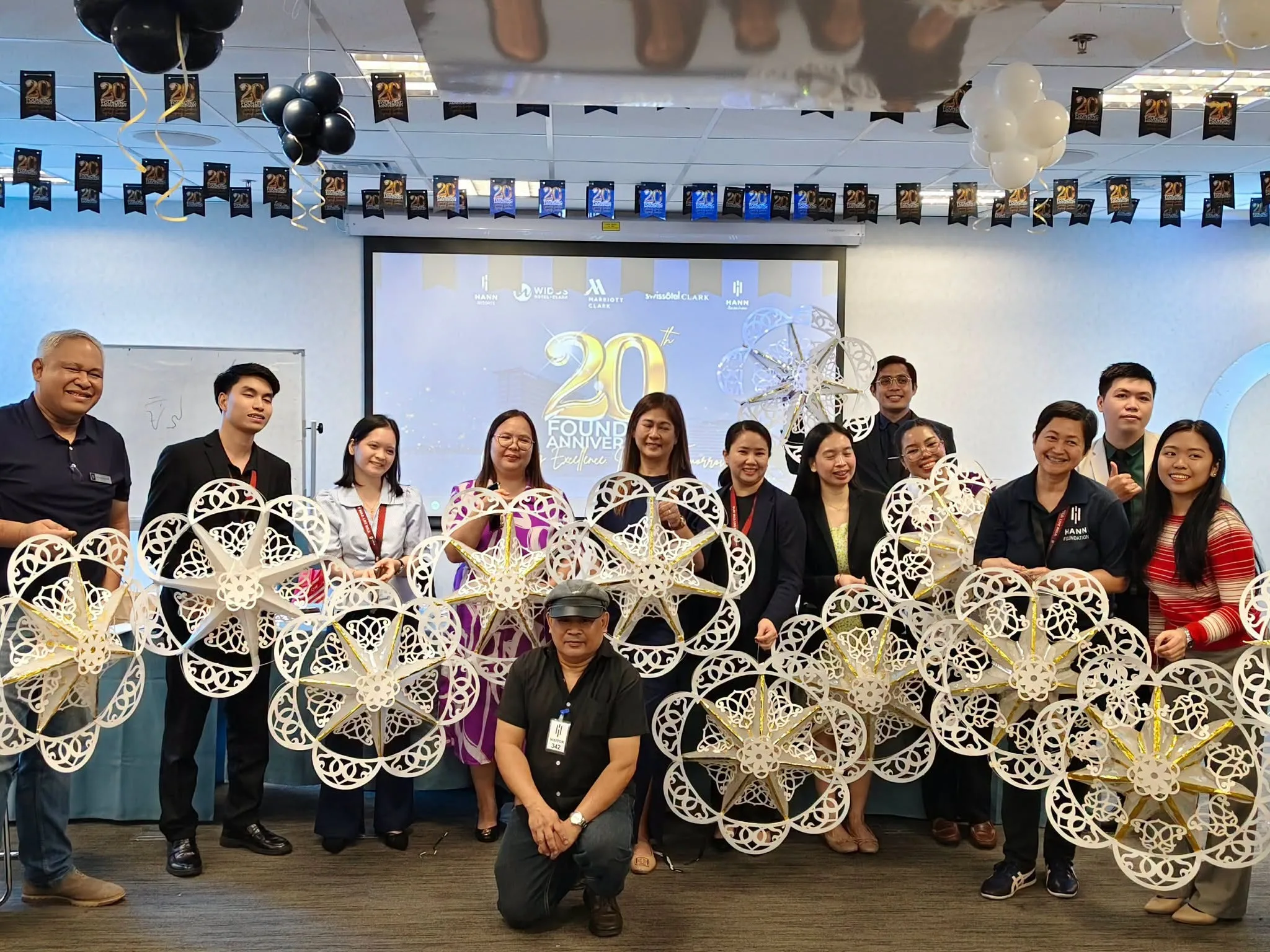
ANGELES CITY, Pampanga — The Angeles City Tourism Office, in partnership with the Hann Foundation, hosted a heritage workshop on August 11, 2026, aimed at preserving two treasured Kapampangan arts. Participants learned the intricate craft of Angeles Parul making and the ancient Kulitan script, ensuring these traditions continue for future generations.
A Return to the Roots of Kapampangan Culture
The masterclass was led by Tang Lucio Sison, a respected cultural worker and master craftsman. Under his guidance, participants gained hands-on experience in creating traditional lanterns, learning the delicate techniques of bamboo framing and paper design. The workshop provided a rare opportunity to connect with ancestral skills in a modern setting.
Beyond the lantern making, the session introduced attendees to Kulitan, the pre-colonial Kapampangan writing system. They learned about its unique vertical structure and its significance as the only indigenous script in the Philippines written in that manner. The hands-on instruction helped demystify this ancient form of calligraphy, making it accessible to a new generation.
The Living Tradition of the Angeles Parul
The Angeles Parul holds a special place in the city's identity, distinct from the giant electric lanterns of neighboring areas. It is traditionally crafted with hand-carved bamboo and delicate Japanese paper, reflecting an elegant simplicity. This lantern is central to the "Lubenas Ning Pasku," a century-old Christmas procession unique to Angeles City.
During this nine-night novena, communities parade candle-lit lanterns, including twelve star lanterns representing the apostles. The workshop helped participants understand the deep spiritual and communal significance behind this craft. It is not merely decorative but a living symbol of faith and community solidarity.
Safeguarding Heritage Through Education
The event was organized under the framework of the School of Living Traditions, which connects master artisans with eager learners. The Angeles City Tourism Office has been actively promoting such initiatives to ensure cultural heritage remains a lived practice. Their collaboration with the Hann Foundation highlights the role of private partnerships in cultural preservation.
By equipping locals with these skills, the city hopes to inspire a new wave of artisans and cultural advocates. The workshop served as a reminder that culture thrives when it is actively practiced and passed on. It was a meaningful step in ensuring that Kapampangan heritage continues to shine.