IMUS CITY, Cavite — Every first Monday of October, World Architecture Day invites heritage enthusiasts to examine how the built environment preserves identity. In Cavite, the Cradle of the Philippine Revolution, historic stone churches, revolutionary estates, and high-altitude modernism coexist across a dramatic landscape from Manila Bay to Tagaytay.
The Aguinaldo Shrine: A Mansion of History
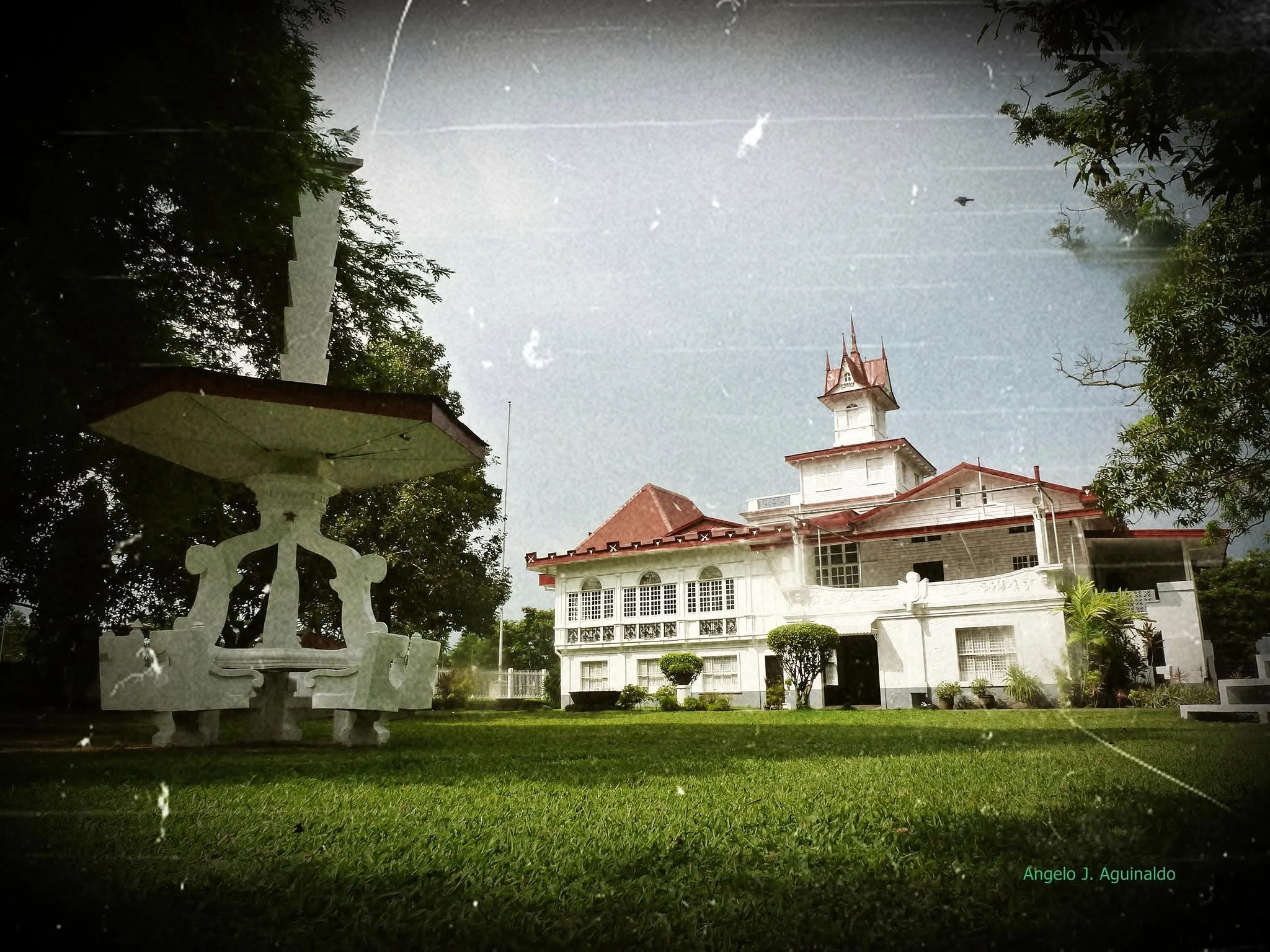
The Aguinaldo Shrine in Kawit is the birthplace of Philippine independence, where General Emilio Aguinaldo declared sovereignty on June 12, 1898. The grand mansion synthesizes traditional Bahay na Bato design with Art Deco accents and secret military engineering, reflecting its owner's revolutionary background.
Its iconic Independence Balcony, added in 1919, features relief carvings of the Philippine flag and national symbols. Hidden compartments, concealed stairwells behind wooden lockers, and underground escape tunnels reflect Aguinaldo's military foresight. A seven-story wooden watchtower once offered sweeping views of Manila Bay.
Sacred Masonry and Colonial Craftsmanship
Silang Church, constructed by Jesuits in the early 17th century, is the oldest standing church in Cavite. Its thick volcanic tuff walls were engineered to withstand seismic tremors and serve as community refuge during coastal raids. The interior contains magnificent 17th-century wooden retablos carved by indigenous and Chinese artisans, recognized as National Cultural Treasures.
Imus Cathedral stands out for its exposed red brick facade and imposing octagonal bell tower. Unlike coral-stone coastal churches, it utilized locally fired clay bricks, giving its surface a warm, earthy texture. Positioned across from the municipal plaza, it anchors the town's traditional Spanish colonial layout.
Corregidor: Engineering for War and Memory
Corregidor Island, administratively part of Cavite City, guards the entrance to Manila Bay. The Malinta Tunnel complex, engineered between 1922 and 1932, features a reinforced concrete main shaft running 835 feet through solid rock with 24 lateral tunnels. It served as a bombproof headquarters and hospital during World War II.
The Pacific War Memorial, designed by Nardin and Radoczy in 1968, crowns the island's highest point. Its stark white marble dome features an open circular oculus. Every June 6 at precisely noon, sunlight passes through to fall directly on a raised altar, commemorating fallen soldiers.
Tagaytay's Tropical Ridge Modernism
Rising 2,000 feet above sea level, Tagaytay City offers a stark contrast to Cavite's lowland heritage sites. The city has become a hub for Tropical Ridge Architecture, where residences maximize views of Taal Lake while coping with high winds and cooler mountain climates.
Modern structures along the ridge use heavy cantilevered concrete slabs projecting outward over slopes, providing unobstructed panoramic views. Steep-pitched rooflines shed high-altitude rain, while double-glazed glass curtain walls capture daylight and insulate against mountain winds.
A Legacy of Freedom and Creativity
Cavite honors its revolutionary past while adapting to modern urban growth. From timber-carved halls in Kawit and historic brickwork in Imus to military concrete on Corregidor and contemporary resort architecture in Tagaytay, the province's built environment reflects a legacy of strength and spatial ingenuity.
As Cavite develops with new infrastructure and sustainable townships, its architectural tapestry reminds us that great design must protect history, serve community life, and embrace the surrounding environment. Happy World Architecture Day.