

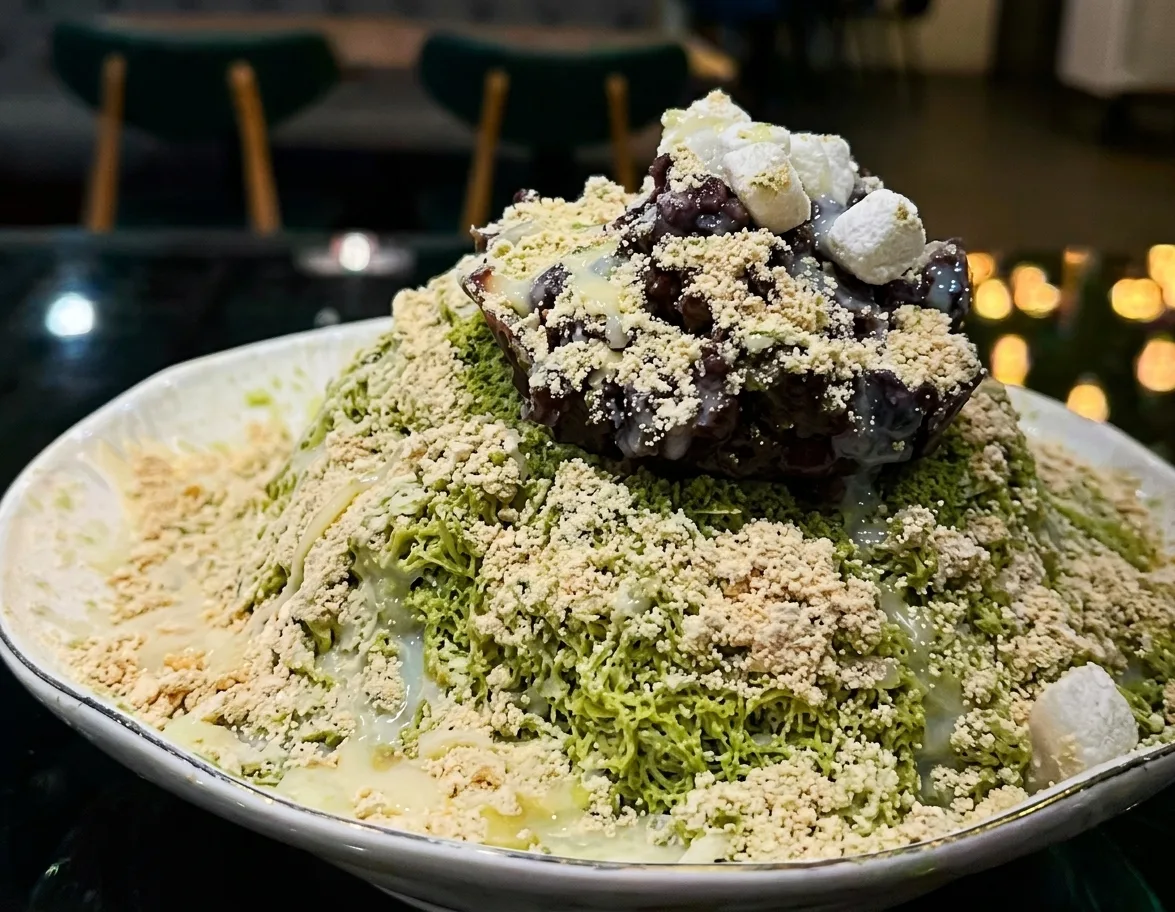
MUNICIPALITY OF SILANG, CAVITE — Some desserts are just sweet. This one is an experience. Matcha Red Bean Bingsu is a variation of the traditional Korean shaved ice dessert known as Patbingsu, and it's quietly becoming one of the most sought-after treats at Cafe Dalgona in Silang, Cavite. And once you understand what goes into it, you'll see why.
A Dessert Built on Ultra-Fluffy Milk Snow
Unlike Western shaved ice that relies on water ice and sugary syrups, authentic modern bingsu uses ultra-fluffy shaved milk snow. The milk is frozen and shaved down using specialized machines to create a texture that mimics light, powdery winter snow—ethereal, melting the moment it touches the tongue. At Cafe Dalgona, this delicate base becomes the foundation for a dessert that has quickly earned a devoted following among Caviteños seeking a taste of Korea.
The Perfect Balance of Earthy and Sweet
The earthy, slightly bitter notes of the Matcha Red Bean Bingsu come from premium Japanese green tea powder, dusted heavily over the snow or infused directly into the milk base. It is a flavor that doesn't shout—it whispers, calm and grounded. The classic component of sweetened azuki red beans provides a perfect contrast, with the inherent earthiness of the green tea balancing the sugary density of the beans. Condensed milk, served on the side or drizzled over the top, adds the signature creamy sweetness that ties the entire shaved snow tower together.
A Korean Tradition Finds a Home in Silang
Cafe Dalgona offers a low-key and intimate atmosphere, making it a favorite spot for dates, family hangouts, and anyone looking for a taste of Korea in the heart of Cavite. Reviewers consistently praise the ambiance, the friendly staff, and the variety of coffee and non-coffee options. While the cafe is famous for its Dalgona Bingsu topped with crunchy honeycomb-like candy, its menu also features fresh Mango Bingsu options alongside the Matcha Red Bean variant. Bingsu isn't just a trend—it is a cultural export that has found a warm home in the Philippines, adapted and embraced by local palates.