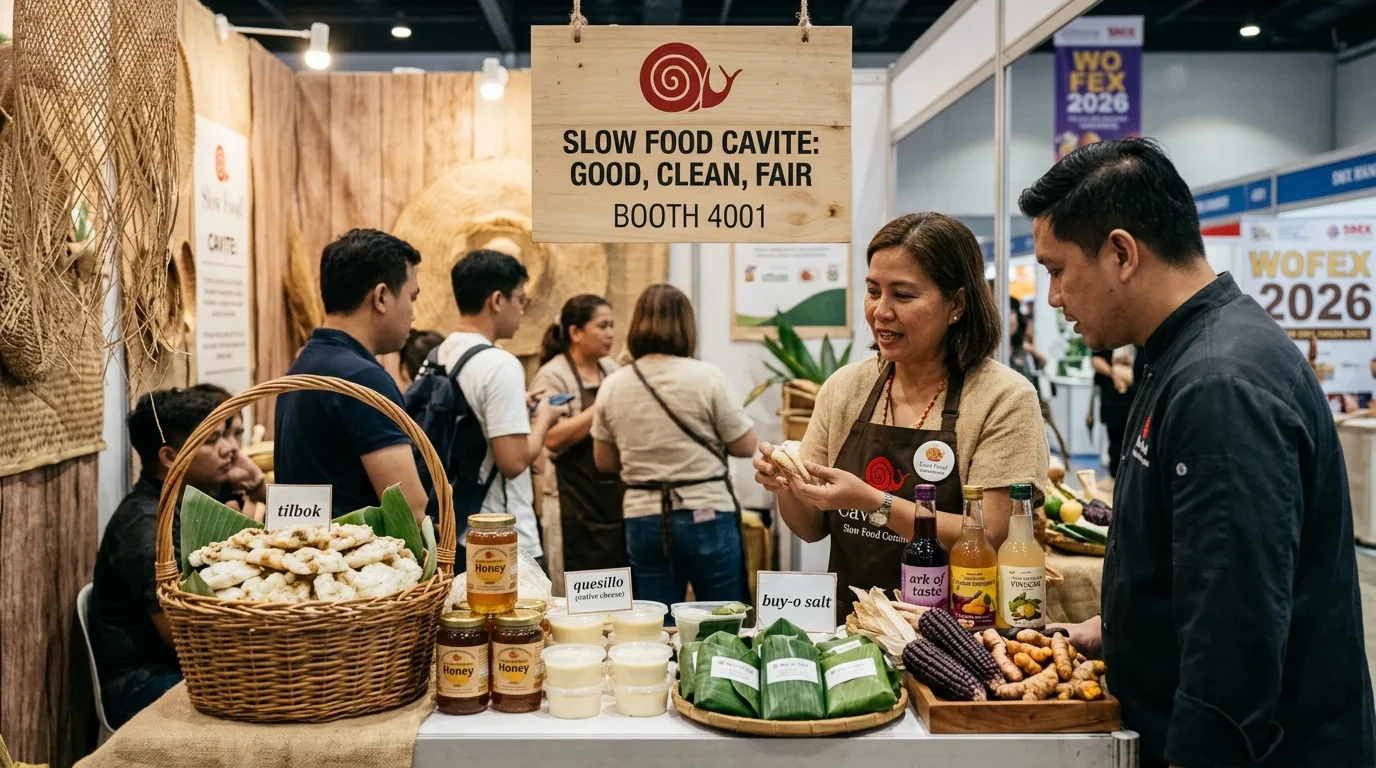
Cavite's Slow Food Community is exhibiting at WOFEX Manila 2026, featuring regional heritage food, local biodiversity, and traditional culinary demonstrations. This is a unique opportunity to discover the rich food traditions that define Cavite's culinary identity.
What to Expect at Booth 4001
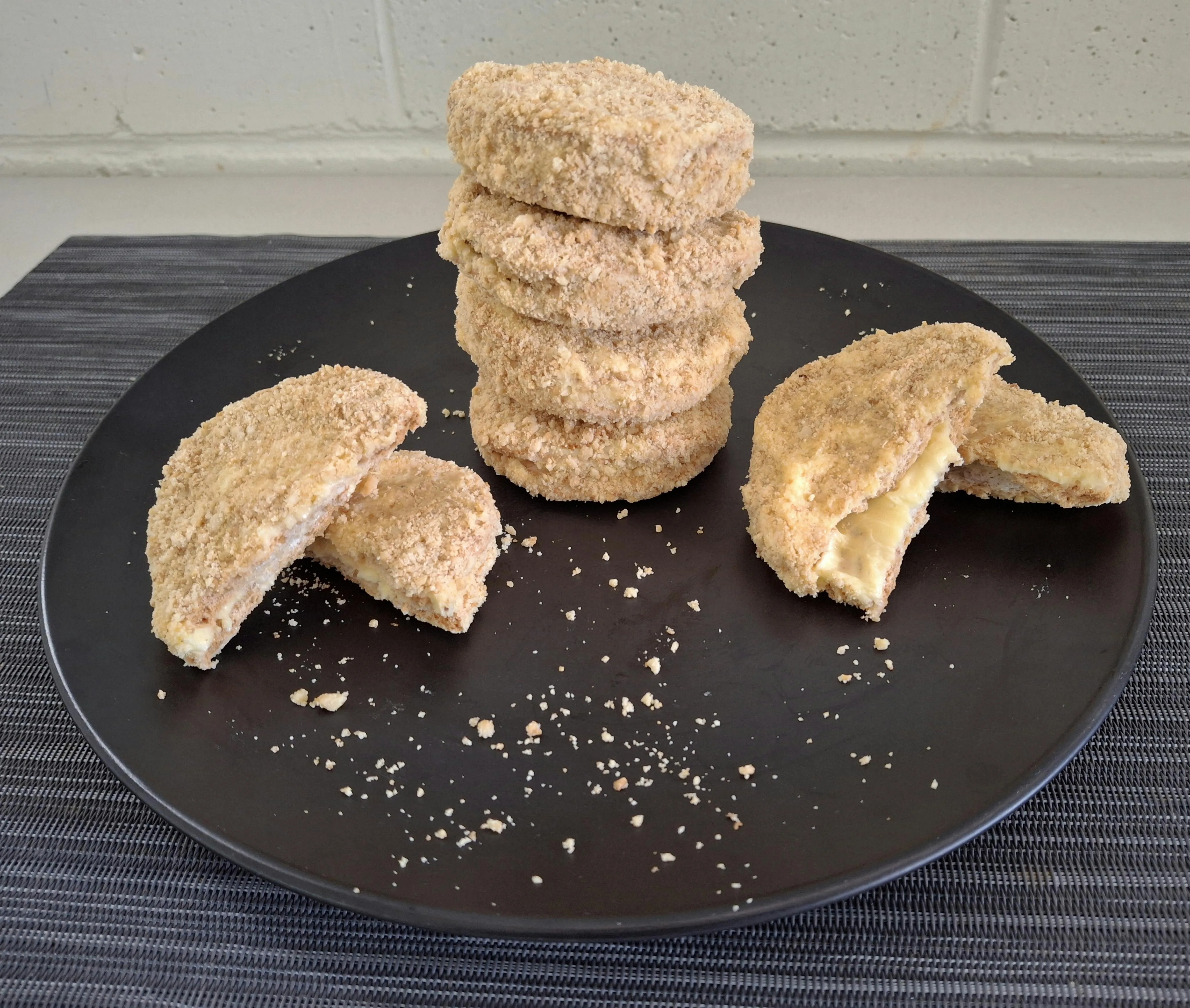
Heritage Tastings: Discover local products like quesillo (native cheese), tilbok (rice cake), and traditional regional salt. These are just a few examples of the endangered food products that the Slow Food movement works to protect through its Ark of Taste initiative, a catalog of ingredients that may soon be extinct if we stop using them .
Cultural Preservation: Learn how local farmers and producers protect Cavite's culinary history and food traditions. The Slow Food Community in Cavite has been instrumental in bringing farmers from lesser-known towns like Magallanes, Maragondon, and Indang to the forefront of the food industry . Advocates like Chef Rhea SyCip, Community President of Slow Food Cavite, have noted that WOFEX is the best platform for small farmers because it "brings the farm to them," allowing chefs and industry professionals to directly connect with producers and appreciate local products.
The Slow Food Philosophy in Cavite
The Slow Food movement, which originated in Italy and is celebrated globally on Terra Madre Day, advocates for food that is good, clean, and fair. This means food that is delicious and healthy, produced without harming the environment, and accessible at fair prices for both consumers and producers . Slow Food Cavite has been active in promoting local ingredients like kesong puti, honey from stingless bees, vinegar from palm or kaong, and artisanal salt called buy-o . The movement has also helped resurrect ingredients like adlai, batuan, native corn, and turmeric, which were once in danger of disappearing from Filipino tables. By showcasing Cavite's biodiversity at WOFEX 2026, the community aims to inspire consumers and chefs alike to appreciate and use local, heirloom ingredients that preserve both culture and nature.