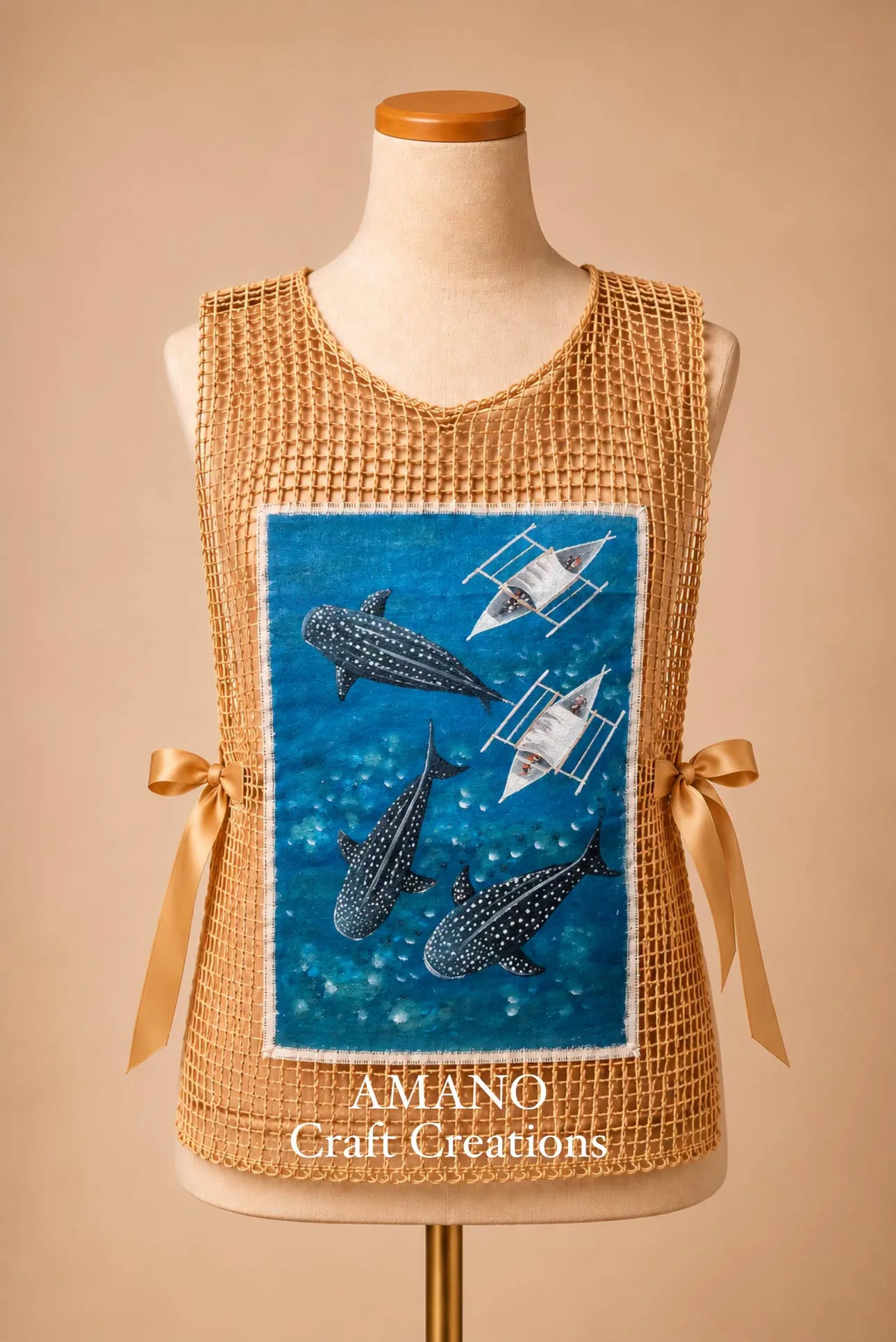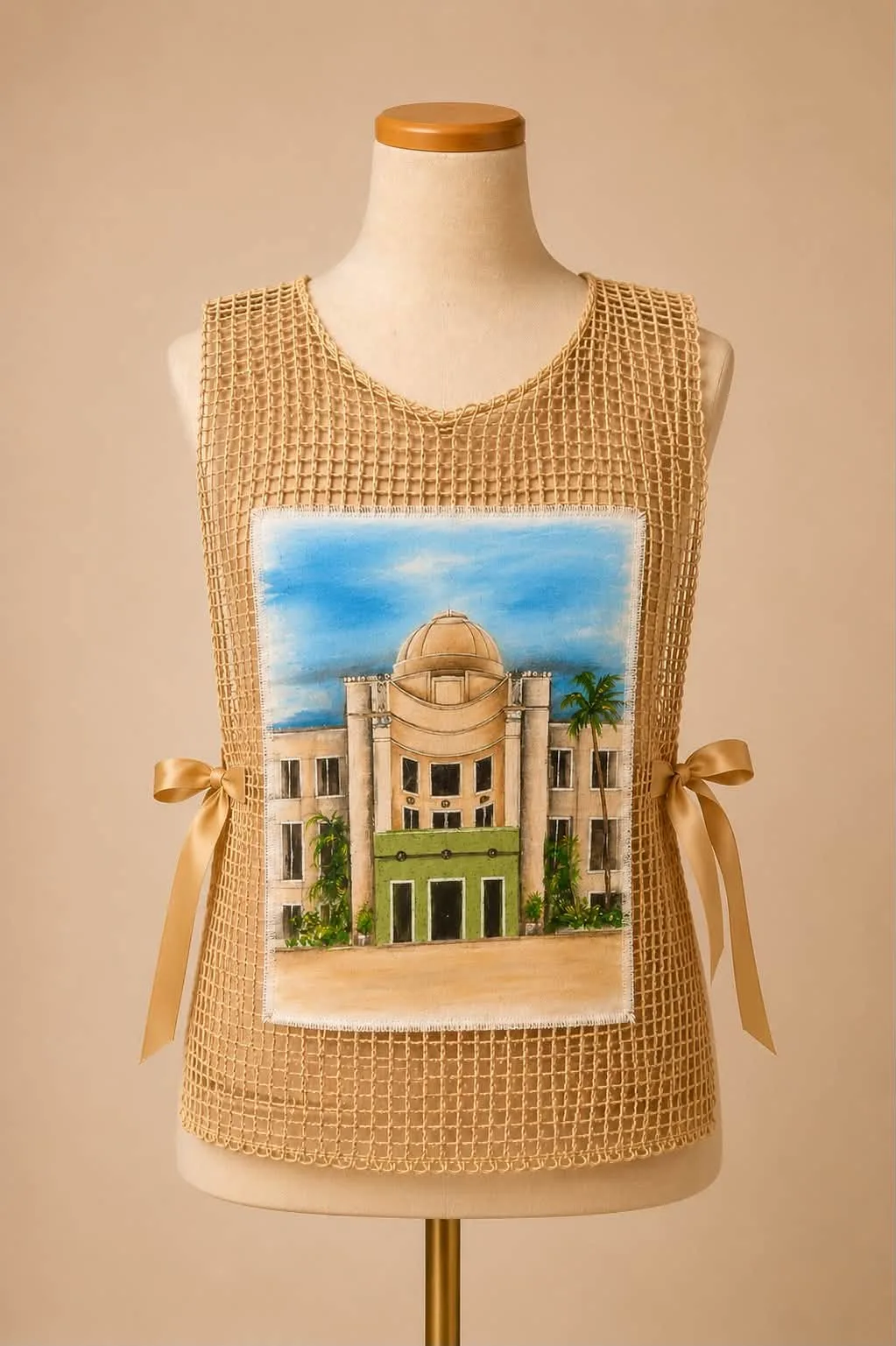
CEBU CITY — Cebuano fashion designer Dexter Alazas paid a courtesy visit to Governor Pamela Baricuatro at the Provincial Capitol, carrying a gift that captures the seat of Cebuano governance in fabric and paint. The presentation of a custom Mano‑Mano wearable art piece, part of his “Cebu Wear – Destination by Design” collection, transformed a routine call into a celebration of local artistry and heritage.
A Capitol Tribute in Hablon and Paint
The garment Alazas offered was more than a dress; it was a canvas. Hand‑painted on the fabric was the iconic neoclassical façade of the Cebu Provincial Capitol, rendered in exquisite detail. The work belongs to his “Cebu Wear – Destination by Design” series, which turns the province’s most treasured architectural landmarks and tourist destinations into wearable works of art.
The meeting, facilitated by Michael Acebedo Lopez, underscored the official recognition of Alazas’ role as a cultural ambassador. By presenting the piece directly to the governor, the designer bridged the gap between the local fashion community and the highest levels of Cebuano political leadership. The capitol, a symbol of public service and provincial pride, now also stands as an emblem of Cebuano creativity.
The Designer Who Found Gold in Threads
Alazas’ journey to becoming a champion of Cebuano heritage began far from the atelier. He initially studied nursing before pivoting to fashion design in the 1990s, driven by an early passion for beauty and form. His talent was recognized early when he won Best in Design at a 1994 Miss Cebu Tourism competition, launching a career that would eventually intertwine with social advocacy.
In 2007, a search for a distinctively Filipino material led him to Argao, Cebu, and the fading craft of Hablon weaving. He saw not just a textile but a lifeline for rural communities. He partnered with local weavers, government agencies, and academic institutions to revive the centuries‑old handloom tradition and give it new life on the fashion stage.
Two Hands, One Masterpiece
The “Mano‑Mano” philosophy, literally meaning “hand‑hand,” is the soul of Alazas’ work. The first hand belongs to the artisan weavers of Argao who painstakingly create the Hablon cloth on wooden looms. The second hand is that of Cebuano visual artists who meticulously hand‑paint each garment, rendering everything from native flora to historic buildings like the capitol.
This double‑handcrafting ensures that every piece is a unique, tangible record of Filipino skill. Alazas’ designs act as a bridge, connecting the weavers’ artistry to a broader audience and proving that heritage can be both preserved and worn. The garments are not mass‑produced; they are individual stories woven and painted into existence.
Heritage Woven into Every Thread
Beyond the beauty of the finished product lies a deep social commitment. The initiative provides a steady income for the women weavers of Argao, turning a traditional domestic skill into a viable livelihood. By creating a market for Hablon, Alazas ensures that younger generations see a future in the craft, safeguarding an intangible cultural treasure from extinction.
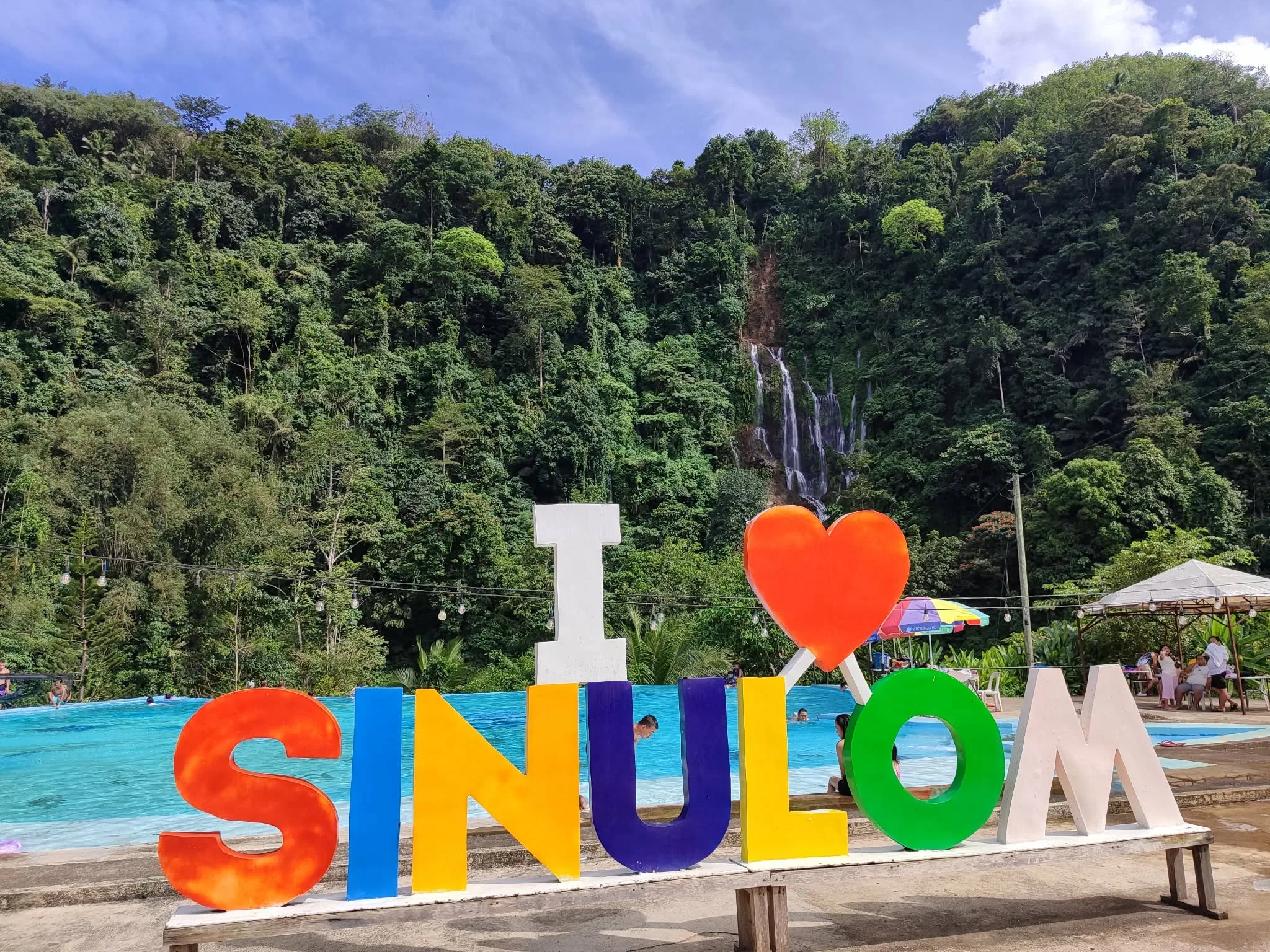
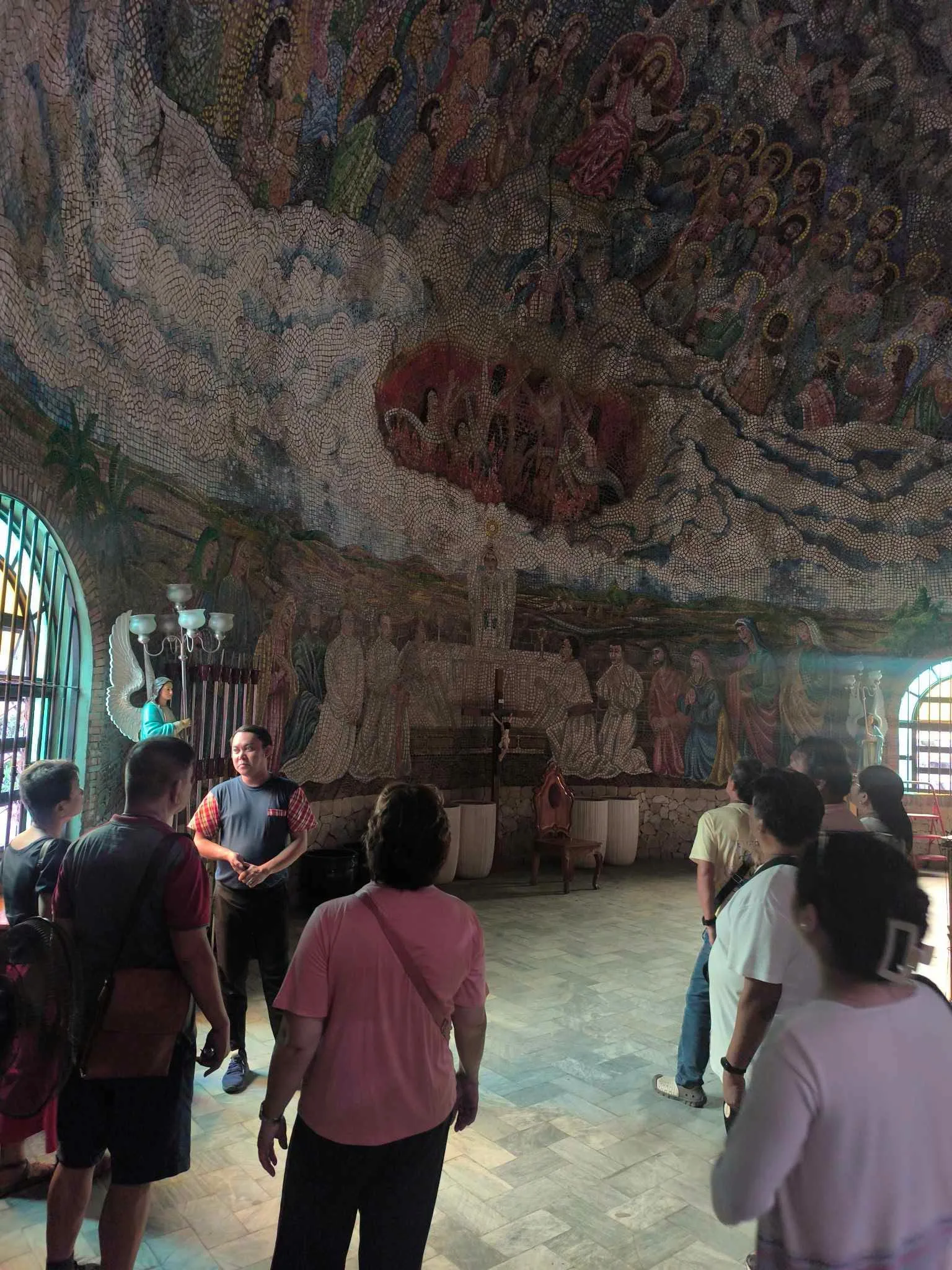
The Cebu Wear collection transforms iconic places—churches, beaches, and now the Capitol—into ambassadors that travel the world. Through fashion, Alazas invites everyone to celebrate Cebu’s identity, proving that the island’s rich history and enduring beauty are not just destinations to visit but can be stories to wear and share.