From Landfill Management to Resource Recovery
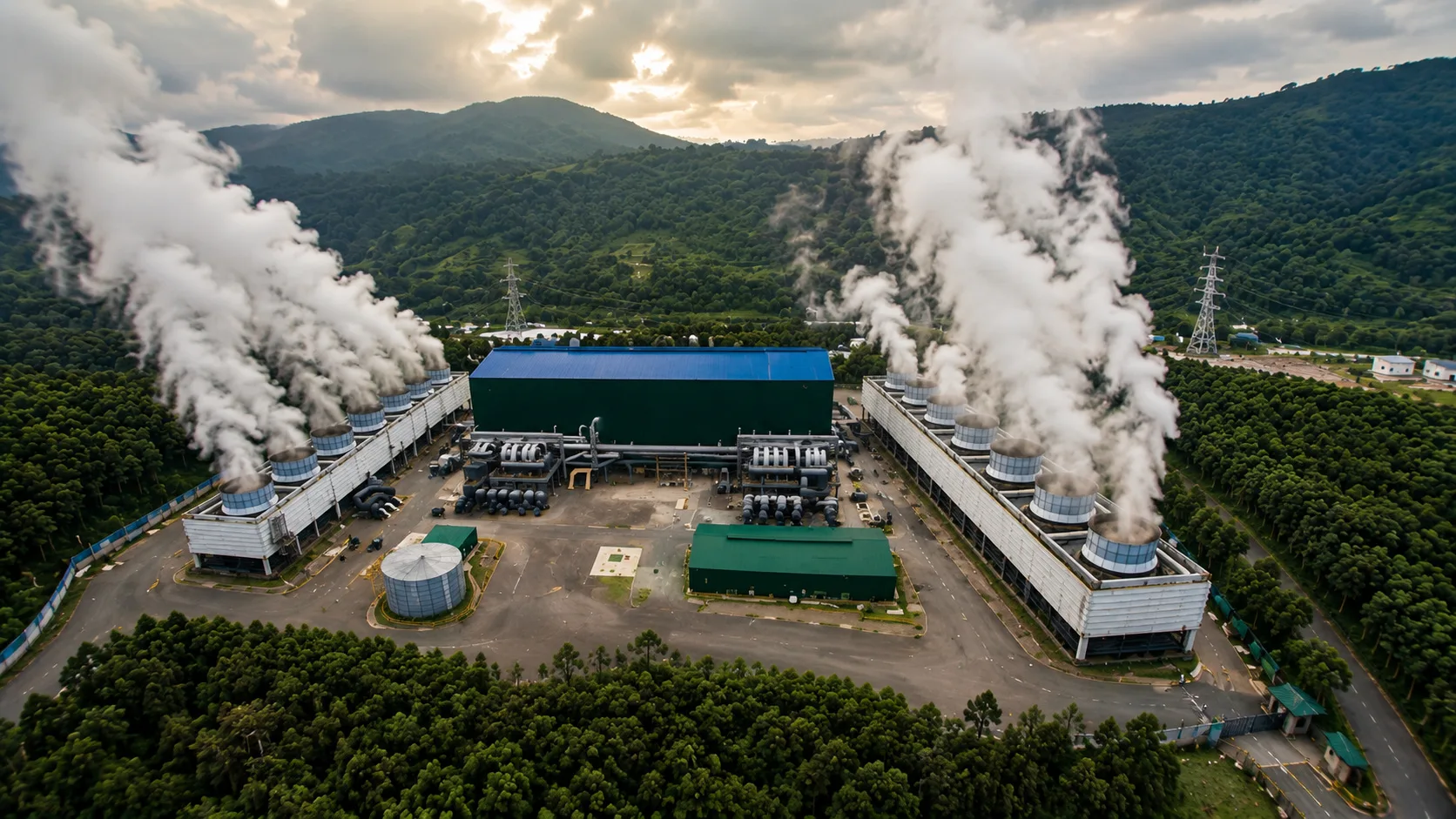
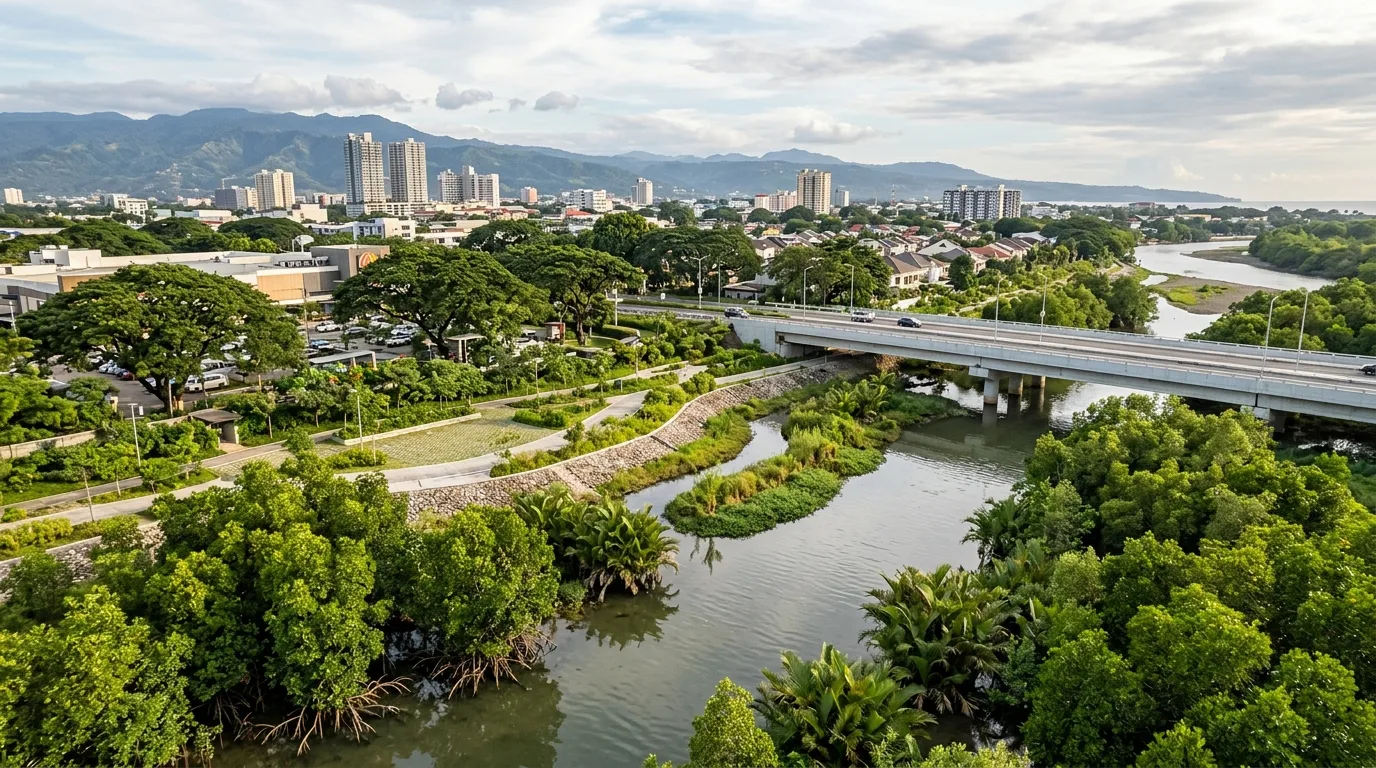
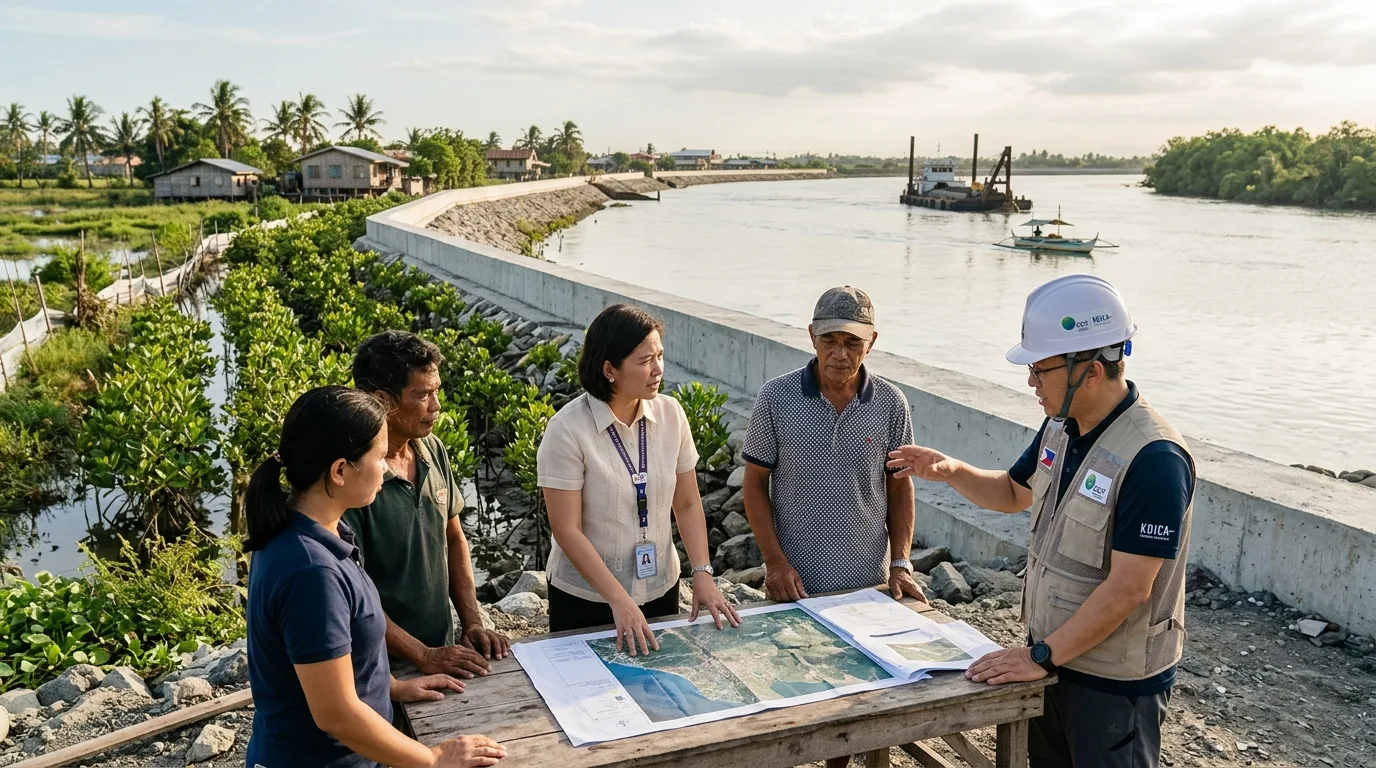
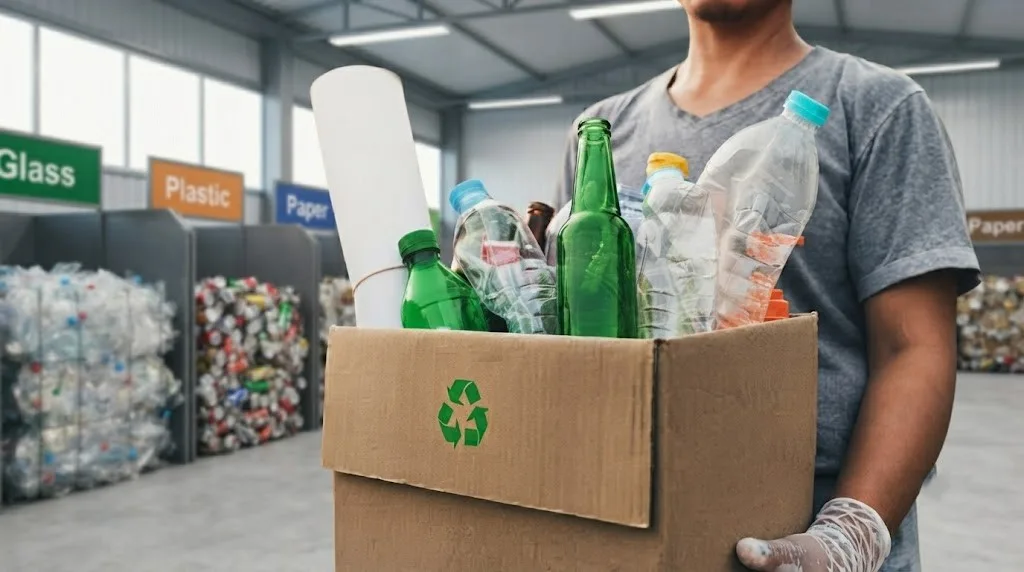
BACOLOD - Bacolod’s waste management efforts are moving toward a model that looks beyond traditional garbage disposal. The proposed Waste-to-Energy facility is planned within the city’s sanitary landfill area in Barangay Felisa, where authorities see an opportunity to convert waste challenges into a more sustainable system. The project forms part of the city’s wider solid waste management strategy, which aims to improve how collected materials are handled while exploring energy generation possibilities. The concept represents a major change in how urban communities think about waste. Instead of treating garbage as something with no remaining value, WTE programs attempt to recover usable energy from materials that would otherwise remain in disposal facilities. For a highly urbanized city like Bacolod, finding long-term solutions for increasing waste volumes is becoming increasingly important as population, businesses, and development continue to expand. Beyond environmental benefits, projects like this can influence how cities plan their future infrastructure. Waste management is closely connected with public health, flood prevention, land use, and overall city cleanliness. By investing in improved systems, Bacolod is addressing an issue that affects both daily life and future urban growth.
A Sustainability Project With Economic Potential
Environmental projects are often viewed only through the lens of conservation, but Bacolod’s WTE proposal also carries possible economic implications. The planned facility is expected to create opportunities connected to construction, operations, maintenance, and related services once developed. City officials have also highlighted potential benefits such as revenue opportunities and employment linked to the project. The initiative also fits into Bacolod’s broader investment direction. In June 2026, the city presented its “Bacolod 2030: Investing in a Circular, Resilient, and Inclusive Future” framework during discussions with the European Union-Philippines Green Economy Partnership, emphasizing sustainability as part of future economic planning. For businesses considering Bacolod as an investment destination, sustainability is becoming an increasingly important factor. Cities that develop better waste, energy, and environmental systems can become more attractive to companies looking for locations with long-term planning and responsible urban management.
Why This Matters for Bacolod’s Future Identity
Bacolod is widely recognized for its food culture, festivals, and welcoming atmosphere, but modern cities are increasingly defined by how they manage growth. Environmental infrastructure may not always be as visible as shopping centers, hotels, or tourism attractions, yet it plays a major role in maintaining a city’s quality of life. The Waste-to-Energy initiative adds another dimension to Bacolod’s development story. It shows how the city is exploring solutions that connect environmental responsibility with economic progress. While the project remains under development, it represents a direction toward integrating sustainability into urban planning rather than treating it as a separate concern. For future visitors, investors, and residents, projects like this reveal a changing Bacolod—one that continues to celebrate its heritage while preparing for the demands of a growing metropolitan area. Environmental planning may become one of the quieter factors that supports the city’s long-term appeal.