Don't Wait Until the Heat Becomes a Problem
BACOLOD - El Niño is not something Bacolod families need to fear, but it is a condition worth preparing for. PAGASA's October 7, 2026 advisory reports that a strong to very strong El Niño is present in the tropical Pacific and could continue through the first half of 2027, with its effects potentially reaching a peak before the end of 2026. The phenomenon increases the likelihood of below-normal rainfall, which can contribute to dry spells and drought in some areas, although periods of heavy rain can still happen when tropical cyclones or other rain-bearing weather systems pass through. For households in Bacolod, the practical response is to conserve water, pay attention to weather information, and prepare for periods when heat or reduced rainfall may affect everyday activities.
Turn Water-Saving Into a Household Habit
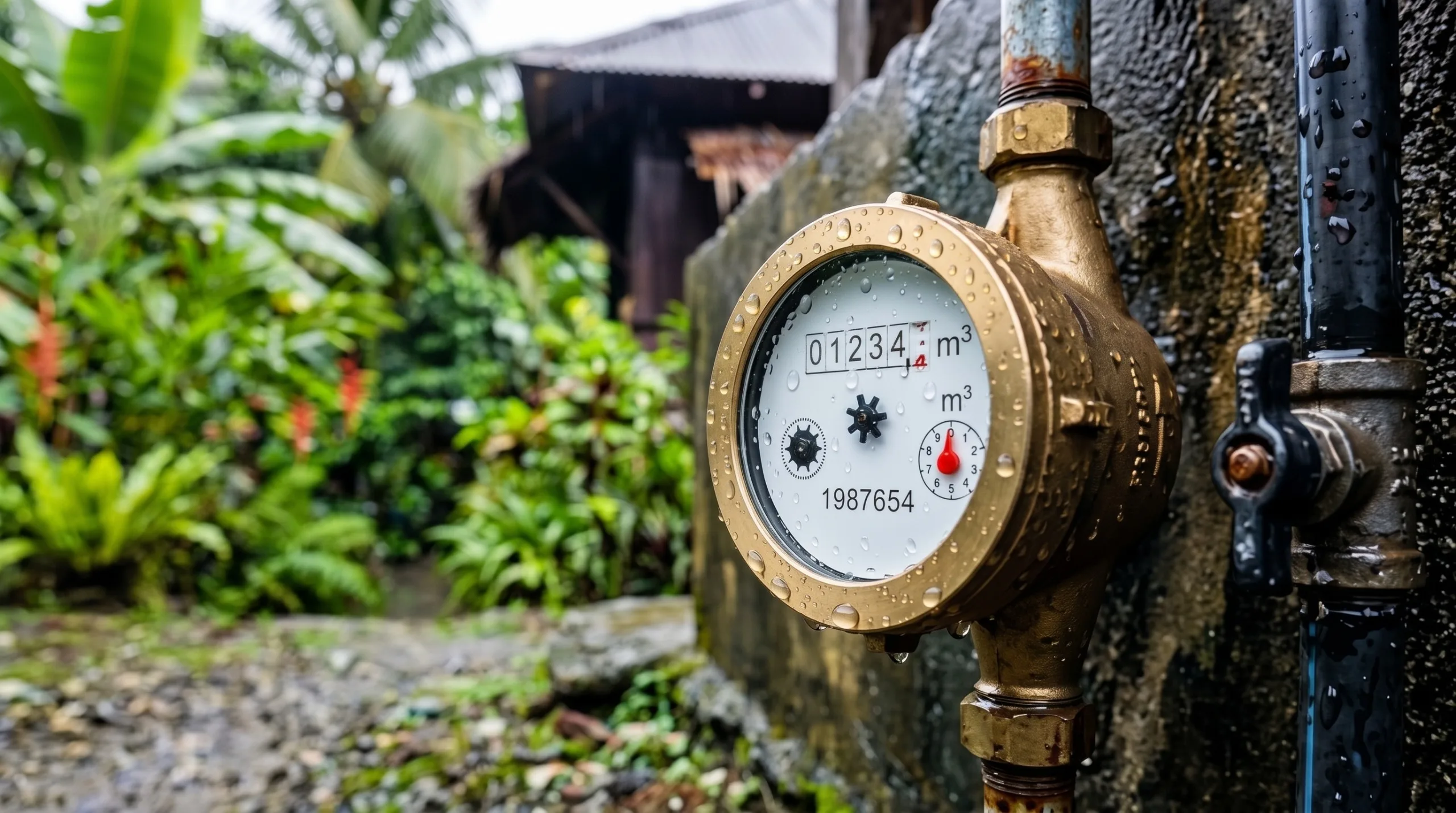
One of the easiest ways to prepare is to make every drop count before water becomes harder to manage. Families can repair leaking faucets and pipes, reuse suitable water for cleaning or gardening, avoid leaving taps running unnecessarily, and use only the amount needed for washing vehicles, dishes, and outdoor areas. Households that have safe and legal means of storing water can also review their containers, keeping them clean, covered, and ready for periods of reduced supply while following guidance from local authorities and water providers. PAGASA has previously advised climate-sensitive sectors to take precautionary measures during El Niño because below-normal rainfall can create pressure on water resources.
Prepare for Hotter Days Without Overlooking the Garden
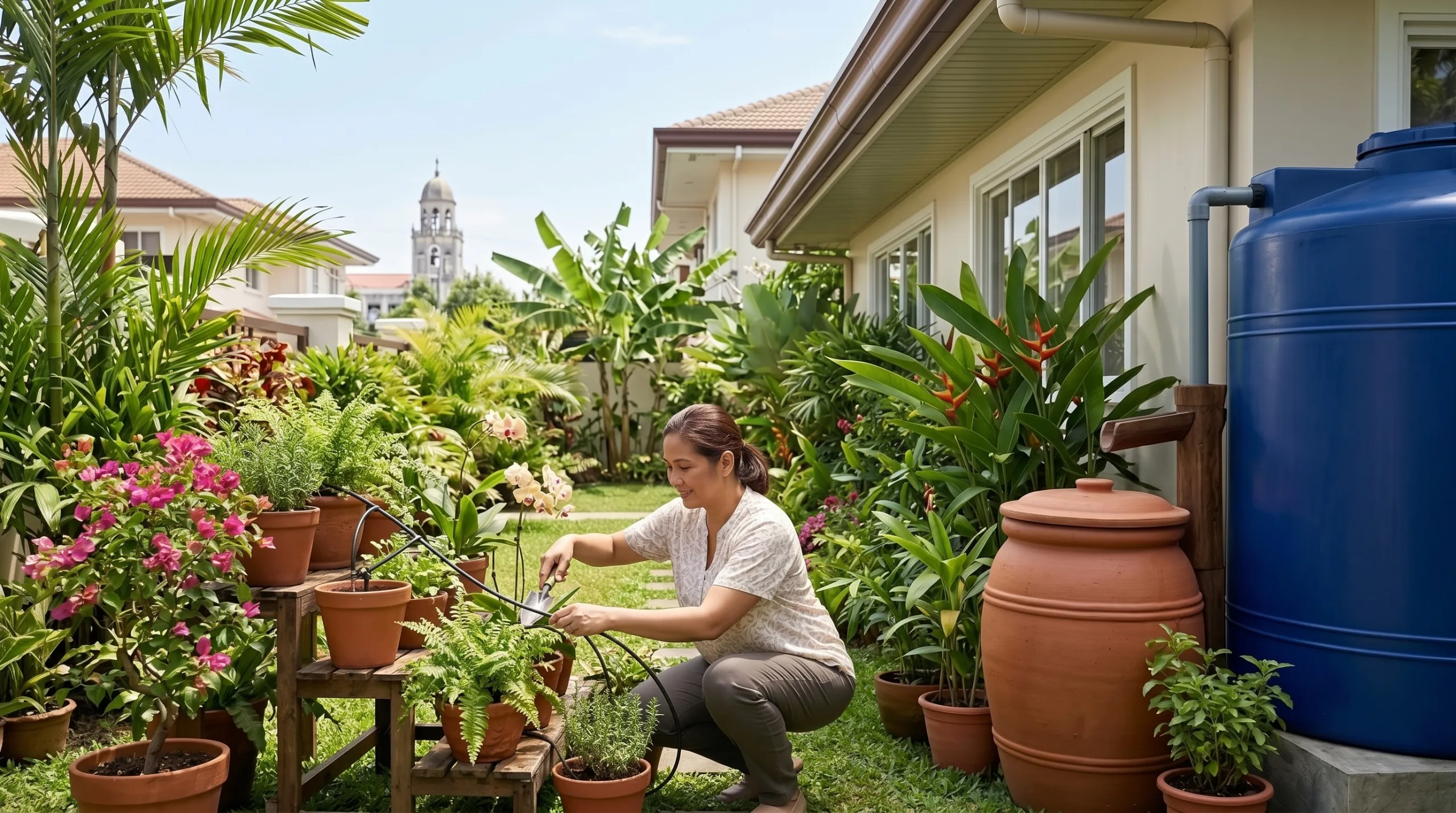
El Niño preparation also extends beyond the water tank and into the way homes handle heat. During particularly hot periods, residents can keep rooms well ventilated, use curtains or blinds to reduce direct sunlight, drink enough water, and limit strenuous outdoor activities during the hottest parts of the day. Home gardeners can prioritize plants that are suited to local conditions, apply mulch where appropriate to help retain soil moisture, and water plants efficiently rather than relying on frequent shallow watering. For households growing food, PAGASA's agricultural guidance has encouraged measures such as maintaining irrigation systems and considering drought-tolerant crops when El Niño conditions create increased risks for agriculture.