More Nourishment for Growing Minds
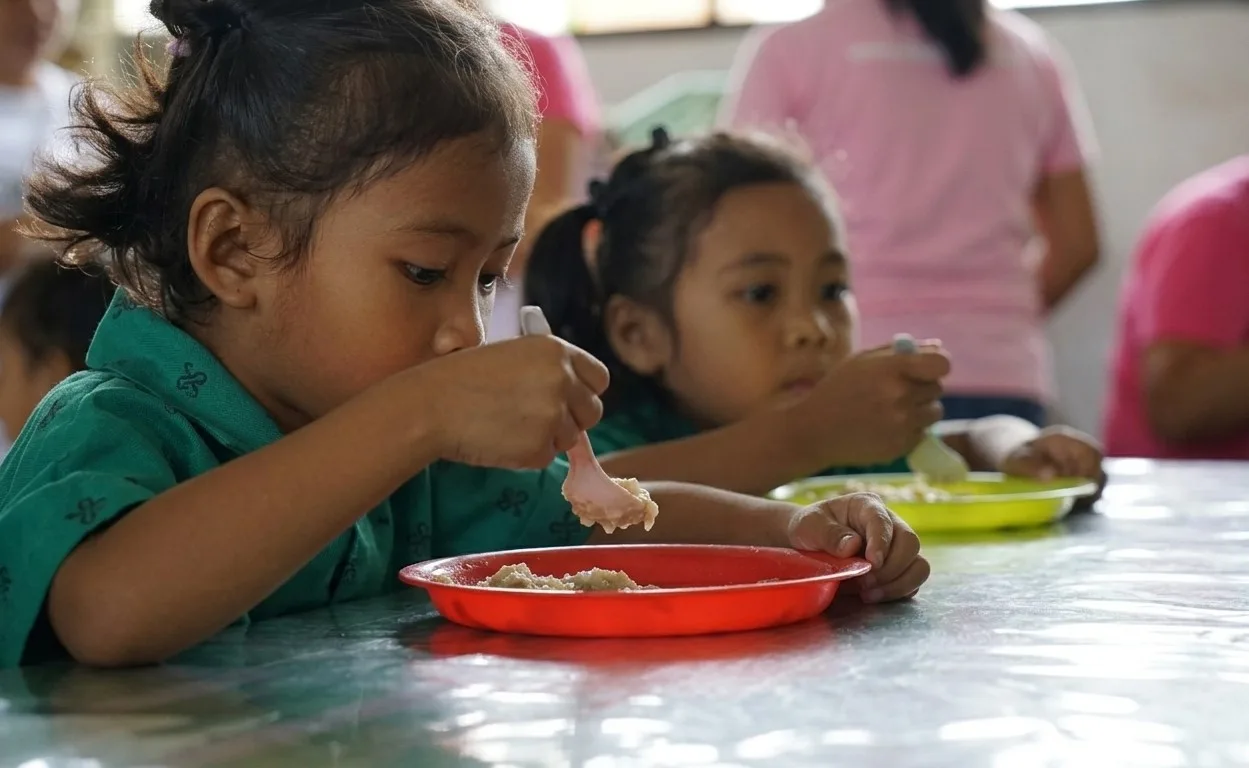
GENERAL SANTOS CITY- For young children, a nutritious meal can provide essential energy for play, interaction, and learning. The DSWD’s Supplementary Feeding Program provides food in addition to children’s regular meals, supporting those enrolled in child development centers and supervised neighborhood playgroups. In its February 2026 announcement, the agency reported an expansion of the program, including a longer feeding period of 180 days. The initiative is intended to help address undernutrition while supporting children during a formative stage of their development. For families in General Santos City, the continued promotion of supplementary feeding brings attention to the connection between children's nutritional needs and their participation in early learning activities.
Making Mealtimes Part of Early Childhood Care
A feeding program involves more than placing food on a child’s plate. The DSWD describes supplementary feeding as part of the government’s Early Childhood Care and Development efforts, with nutrition and children’s well-being at the center of its objectives. Its nationwide program also works alongside local government units in delivering meals to eligible children enrolled in child development centers. Proper implementation, suitable food choices, and attention to children’s nutritional needs are important considerations in this work. These elements make feeding sessions a practical part of early childhood care rather than an activity separate from a child’s development.
A Shared Role in Children’s Well-Being
The continued promotion of supplementary feeding in General Santos City also offers an opportunity to recognize the people who help make child care work each day. Day care workers, parents, caregivers, and program implementers all have roles in supporting children’s eating habits and general welfare. Families can complement feeding initiatives by offering varied, nutritious food at home and encouraging healthy mealtime routines. At the community level, coordination between child development centers and relevant social welfare and health services can help ensure that children who need additional support are identified. Together, these efforts reinforce a simple but important principle: nurturing young children includes caring for both their learning and their nutritional needs.