The Kitchen Becomes a Place for Passing Down Traditions
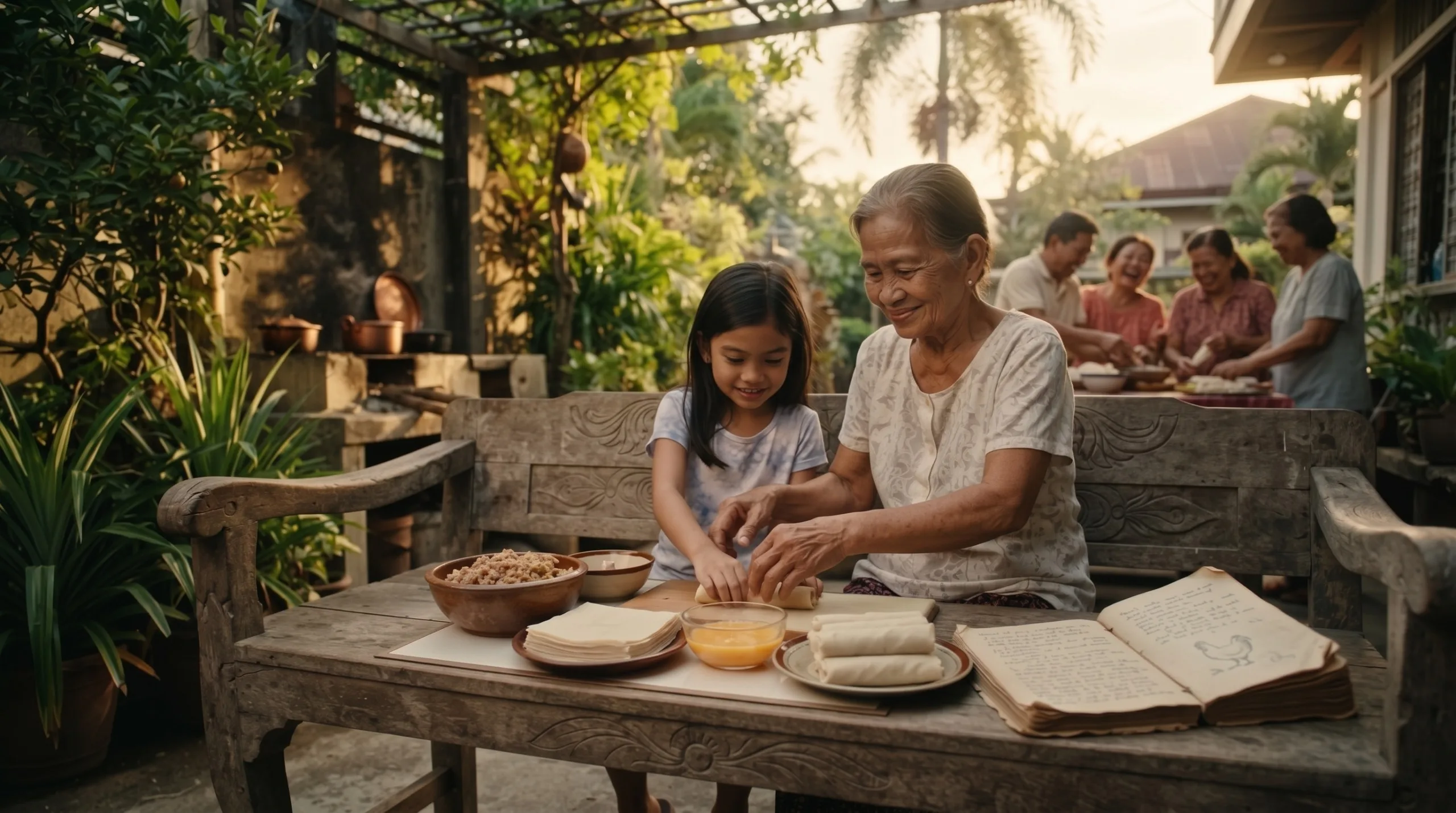
BACOLOD - Many family recipes survive because younger relatives learn by watching parents, grandparents, aunts, and uncles prepare familiar dishes. Cooking together during birthdays, reunions, fiestas, and holiday gatherings gives younger family members opportunities to observe techniques that may never have been written down. In Bacolod and nearby communities, recipes for traditional soups, savory dishes, and homemade delicacies can carry distinctive family preferences, from the balance of seasonings to the length of time a dish simmers. These shared experiences help preserve not only the taste of a meal but also the memories associated with preparing and enjoying it.
Written Recipes Help Keep Family Favorites Alive
Some families preserve their culinary traditions through handwritten notebooks, old recipe cards, personal cookbooks, and notes tucked into kitchen drawers. Others record measurements and cooking demonstrations on their phones, making it easier for relatives living elsewhere to recreate familiar dishes. These methods can help preserve recipes even when younger generations move to different cities or have fewer opportunities to cook alongside older relatives. Negros Occidental's Halin sa Kusina cookbook project reflects a similar effort to document food stories and heirloom recipes so they can be shared with future generations. Recording ingredients, preparation methods, and the stories behind each dish can help prevent treasured family recipes from being forgotten.
Traditional Food Connects Family Memories With Local Heritage
Family recipes also contribute to the wider culinary identity of Bacolod and Negros Occidental. Traditional rice cakes such as alupi, ibos, and bot-ong, along with well-known Negrense dishes, demonstrate how ingredients, preparation methods, and food customs become part of community life. Local heritage publications and culinary initiatives help document these traditions beyond individual households, allowing residents and visitors to learn about the region through its food. Whether a recipe is prepared for a Sunday lunch in Villamonte, a family gathering in Mandalagan, or a celebration in a nearby Negros Occidental town, its continued use keeps a connection between generations. Preserving these recipes does not mean every detail must remain unchanged; families can adapt to available ingredients and modern kitchens while retaining the flavors and stories that make their dishes meaningful.