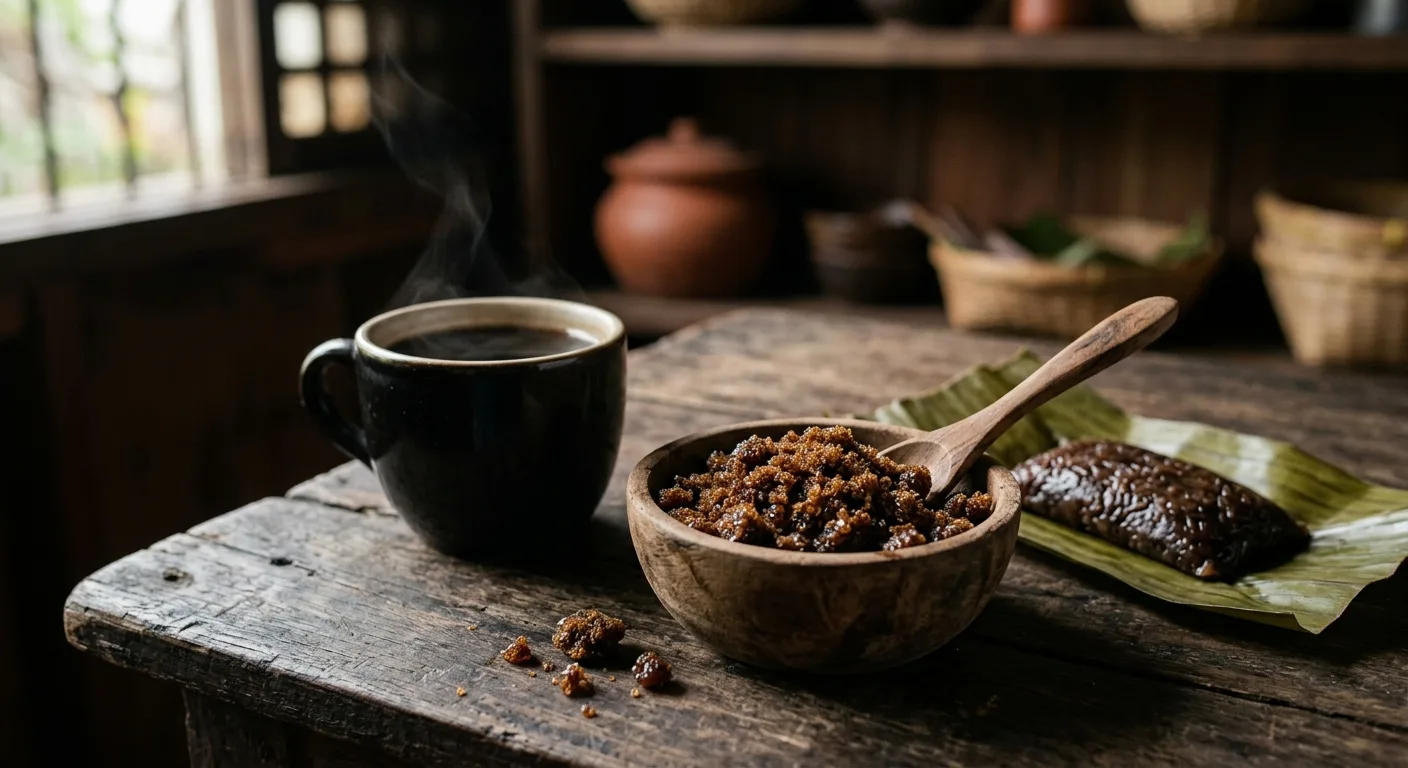
A Chocolate Drink With a Mindanao Twist
OZAMIZ CITY - Koter may sound like an ordinary chocolate drink until its key ingredient enters the picture: tuba, or fermented coconut sap. Cultural mapping work documenting Labo in Ozamiz City specifically identifies “koter” as tuba with chocolate and places it within the setting of traditional community gatherings. That detail makes the drink more than a curious recipe; it provides a glimpse into how food and drinks once accompanied social occasions in the community. The combination also fits a wider Mindanao tradition of turning locally available ingredients into distinctive refreshments, giving koter a character that would be difficult to capture through a standard café-style chocolate beverage.
Why Tuba Gives Koter Its Character
The personality of koter begins with tuba, a drink produced from coconut sap that has been part of Filipino food traditions for generations. In March 2026, the Philippine Information Agency featured kinutil in Davao, describing a related preparation that combines tuba with chocolate, egg, and milk and noting its appeal to both local and foreign visitors. While kinutil and the Ozamiz-documented koter should not be treated as exactly the same recipe, their shared use of tuba and chocolate points to a broader regional food tradition. For Ozamiz, that connection offers an interesting reminder that coconut products can appear in Filipino cuisine in forms far beyond familiar juice, vinegar, or cooking ingredients.
A Drink Worth Remembering, Not Just Drinking
What makes koter particularly interesting for Ozamiz is the story attached to the glass. The available cultural record places it alongside traditional foods such as bread, rice cakes, and suman during social gatherings, suggesting that the drink was part of a larger experience of hospitality rather than something consumed in isolation. Today, traditional food stories like this can give residents and visitors another reason to look closely at the city's culinary heritage and ask where familiar ingredients came from and how older recipes were enjoyed. Koter therefore works as a small but memorable piece of Ozamiz's food identity—one that connects coconut, chocolate, community, and memory.