Look Closer and Nature Appears
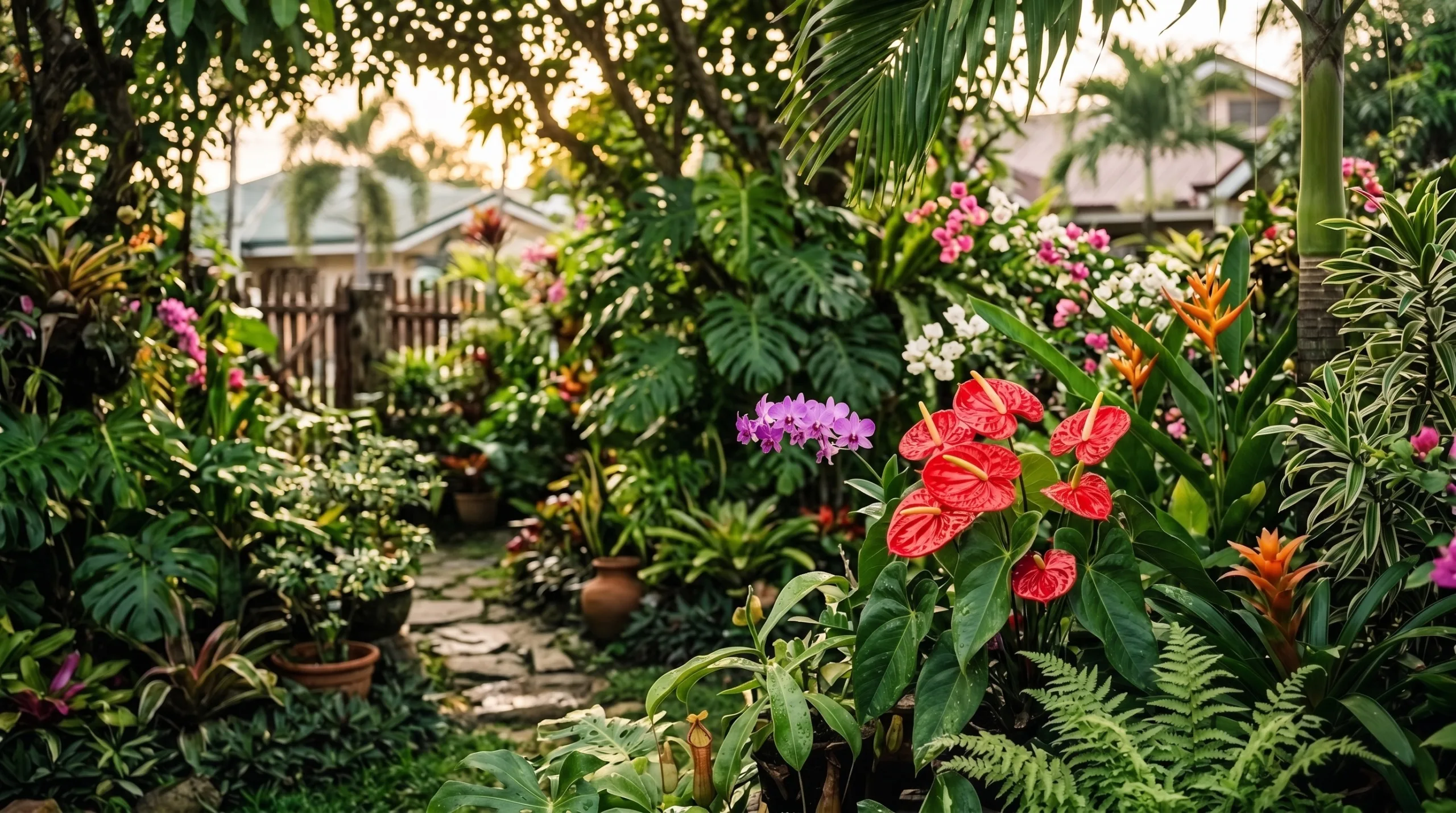
BACOLOD - The signs of biodiversity can be easy to overlook because they are part of ordinary surroundings. A tree outside a home may provide a resting place for birds, while flowering plants can attract bees, butterflies, and other pollinators. Small gardens, vacant green areas, drainage channels, and vegetation along streets can also provide food and shelter for different organisms. Even insects that people rarely notice can play important roles in pollination, decomposition, and the wider urban ecosystem. What appears to be an ordinary neighborhood can therefore contain a surprising variety of life.
Small Green Spaces Can Matter
Wildlife does not always need a large forest to find something useful. A collection of trees, gardens, planted sidewalks, and other green areas can create small pockets of habitat within developed communities. Keeping vegetation healthy and avoiding unnecessary removal can help preserve these spaces. Choosing plants that provide flowers, fruits, seeds, or shelter can also make residential areas more welcoming to wildlife. When these small habitats are spread throughout a neighborhood, they can contribute to a more connected urban environment where different species have more opportunities to find food and shelter.
Residents Can Help Protect Urban Nature
Discovering biodiversity close to home can change the way people see their surroundings. Instead of viewing every insect, bird, or plant simply as something occupying space, residents can begin to recognize how different species contribute to the environment. Simple actions such as maintaining plants, protecting mature trees where appropriate, keeping waterways and surroundings free of waste, and avoiding harmful practices can make neighborhoods friendlier to nature. Bacolod's biodiversity is not limited to distant forests or protected areas—it can also be found quietly outside homes, along streets, and in the green corners people pass every day.