A Coastal Forest Begins With the Right Planting Site
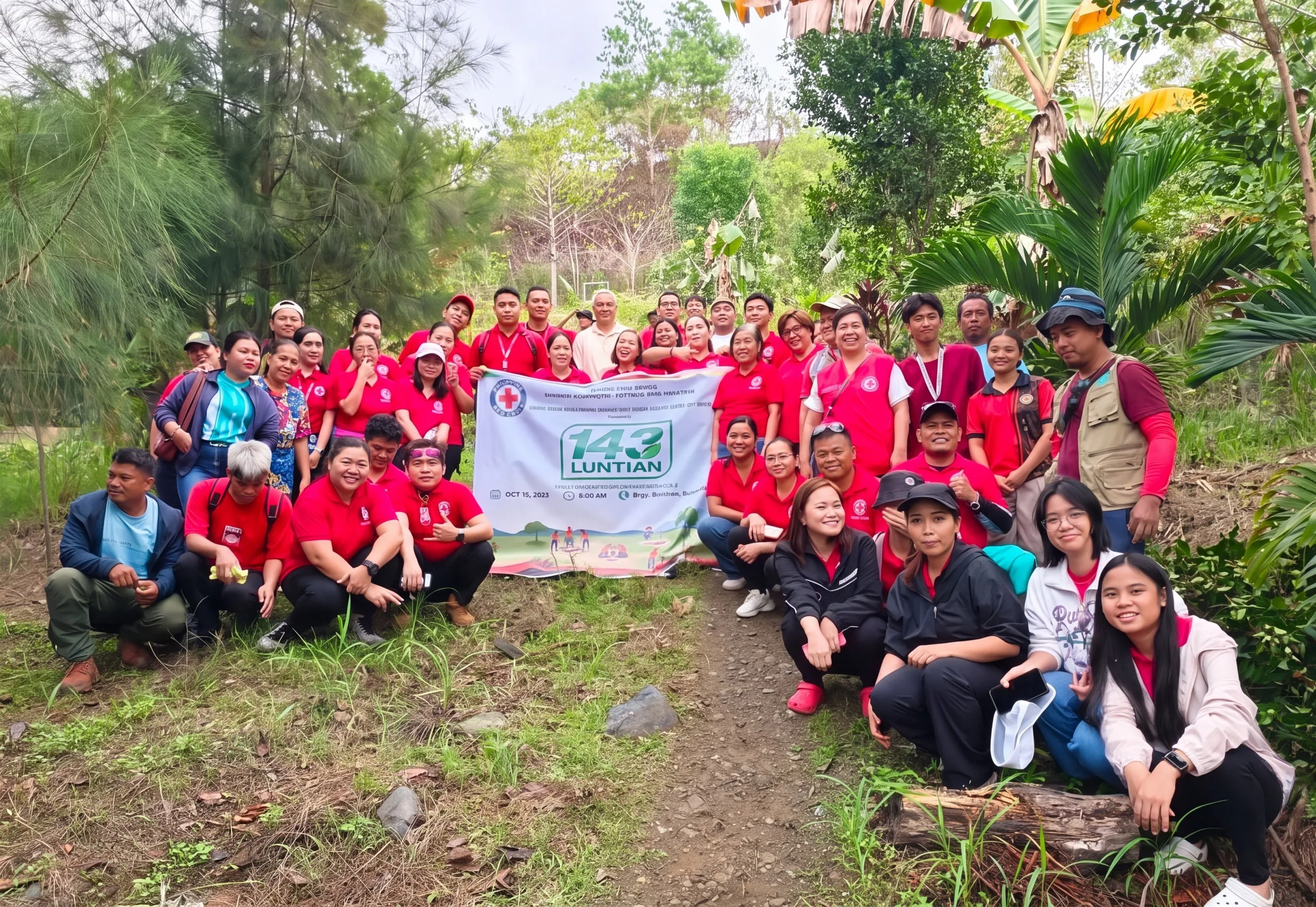
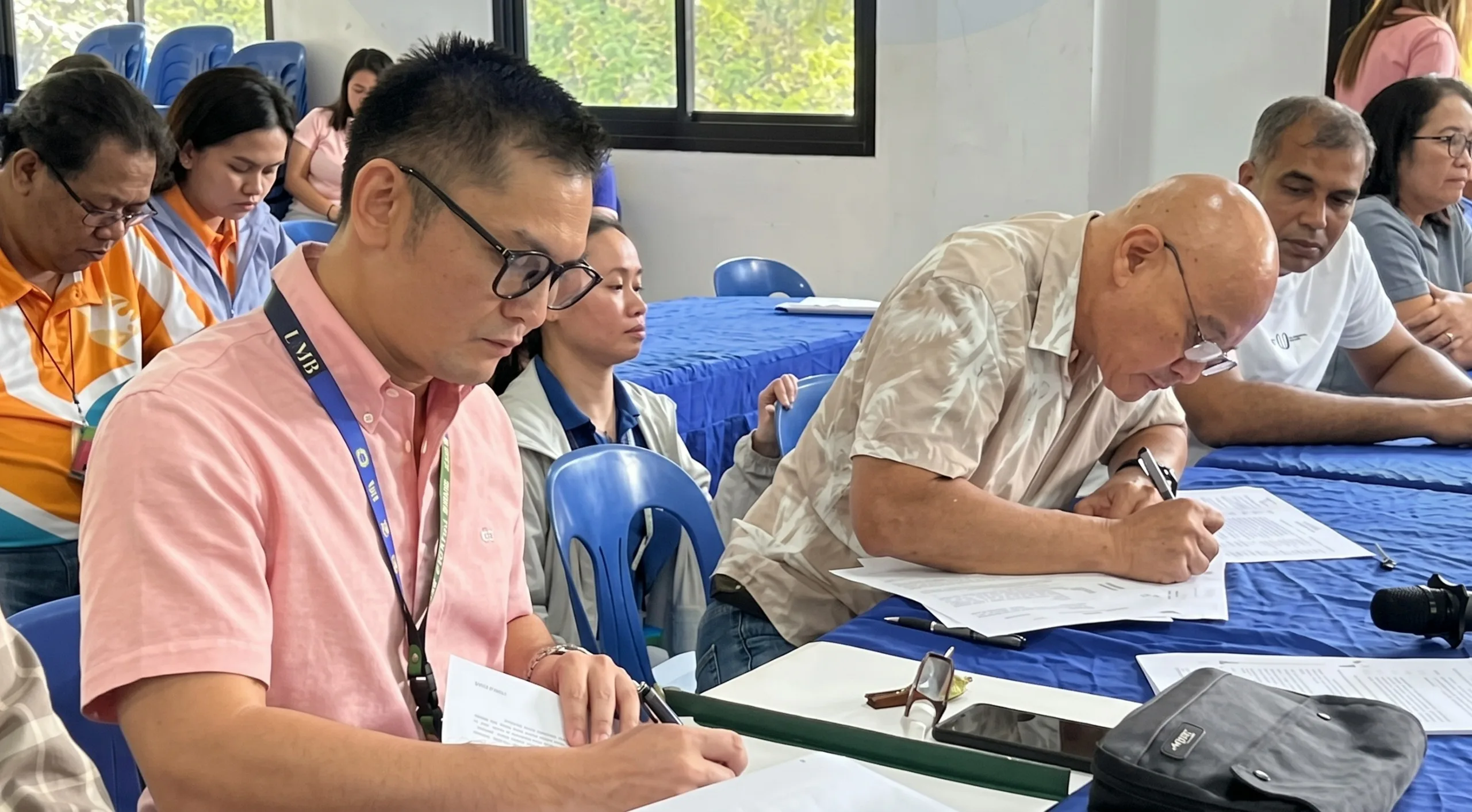
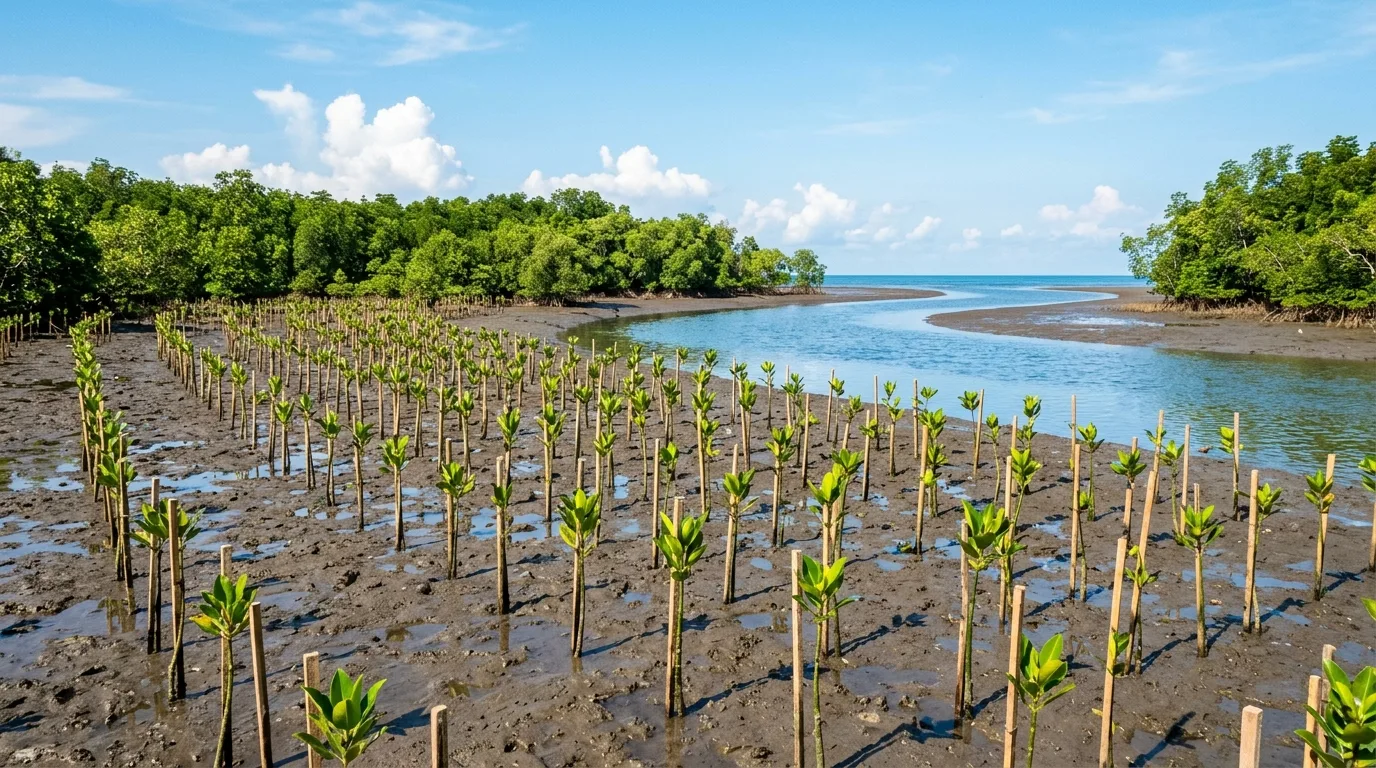
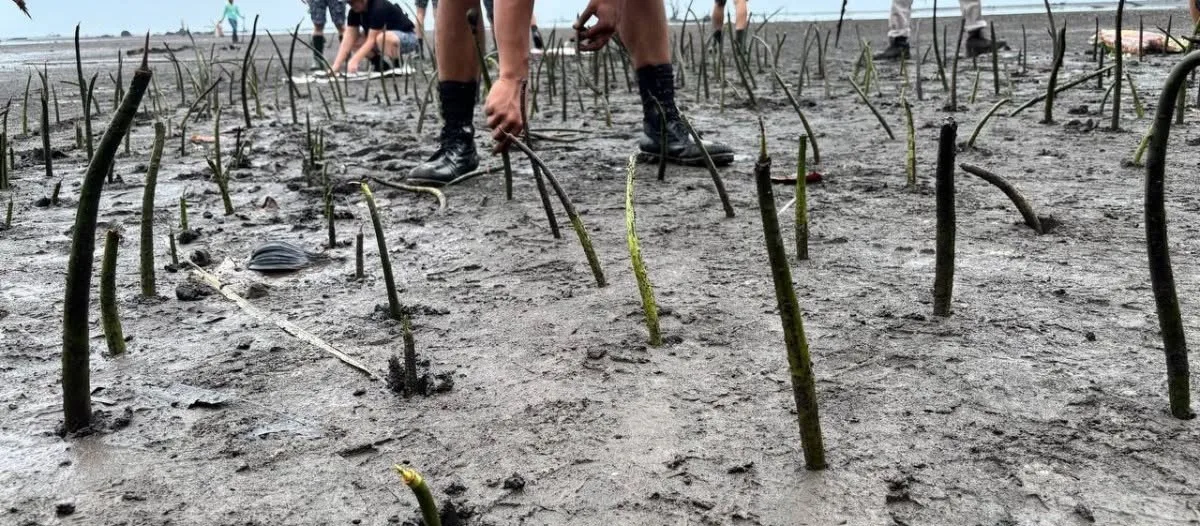
OZAMIZ CITY- On April 17, 2026, DENR-CENRO Ozamiz spearheaded a mangrove-growing activity in Barangay Mialen, Clarin, in partnership with Misamis University and participating organizations. The university reported that nearly 10,500 mangrove propagules were involved in the Earth Month initiative, which brought together university representatives and other participants. Although the activity took place in Clarin rather than Ozamiz City proper, the involvement of CENRO Ozamiz connects the effort to environmental work coordinated from the city. The project highlighted coastal restoration as a shared responsibility that reaches beyond municipal boundaries.
Why Mangroves Matter Beyond the Shoreline
Mangrove roots create habitat for marine organisms and provide sheltered areas used by fish and other coastal species. Their root systems can also help stabilize suitable shorelines, although the degree of protection depends on factors such as forest width, species, water conditions, and coastal geography. Mangroves store carbon in their vegetation and waterlogged soils, making healthy forests relevant to broader climate-mitigation efforts. These benefits are strongest when restoration matches the natural conditions of the site rather than treating planting numbers alone as a measure of success.
Planting Day Is Only the Beginning
A mangrove-growing project needs attention after the volunteers leave, because young plants may be affected by unsuitable locations, changing water levels, debris, and other environmental pressures. The Philippine Information Agency reported in July 2026 that environmental officials in Bohol advised groups to have proposed planting sites assessed and to avoid seagrass beds where mangroves do not naturally belong. That guidance is relevant to coastal restoration across the country: the appropriate species and planting area should be determined before work begins. For Ozamiz and the wider Misamis Occidental coastline, careful site selection, monitoring, and protection of existing mangrove stands are important parts of keeping restoration efforts useful over time.