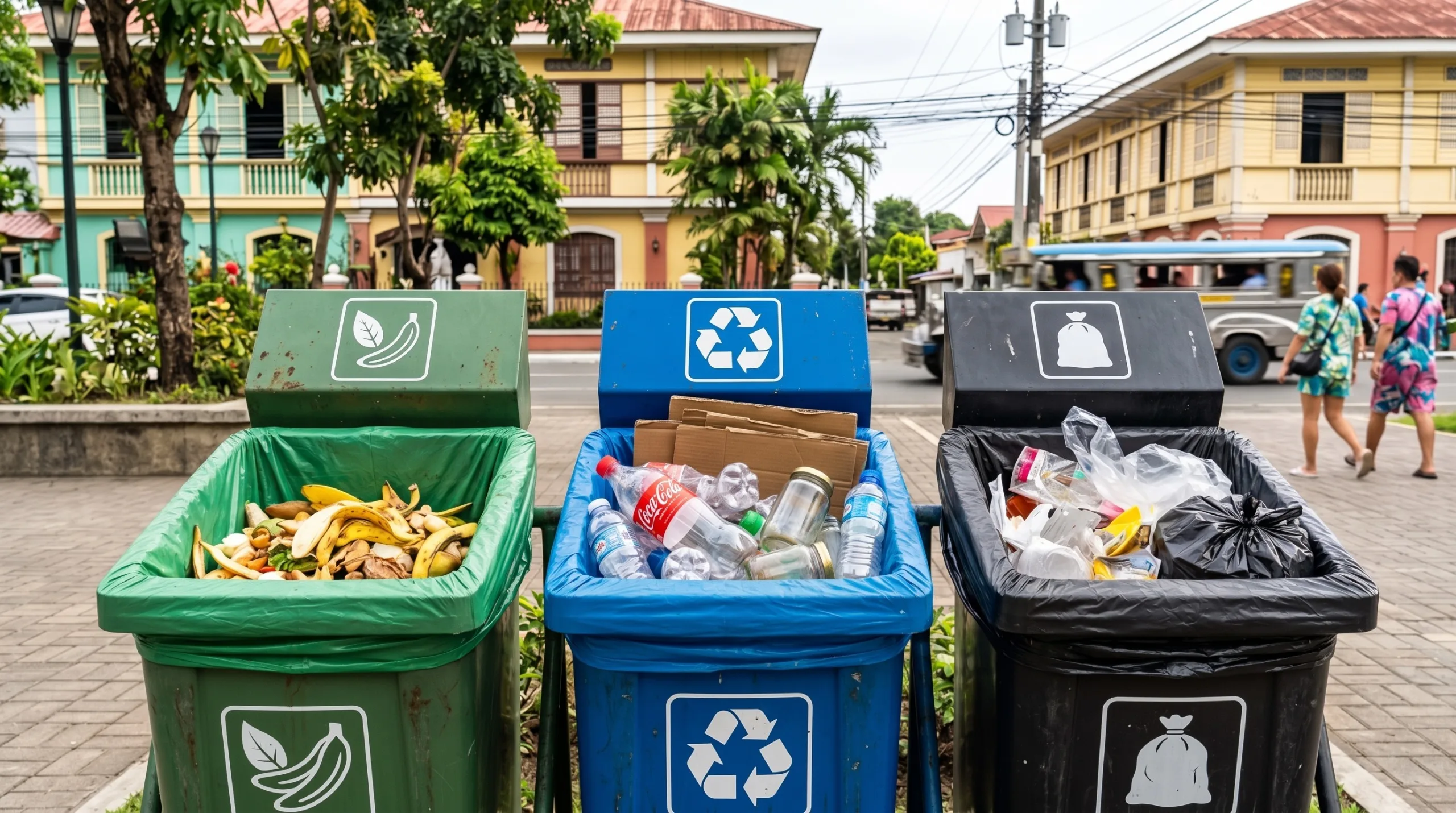
Make Waste Management Part of Your Routine
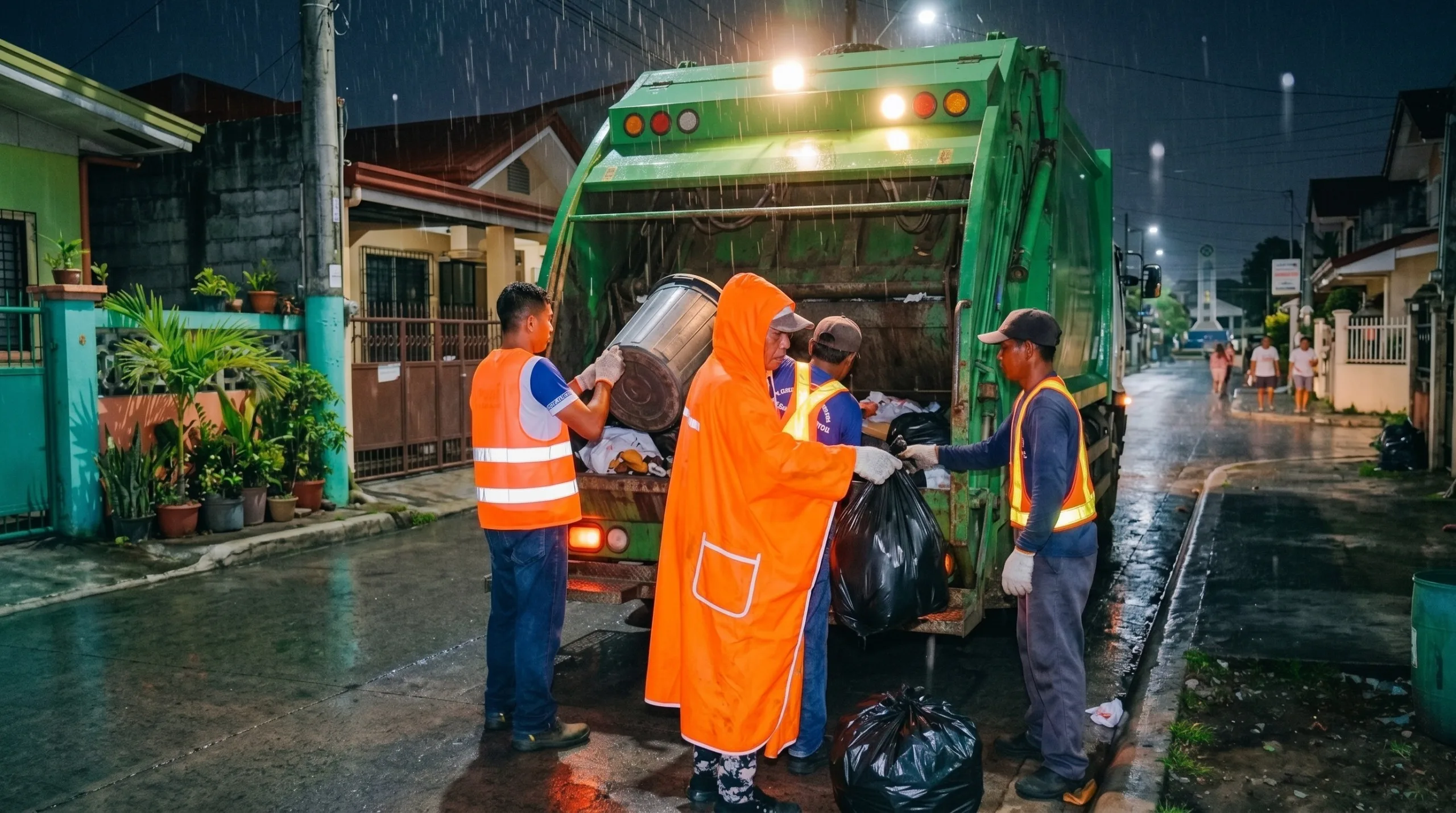
BACOLOD - Keeping a neighborhood clean starts with what households do every day. Residents can separate biodegradable waste, recyclable materials, and residual garbage according to their local collection rules, while keeping trash in secure containers until collection day. Reusable shopping bags, refillable water bottles, and food containers can also reduce the amount of disposable packaging entering the waste stream. Under the Philippines' Ecological Solid Waste Management Act, waste segregation and responsible disposal are important parts of community waste management, making these everyday practices useful contributions to a cleaner residential environment.
Keep Shared Spaces Clean and Considerate
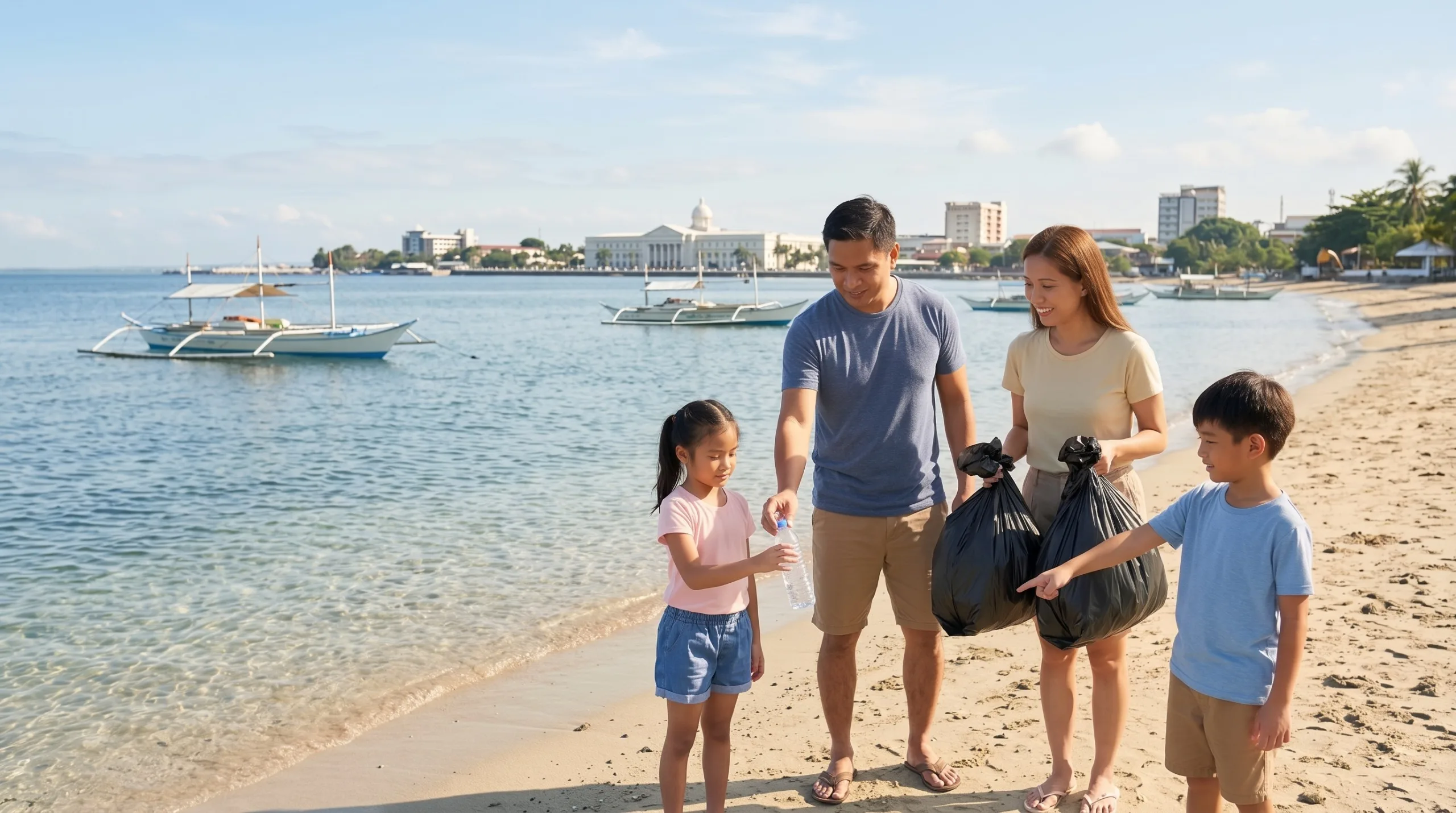
Sidewalks, drainage channels, vacant lots, and communal areas affect the appearance and comfort of an entire neighborhood. Residents can help by picking up litter when it is safe to do so, keeping household waste away from waterways, and avoiding practices that block drainage or create unpleasant odors. Pet owners should clean up after their animals, while households doing repairs or gardening should make sure loose materials and soil do not spill onto public pathways. Simple actions become more effective when neighbors communicate respectfully and report persistent dumping or sanitation problems to the appropriate local authorities.
Turn Individual Effort Into Community Progress
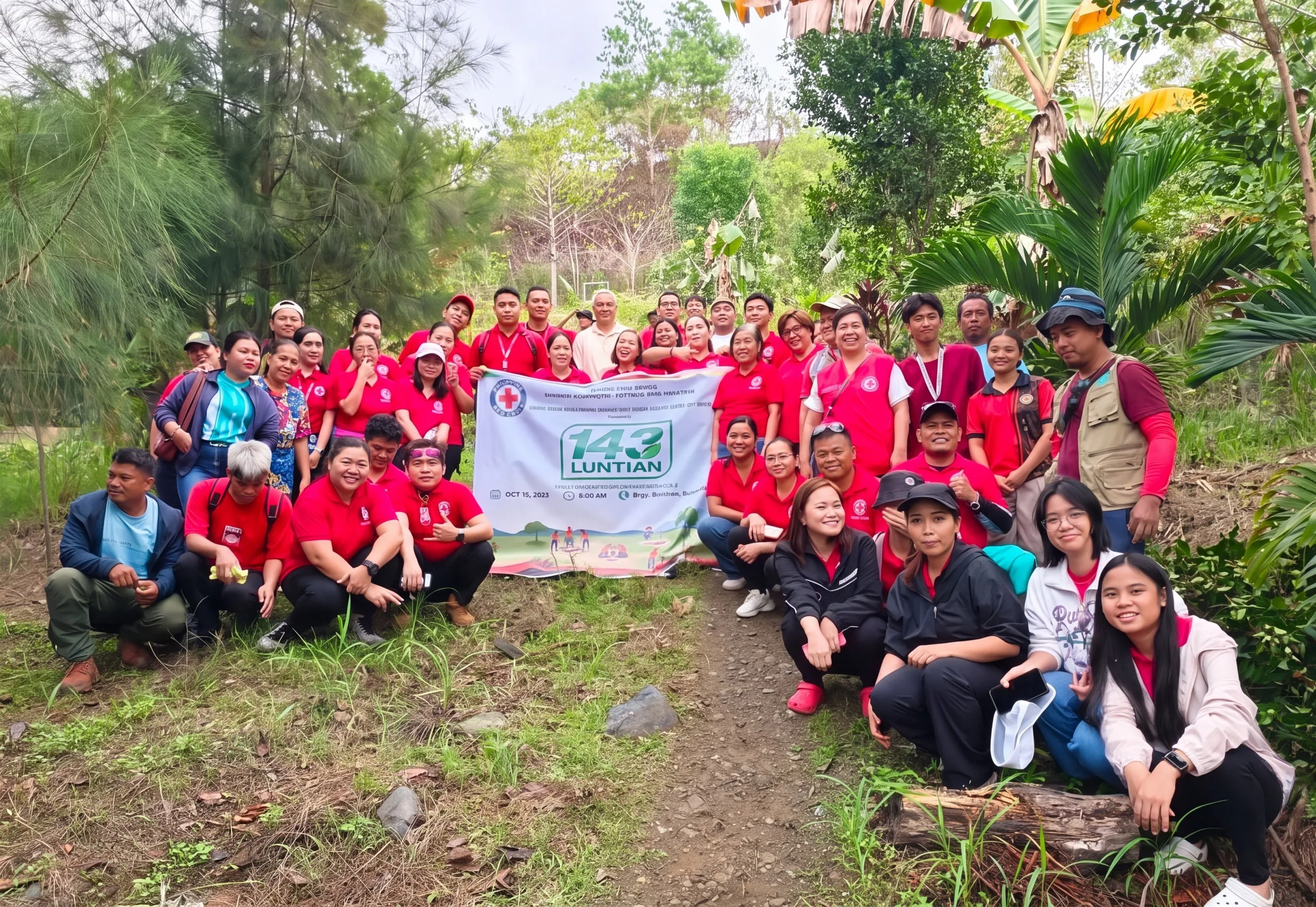
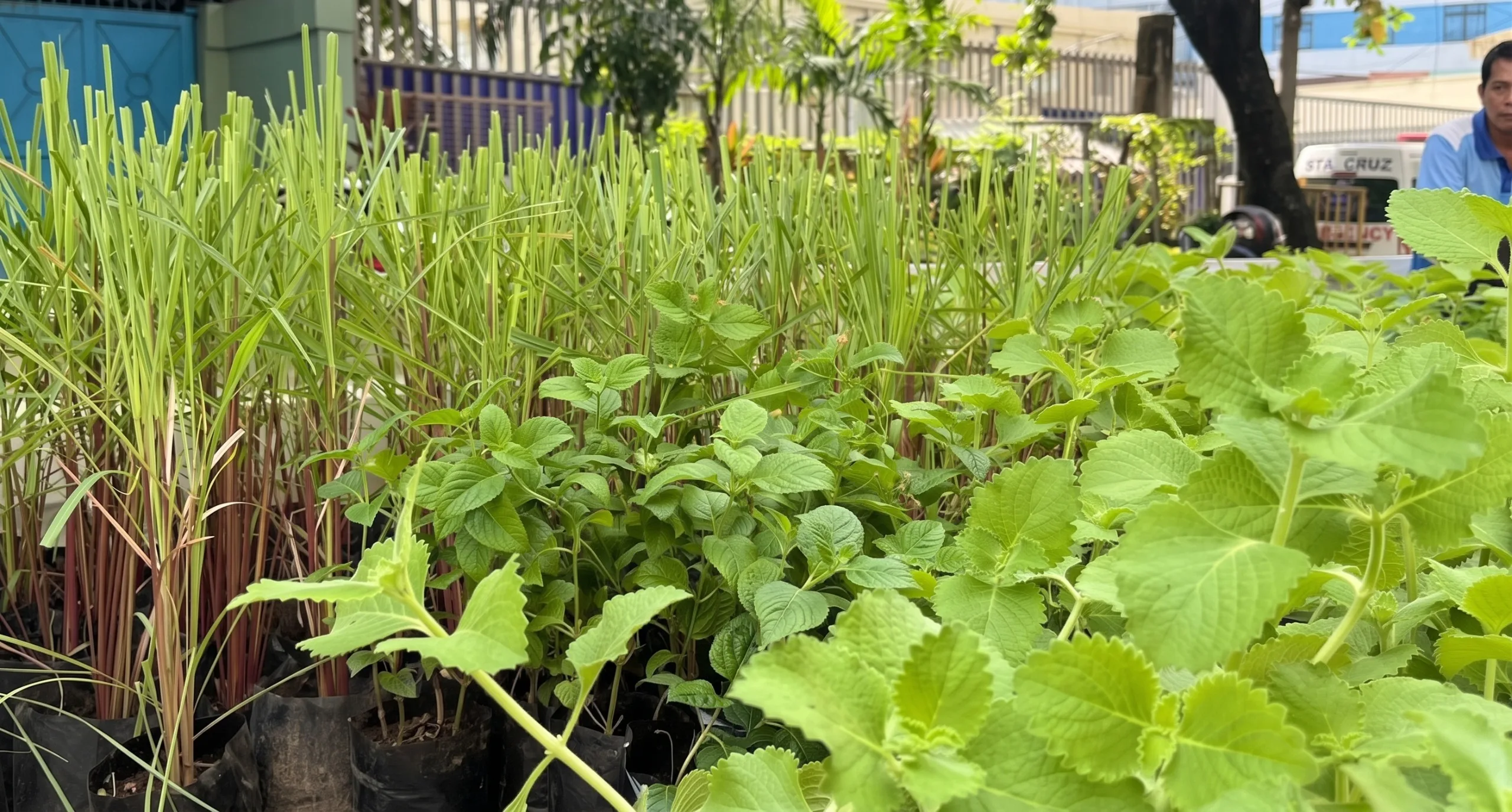
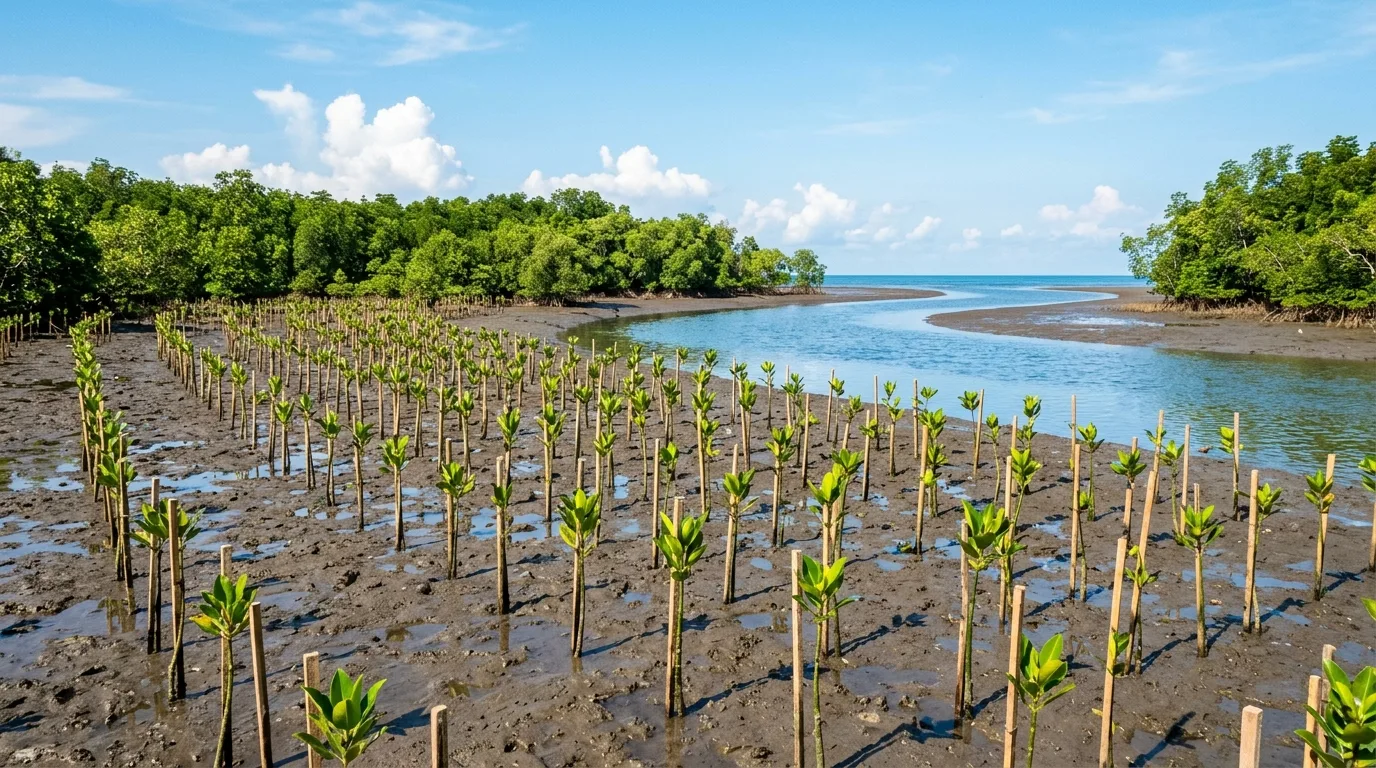
Cleaner neighborhoods are easier to maintain when residents work together rather than relying on occasional cleanup drives. Families can establish household routines, homeowners' associations can coordinate waste collection reminders, and neighbors can organize cleanups with proper equipment and safe disposal arrangements. Planting suitable greenery and maintaining existing trees can also improve shared surroundings, provided that plants do not obstruct sidewalks, drainage, or utility access. By making cleanliness part of ordinary daily life, residents can help create neighborhoods that feel more welcoming and encourage younger generations to respect their shared environment.