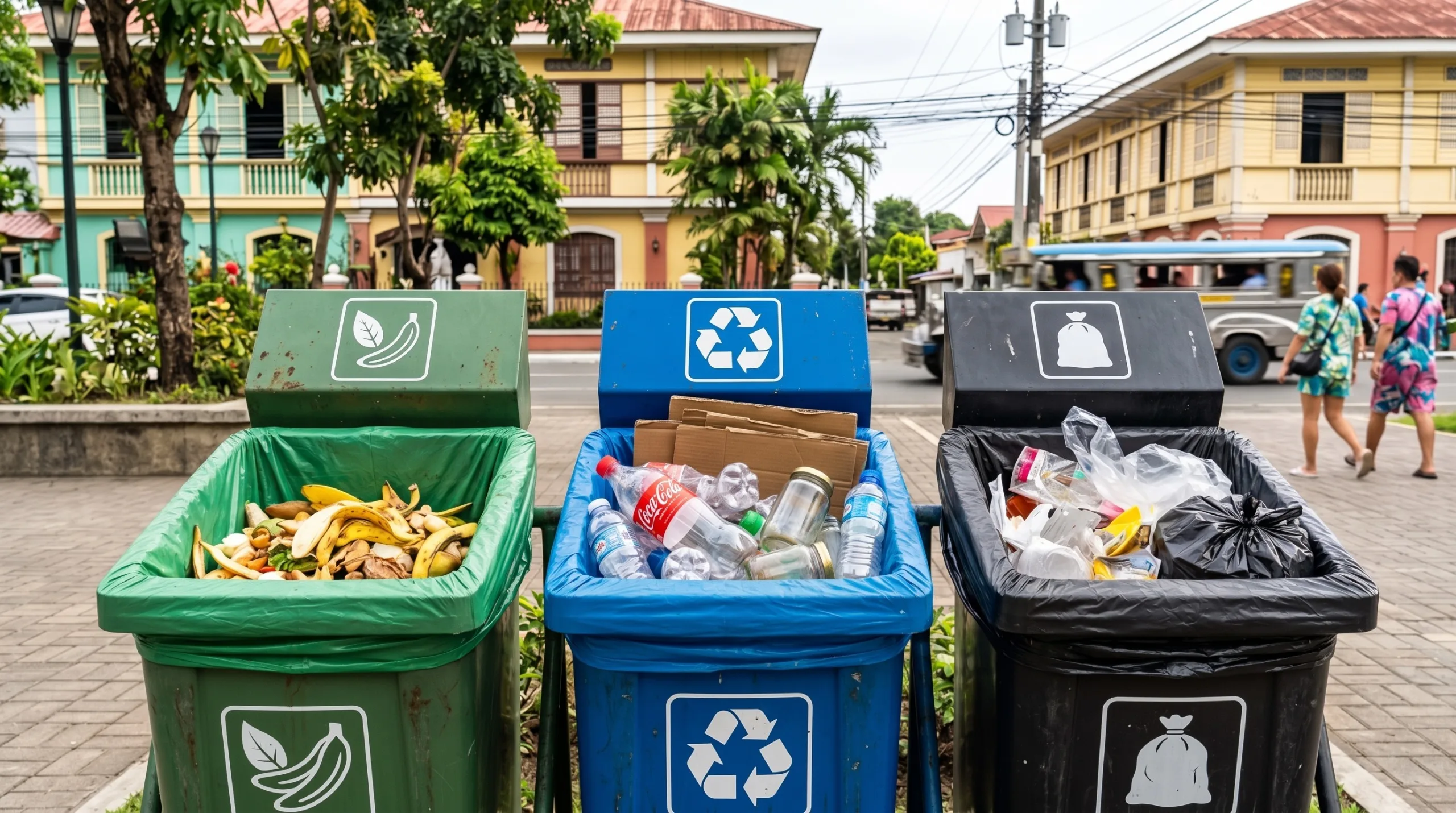
Keep Household Waste Away From Waterways
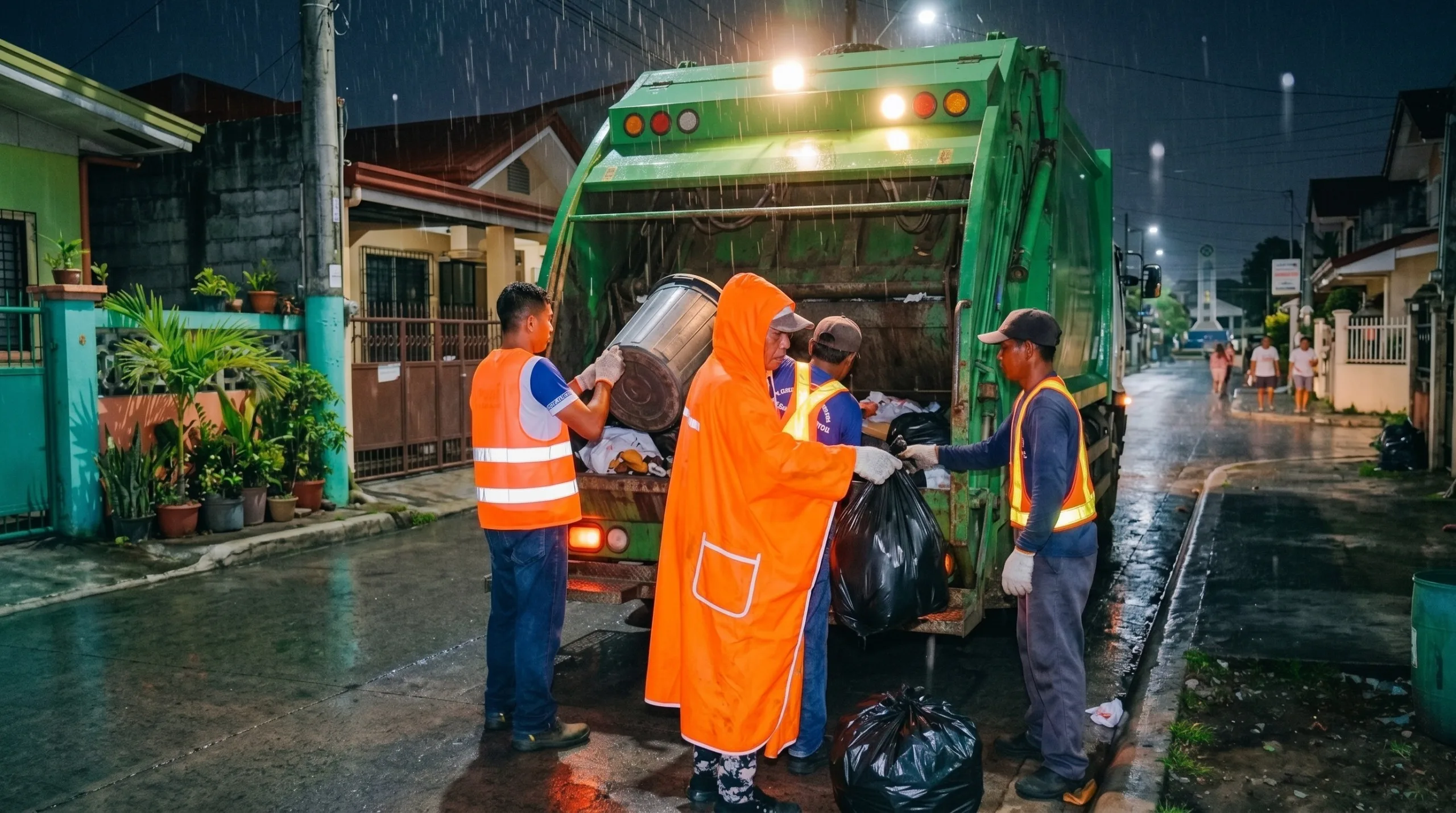
BACOLOD - Water pollution often begins far from the shoreline when litter, untreated wastewater, and improperly discarded household chemicals enter drains, creeks, and rivers that eventually flow into the sea. Coastal households can help prevent this by separating waste, securing garbage before collection, reducing single-use plastics, and avoiding the disposal of cooking oil, paint, medicines, or chemicals into drains. Maintaining septic systems and reporting leaking sewage pipes can also reduce the risk of contaminated wastewater reaching coastal waters. Under the Philippine Clean Water Act of 2004, protecting water bodies involves preventing and controlling pollution from both households and other sources.
Protect Marine Habitats Through Responsible Coastal Activities
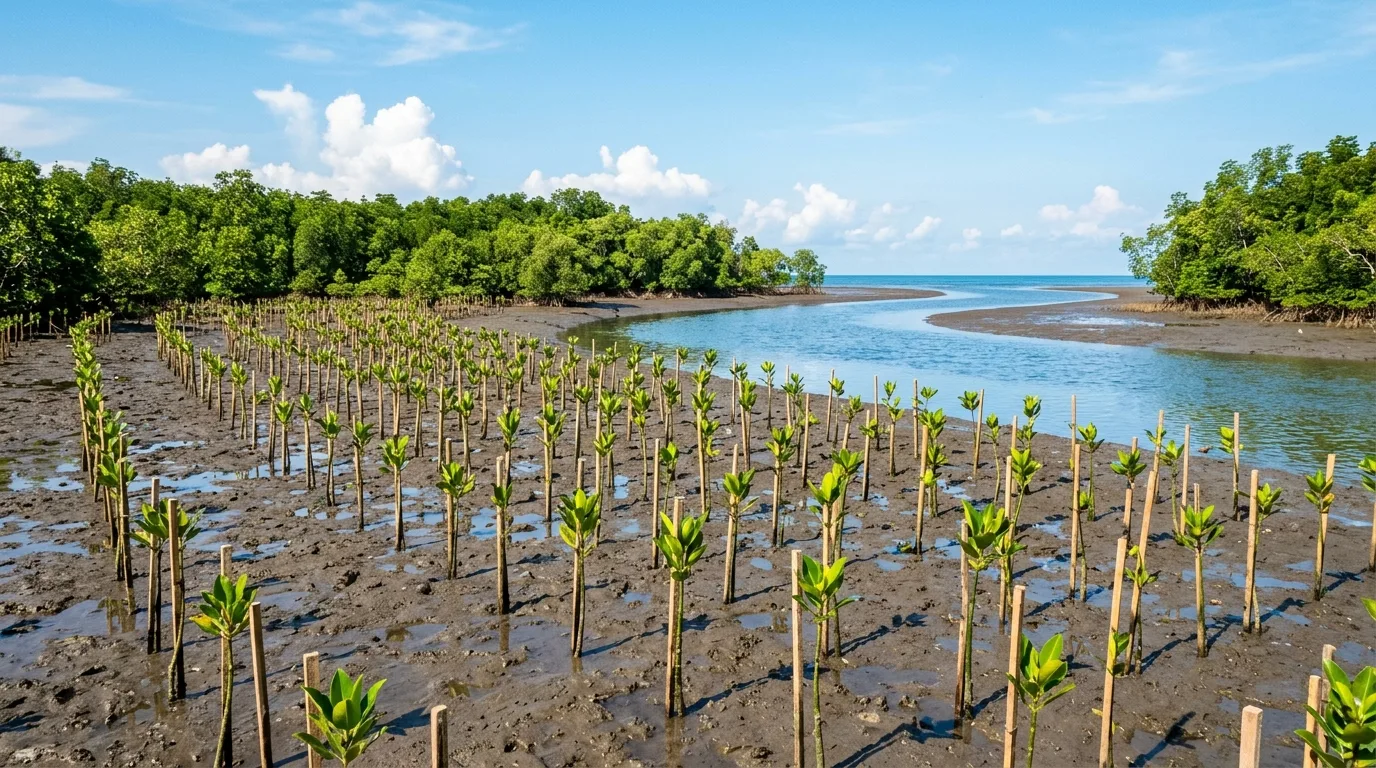
Fishing areas, mangroves, seagrass beds, and coral reefs can be affected by plastic debris, fuel spills, sediment, and untreated wastewater. Fishers and boat operators can reduce pollution by bringing waste back to shore, maintaining engines to prevent leaks, and refueling carefully away from sensitive habitats. Residents and visitors should avoid leaving food packaging on beaches, damaging mangroves, or disturbing marine environments during recreational activities. In places such as Danjugan Island in Negros Occidental, conservation-oriented tourism illustrates why protecting coastal ecosystems matters to wildlife, environmental education, and the long-term appeal of nature destinations.
Build Community Habits That Keep Coastal Waters Clean
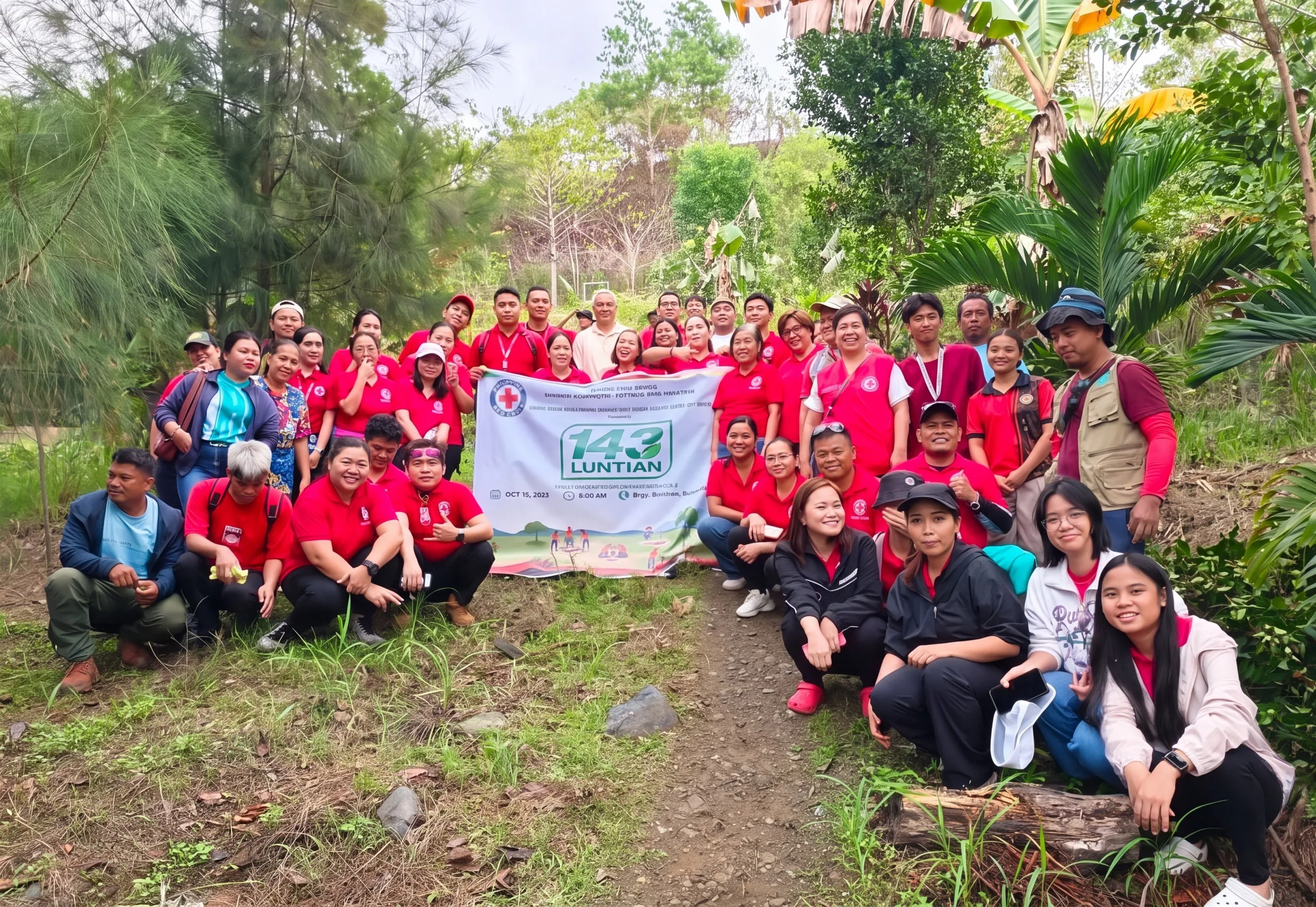
Long-term pollution prevention requires cooperation among residents, businesses, schools, fishers, and local authorities. Community members can organize properly managed shoreline cleanups, report illegal dumping, support waste segregation programs, and encourage nearby establishments to handle wastewater and rubbish responsibly. Local governments can strengthen these efforts through regular drainage maintenance, accessible waste collection, environmental education, and enforcement of applicable pollution-control rules. When communities monitor recurring pollution problems and work together on practical solutions, they can help protect fisheries, tourism activities, public health, and the coastal environment for future generations.