Strengthening the Fight Against Sugarcane Pests
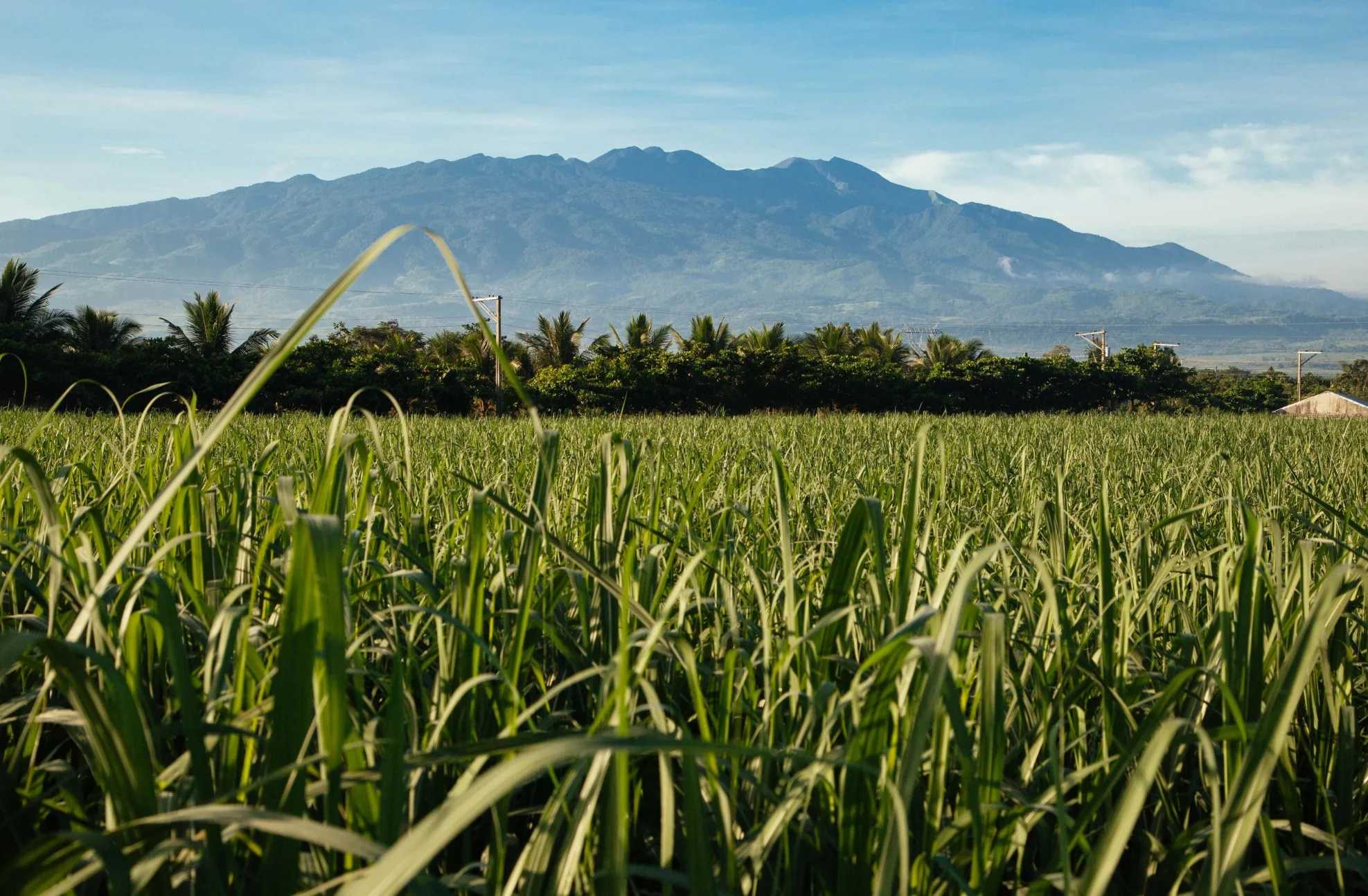
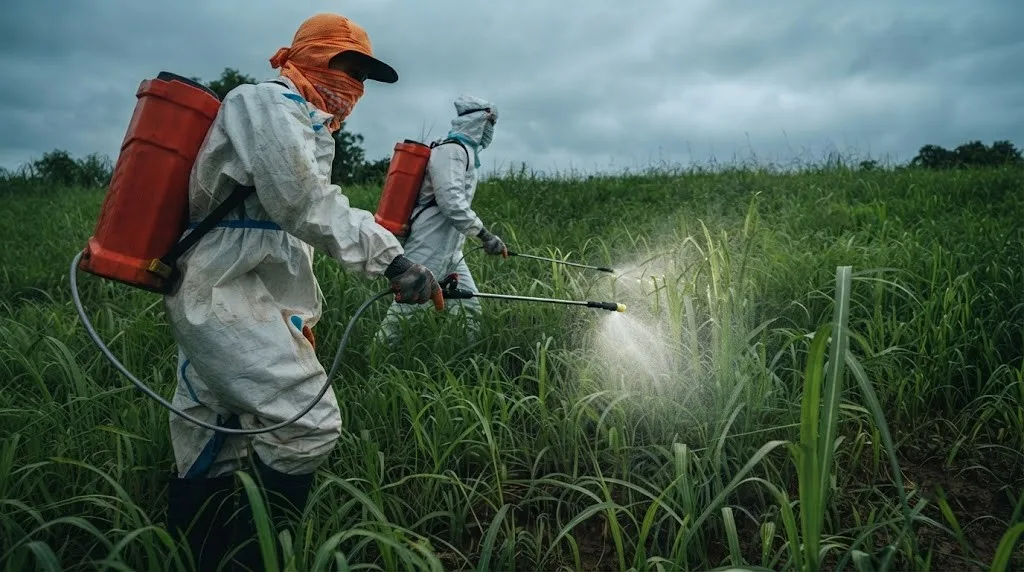
BACOLOD - The Negros Occidental provincial government has set aside an initial ₱24.96 million to strengthen its biosecurity response against the red-striped soft scale insect, or RSSI, as the infestation continues to threaten sugarcane farms across Negros Island. The funding is expected to support the province's response for six months, with the immediate goal of protecting the 2026 sugarcane crop. Part of the allocation will fund field inspections, monitoring activities, personnel support, equipment, protective gear, and other biosecurity materials. The initiative reflects the importance of protecting the sugar industry, which remains a major contributor to the province's economy and supports the livelihoods of numerous farming communities.
Investing in Science-Based Pest Management
A significant portion of the funding will support scientific research and crop rehabilitation through the CO-LAB Research and Development Project. The project will focus on initiatives such as whole-genome sequencing, the production of Metarhizium biological control agents, the propagation of parasitoid wasps, and resistance profiling of sugarcane varieties. These efforts are intended to develop science-based strategies that can help farmers manage RSSI while promoting more sustainable approaches to pest control. The provincial government is also preparing its mobile sprayer for an initial operation covering around 100 hectares, applying biological control agents to healthy sugarcane and areas with early-stage infestations to establish buffer zones and help prevent further spread.
Protecting the Future of the Sugar Industry
The RSSI infestation has reportedly affected more than 30 percent of Negros Island's estimated 250,000 hectares of sugarcane farms, increasing the urgency of coordinated intervention. While the province is focused on protecting the current crop, preparations for the 2027 planting season are also underway, including information campaigns on proper soil preparation and preventive measures. The Provincial Biosecurity Task Force has been activated to coordinate response efforts, while an online reporting platform is being used to help farmers report infestations and receive technical and logistical assistance. Through a combination of research, biological control, field monitoring, and farmer education, Negros Occidental is working to protect its sugarcane industry and strengthen the long-term resilience of one of its most important agricultural sectors.