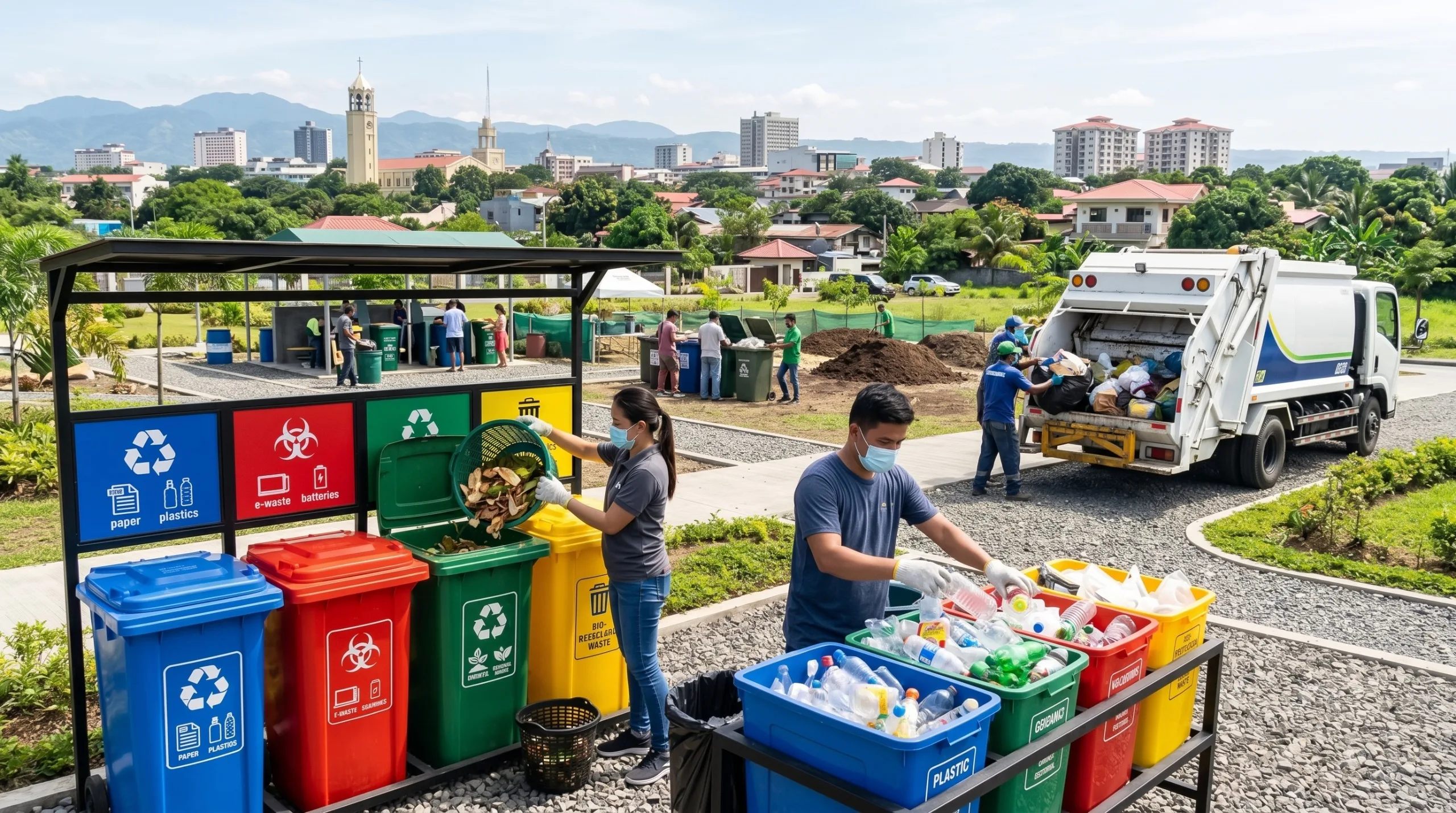
Separate Waste Before Throwing It Away
BACOLOD - The first step toward responsible waste management is sorting materials according to their type. Food scraps and suitable garden waste can often be composted, while clean paper, cardboard, metal cans, and certain plastic containers may be accepted by local recycling programs. Residual waste that cannot be reused or recycled should be placed in the appropriate collection stream, following local guidelines. Batteries, electronic waste, chemicals, and other potentially hazardous materials should be kept separate and taken to designated collection facilities rather than mixed with ordinary household garbage.
Give Useful Materials a Second Life
Many items can be reused before they become waste. Glass jars can store dry goods, sturdy containers can organize household supplies, and old clothing can be repurposed into cleaning cloths or craft materials. Food scraps such as vegetable peels may be suitable for composting, depending on the method used, while leaves and grass clippings can contribute to garden compost. Residents can also donate usable clothing, books, furniture, and appliances to others who need them, provided the items are clean and in good working condition.
Choose Disposal Methods That Protect the Environment
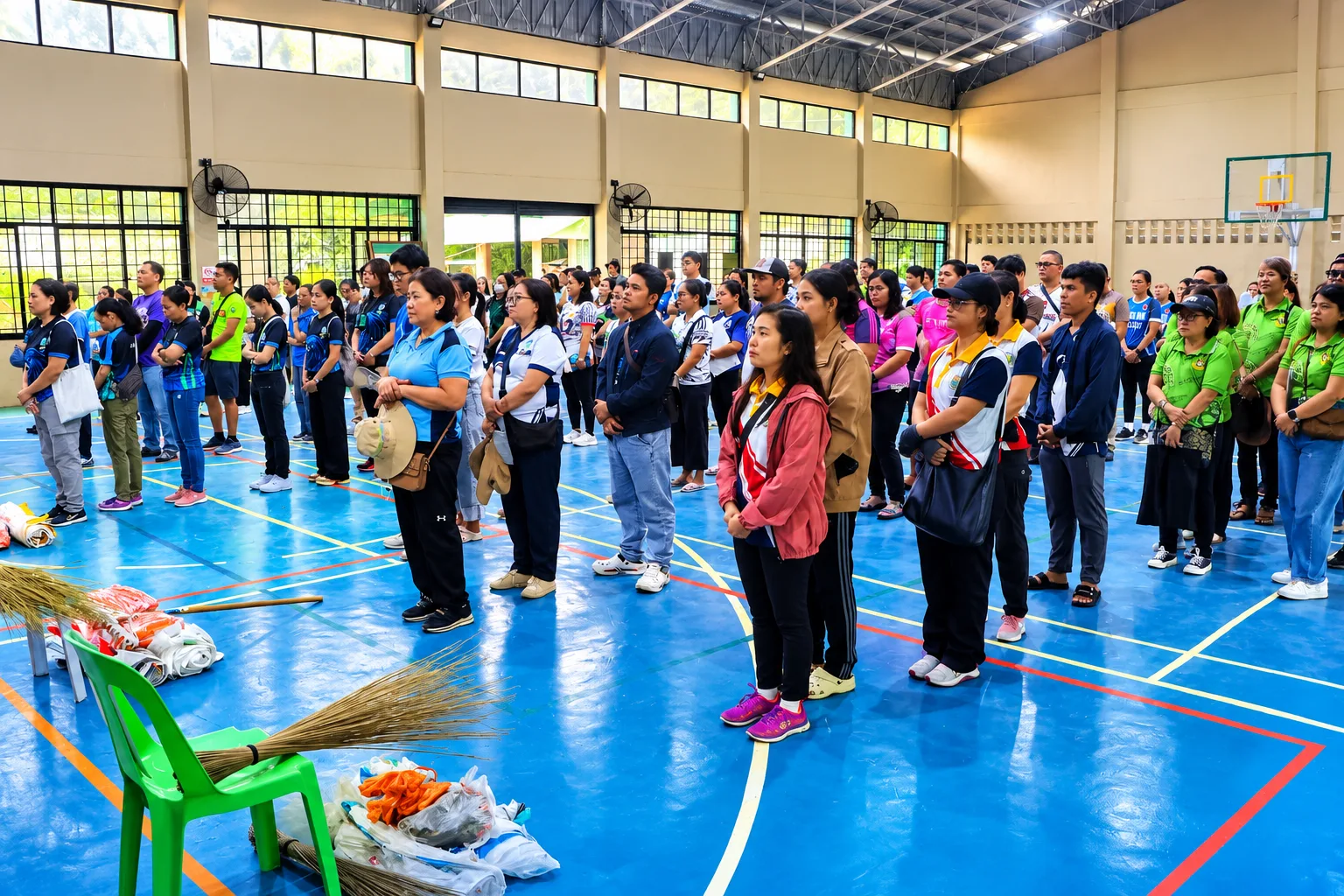
Some waste cannot safely be reused at home, making proper disposal essential. Residents should follow their local government's collection schedules and segregation requirements, and look for authorized recycling or special-waste collection programs. Burning household garbage and dumping waste into waterways, vacant lots, or drainage canals can create health and environmental problems. Communities can support better waste management by joining cleanups, reporting illegal dumping through appropriate local channels, and encouraging neighbors to reduce unnecessary packaging and disposable products.