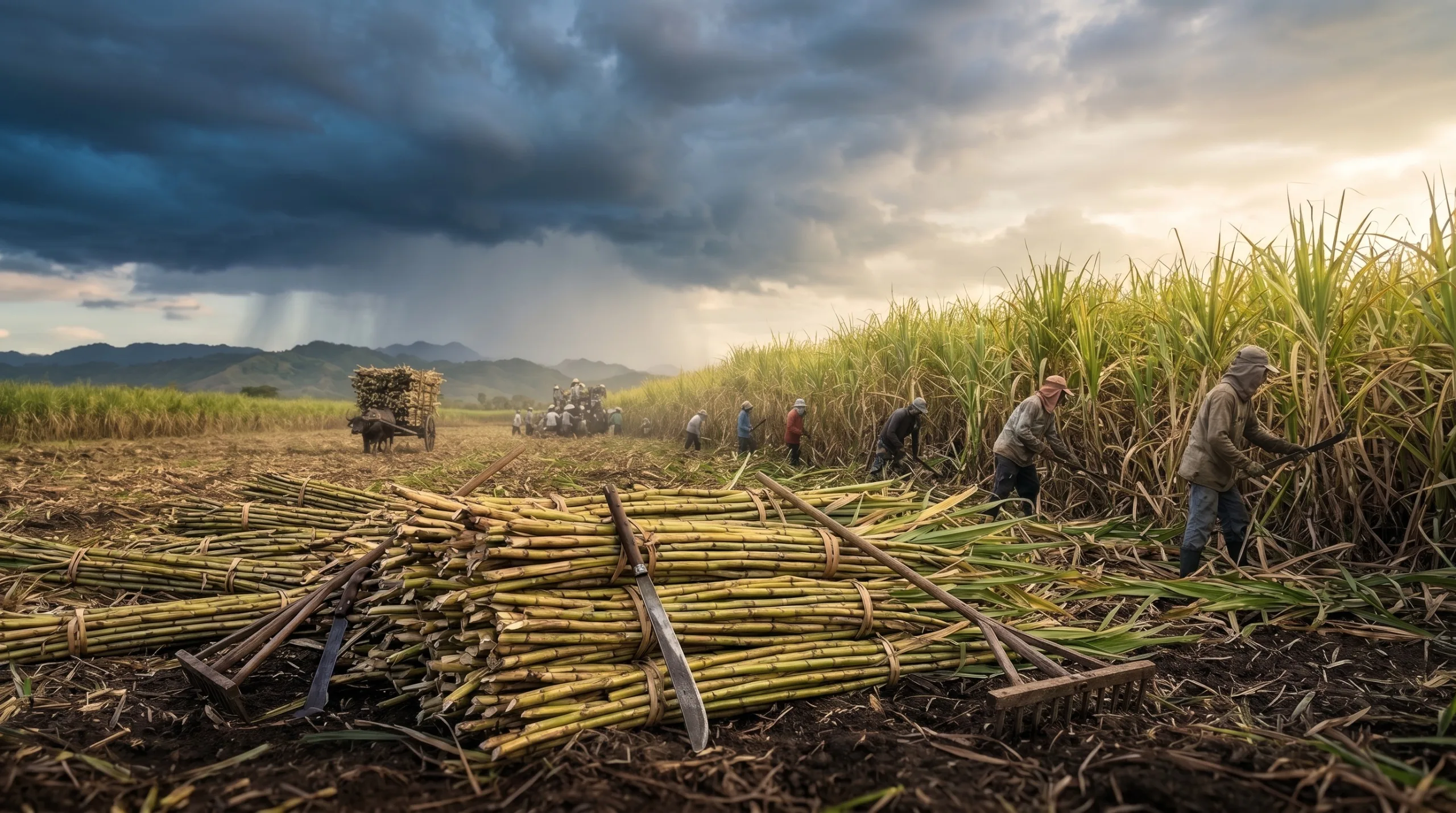
The Field Becomes the Day's Main Workplace
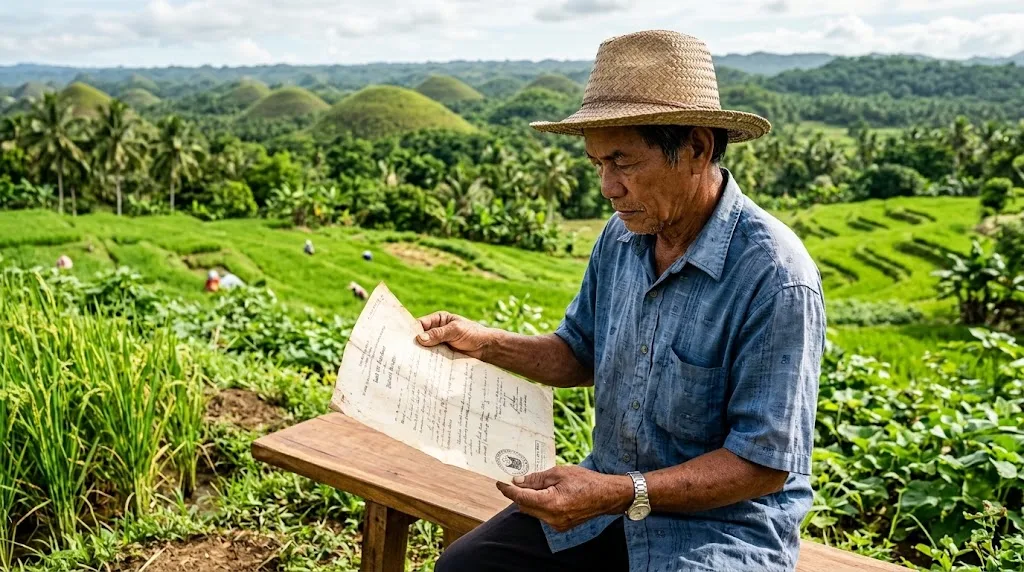
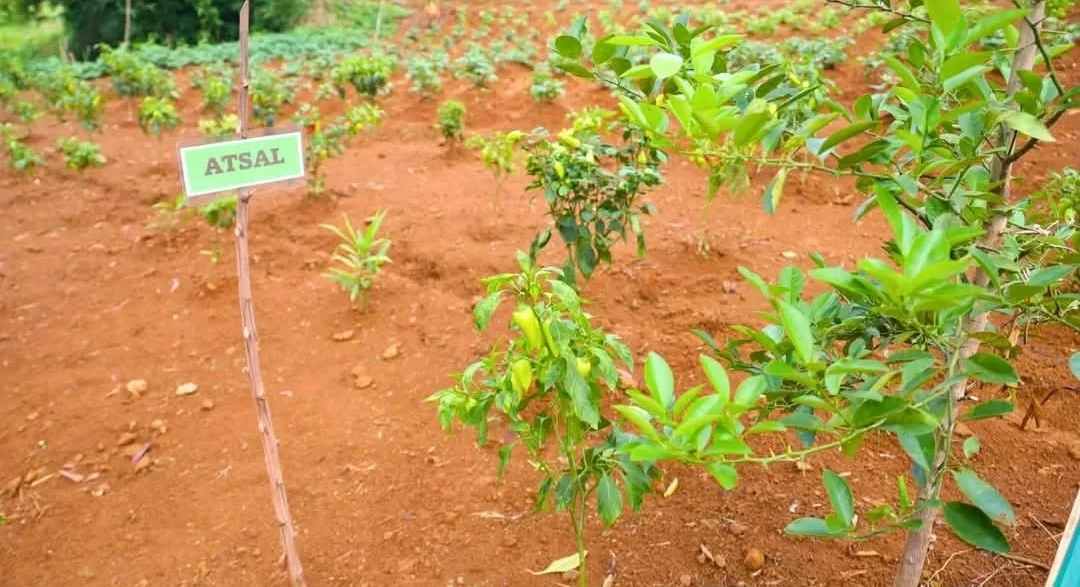
BACOLOD - During a peak season, farmers can spend much of their day preparing land, caring for crops, checking for pests, managing weeds, and monitoring water. The work can change quickly depending on what the crops need. Weather is another major consideration, especially when heavy rain or prolonged dry conditions could affect plants. Farmers may have to adjust their schedules, protect vulnerable crops, or harvest earlier when conditions demand it. What appears to be a simple field from the roadside can therefore involve constant observation and decision-making.
Harvesting Creates a Race Against Time
When crops are ready, the pace can become even more intense. Farmers need to determine when produce has reached the right condition for harvesting, then gather, sort, clean, pack, and transport it as efficiently as possible. Some crops have a limited period when they can be harvested and sold at good quality, making timing especially important. Labor, equipment, transportation, and market demand can all influence what happens next. A successful harvest is therefore not only about growing the crop—it is also about getting it safely from the farm to the people who will use it.
Every Busy Season Supports More Than a Farm
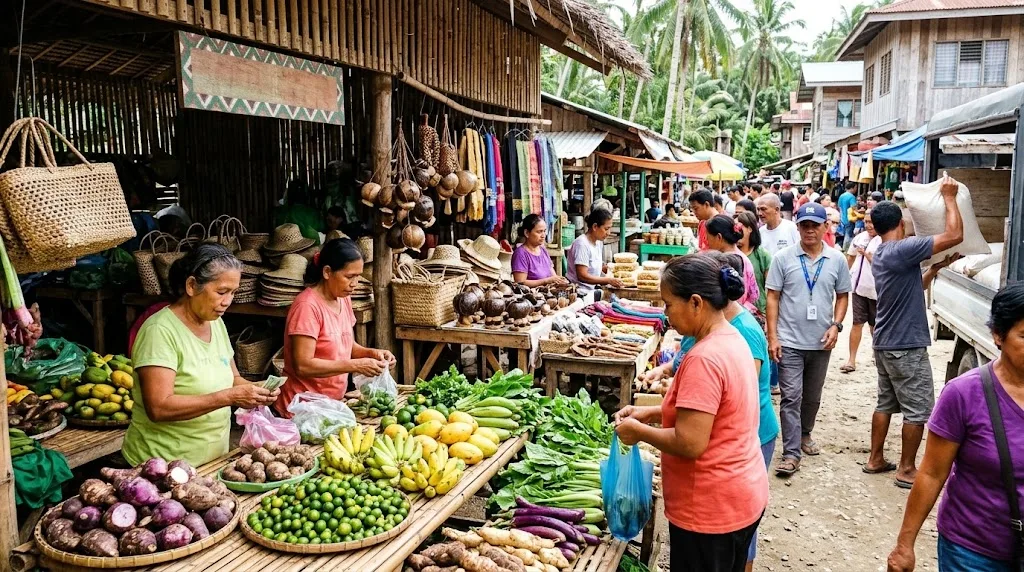
The work does not stop when produce leaves the field. Farmers are connected to traders, market vendors, restaurants, food processors, transport workers, and consumers. Their harvest can help supply local markets while supporting livelihoods throughout the agricultural chain. For Bacolod residents, understanding what happens during a farmer's busiest season can make familiar fruits, vegetables, rice, and other farm products feel different. Behind every harvest is a season of planning, patience, physical work, and decisions that help move food from rural communities to city tables.