When the Original Purpose Disappears
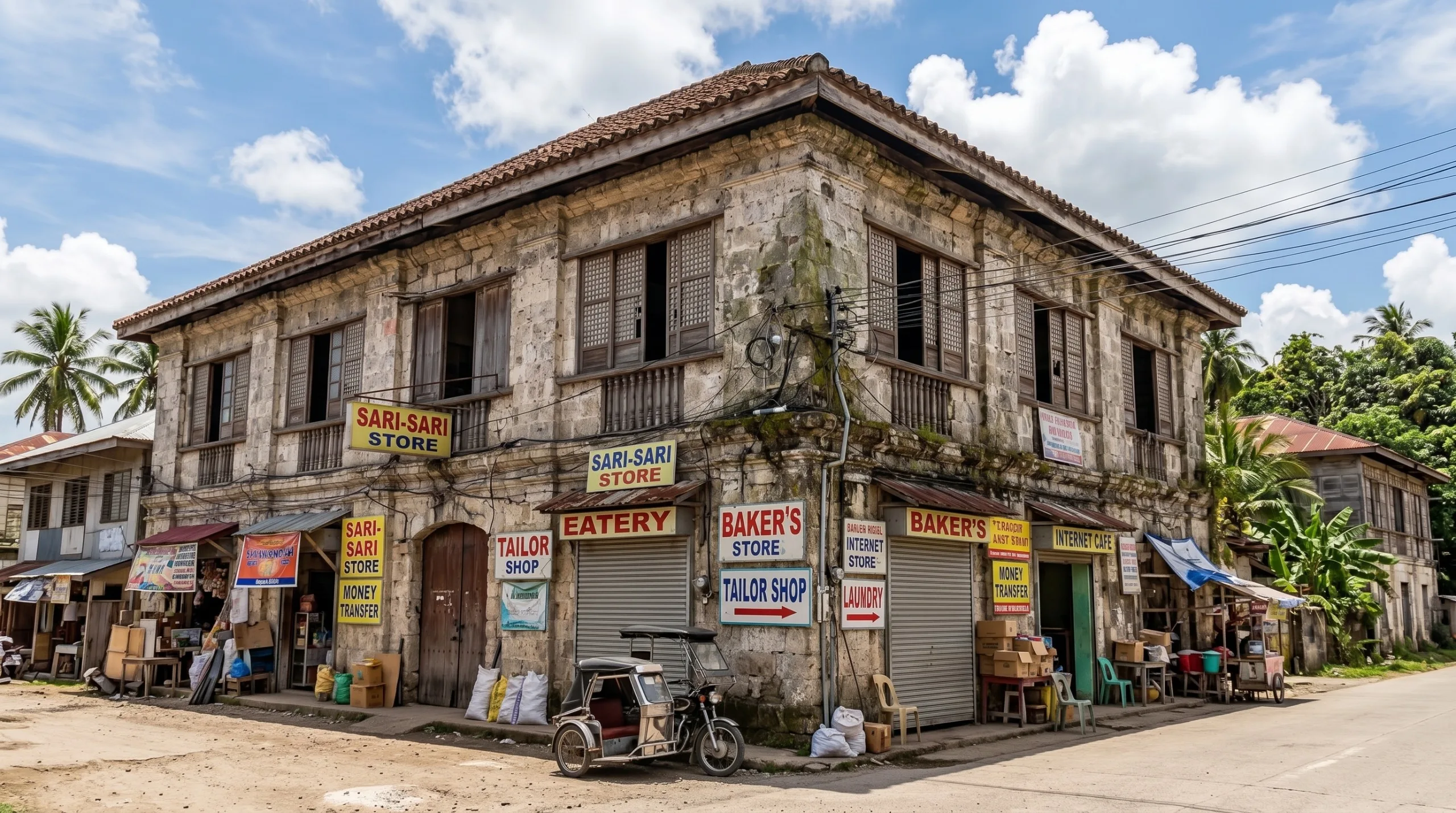
BACOLOD - Historic buildings can lose their original function when government offices relocate, businesses close, industries change, or families move elsewhere. Without regular maintenance and a practical use, these structures may face deterioration, rising repair costs, and reduced community engagement. In Bacolod, buildings connected to the city's civic and commercial history offer an opportunity to examine how older structures can remain relevant as urban needs evolve. Their value extends beyond their original function because their design, materials, and connection to earlier generations can help explain how the city developed.
Adaptive Reuse Gives Heritage a Second Life
One option is adaptive reuse, which means finding a new purpose for a building while protecting its important historic features. Depending on its condition and heritage status, a former office, warehouse, or residence might be adapted for cultural activities, exhibitions, community programs, or carefully planned commercial use. The National Cultural Heritage Act, as amended, recognizes adaptive reuse as a way to conserve significant buildings while allowing them to serve purposes different from those for which they were originally built. Before renovation or conversion, owners should assess structural safety, accessibility, fire protection, and applicable heritage requirements, including whether review or clearance from the appropriate cultural agency is necessary.
Preserving History Requires More Than a Fresh Coat of Paint
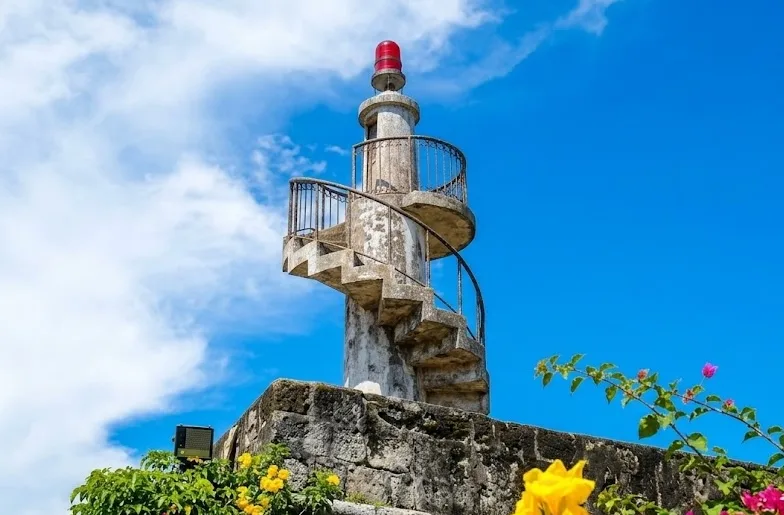
A successful restoration must balance present-day needs with the architectural and historical details that make a building meaningful. Original facades, distinctive staircases, structural elements, and surviving records may help tell its story, while discreet modern upgrades can make the property safer and more useful. In Bacolod, collaboration among property owners, conservation professionals, local government, and cultural organizations could help identify viable uses for historic structures without treating every old building as suitable for the same solution. When a new purpose supports ongoing maintenance and public understanding, a historic building can remain part of everyday city life rather than becoming a forgotten remnant of the past.