A Fort Built Beside a Changing Sea
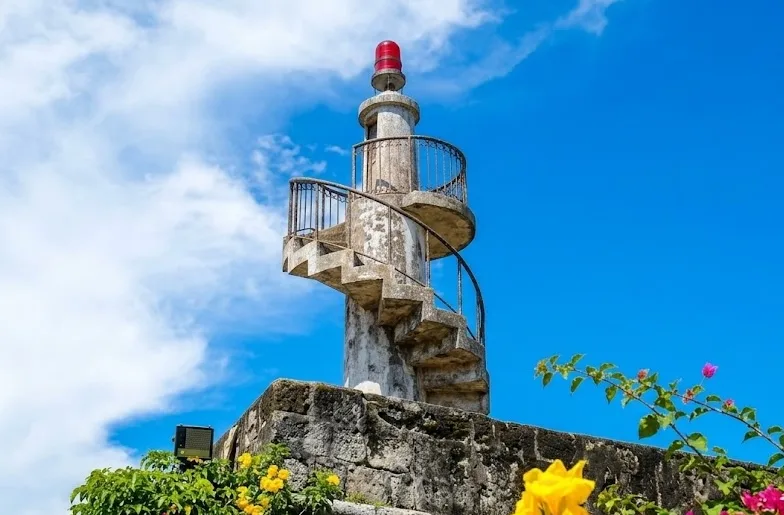
OZAMIZ CITY- Cotta Fort is more than an old structure beside the water; its history reflects the strategic importance of Ozamiz's location along Panguil Bay. The Philippine News Agency reported that the fort, also known as Fuerte de la Concepcion y del Triunfo, was built in 1755 by Jesuit priest Fr. Jose Ducos and served as a military stronghold. Its purpose was linked to protecting settlements from pirate attacks, placing the structure within the maritime history of the area. The National Historical Commission of the Philippines separately lists the fort as a Level I National Historical Landmark, with its marker installed in 2002.
A 2026 Visit That Put History Back in View
The site's historical value received attention again when Misamis Occidental officials brought members of the CBCP delegation to Cotta Shrine on July 7, 2026. According to PNA, the visit included prayers before the Birhen sa Cotta and a discussion of the histories associated with the shrine and sacred image. The visit took place during the CBCP's 132nd Plenary Assembly in Ozamiz City. It provided a contemporary setting for people to encounter a place whose story reaches back centuries.
The Sea Is Part of the Story, Too
An October 5, 2026 Philippine Information Agency feature on cultural and maritime heritage noted that the country's seas have long shaped food, livelihoods, communities, identity, and history. That broader perspective fits Ozamiz's own historical setting, where Cotta Fort stands facing Panguil Bay. The connection does not require turning the fort into something it is not; its documented history already shows why the sea mattered to the settlement it protected. For Ozamiz, preserving and explaining such places gives residents and visitors a way to understand the city through its older relationship with the coast.