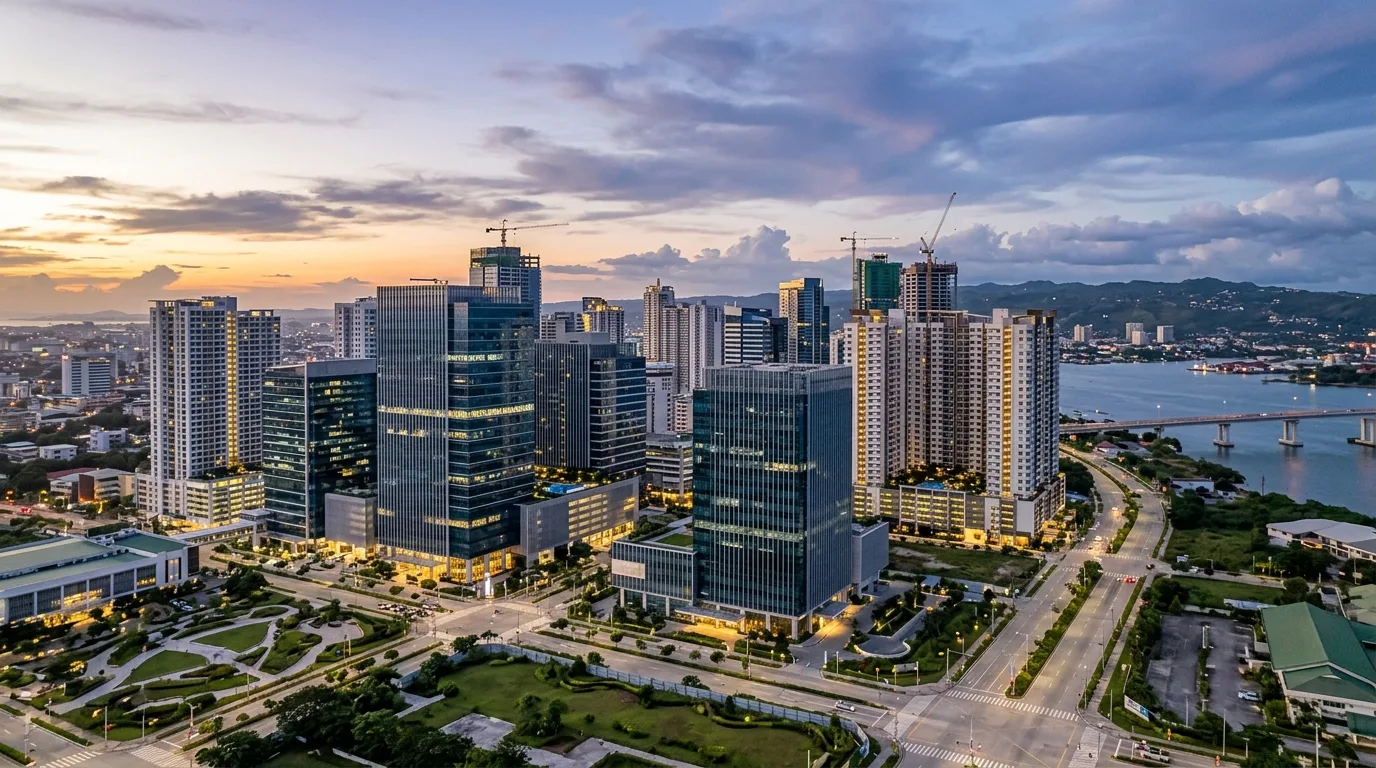

TAGUIG CITY — The Bonifacio Global City office market tightened further in early 2026, with vacancy plunging to 8 percent while average monthly rents climbed to ₱1,356 per square meter. Santos Knight Frank’s first‑quarter report confirms the city has become Metro Manila’s most resilient commercial district.
Taguig Sets the Pace with Single‑Digit Vacancy
Taguig’s vacancy rate stood at less than half the metro‑wide average of 17 percent. The figure improved sharply from the 22.1 percent recorded across the capital region in December 2025. Average rents in Taguig now command a premium of ₱255 above the metropolitan mean.
The 8 percent vacancy signals that available Grade A space in Bonifacio Global City is shrinking fast. Occupiers are securing leases in advance of further rent escalation, keeping the market landlord‑favorable. Brokers report active viewings from information technology firms, shared‑service centers, and regional headquarters.
Flight to Quality Drives Premium Rents
Morgan McGilvray, senior director of SKF Occupier Strategy and Solutions, said companies now prioritize locations that support talent attraction and long‑term operational efficiency over sheer affordability. Taguig’s live‑work‑play environment, integrated transport links, and modern building specifications justify the premium.
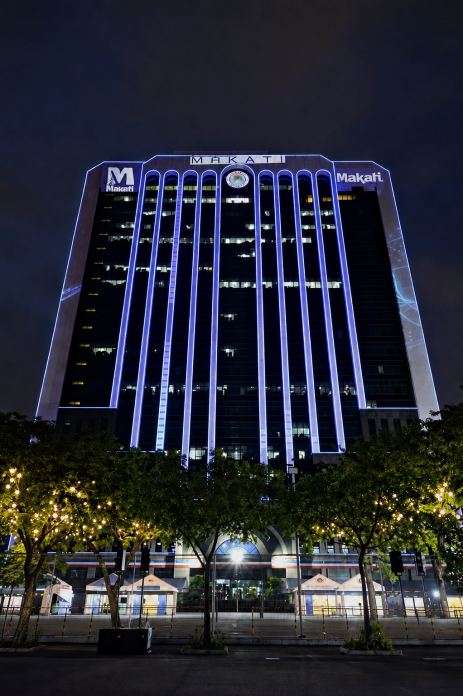
Makati followed with an average rent of ₱1,267 per square meter and a vacancy rate of 17 percent. Ortigas lagged at ₱892, Quezon City at ₱836, and Alabang and the Bay Area both struggled with 33 percent vacancy. The rent gaps confirm that occupiers are concentrating in central business districts with the strongest amenity ecosystems.
Metro Manila Vacancy Drops as Supply Pipeline Thins
The overall office vacancy across Metro Manila dropped to 17 percent in the first quarter, down from 22.1 percent at the end of 2025. Average rents ticked up 0.9 percent to ₱1,101 per square meter. The improvement reflects sustained demand despite global economic uncertainty.
From 2026 to 2031, only 1.2 million square meters of new office space are expected to enter the market. SKF described the thinning pipeline as a deliberate calibration that will prevent oversupply and support healthier vacancy levels and rental stability over the medium term.
IT‑BPM Expansion Underpins Office Demand
The information technology and business process management sector remains the single largest driver of office leasing. The industry ended 2025 with approximately 1.9 million employees and $40 billion in export revenues. Industry targets aim for 1.97 million jobs and $42 billion this year.
Rather than shrinking in response to automation, outsourcing firms are leasing high‑quality spaces to house advanced global capability centers. These facilities focus on data analytics, artificial intelligence, and complex business support functions, all of which require collaborative, campus‑style offices that BGC provides.
Tax Reform Boosts Investor Confidence
The CREATE MORE Act, fully operational this year, slashed corporate income tax for enhanced deduction entities to 20 percent and guaranteed VAT zero‑rating on essential business services. The clarity has removed administrative bottlenecks that previously delayed office take‑up by multinational tenants.
Investors are responding by locking in long‑term leases in Taguig, viewing the city as a safe harbor amid geopolitical uncertainty. With vacancy at a mere 8 percent and new supply tightly controlled, analysts expect rents to continue their upward trajectory through 2027, rewarding early movers.