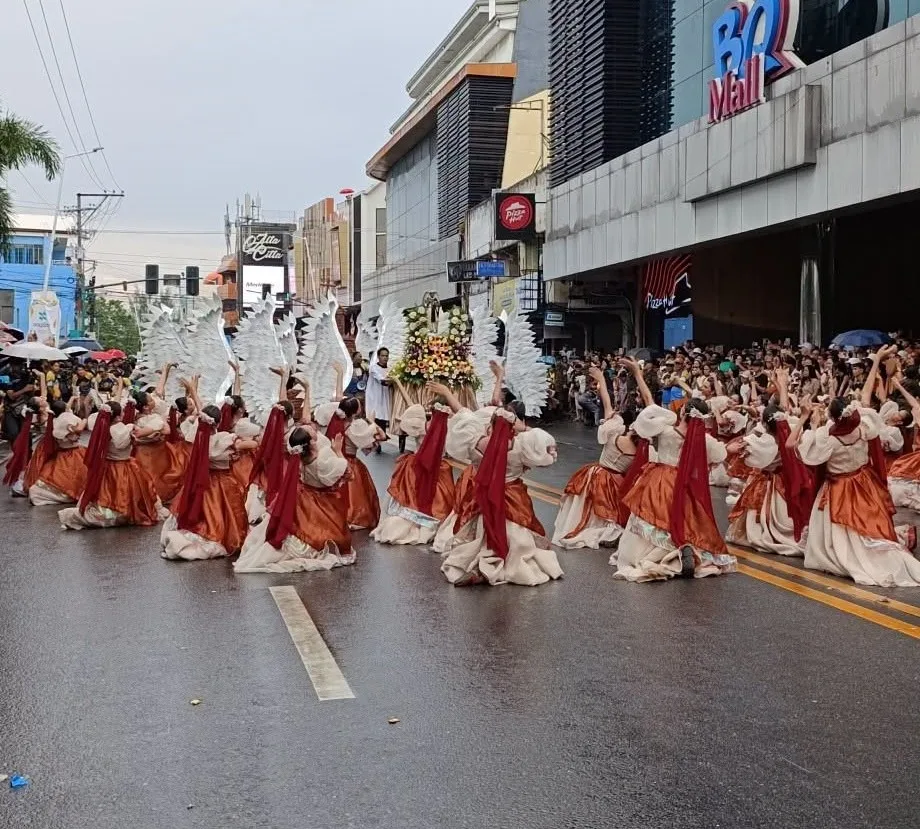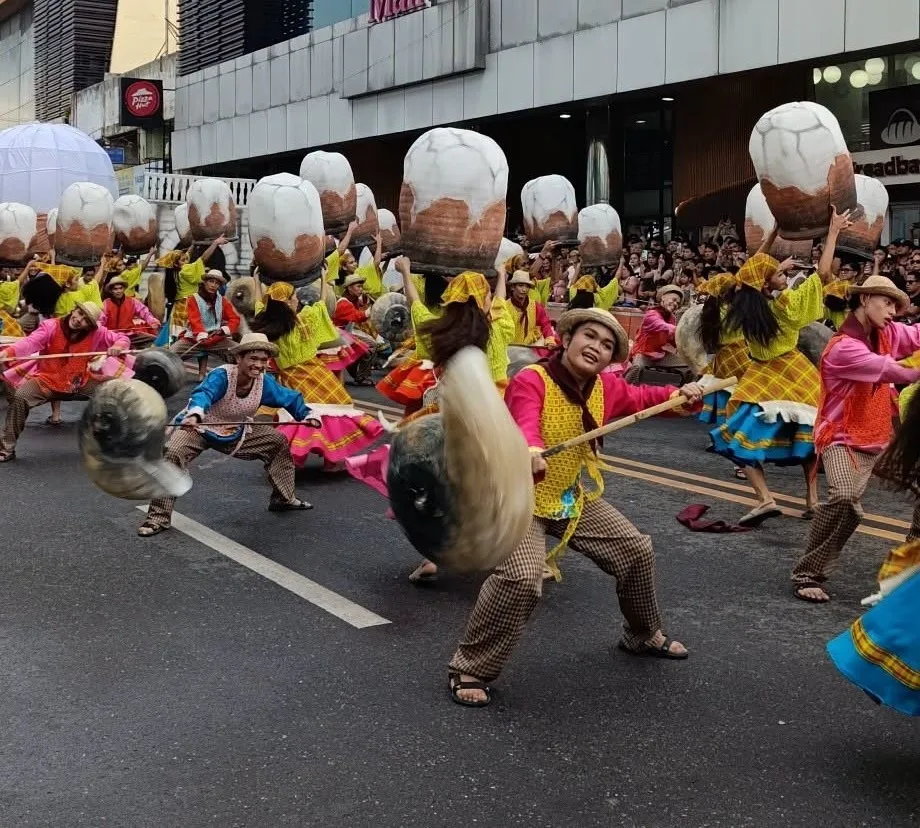
TAGBILARAN CITY, Bohol — The streets of Tagbilaran pulsed with ancient rhythms on July 26, 2026 as Contingent Number 1, Asinderos de Alburquerque, opened the Sandugo sa Bohol Festival of Festivals with a dazzling tribute to the island’s most precious salt. Their performance transformed a centuries‑old craft into a living, breathing spectacle that beckons travelers to discover a rare cultural treasure.
A Story Told Through Dance and Salt
The contingent’s narrative followed a group of students searching for their town’s true treasure, only to find it in the hands of a grandfather who still practices the dying art of making Asin Tibuok. Dancers moved in synchronized waves, mimicking the laborious process of soaking coconut husks and boiling brine in clay pots. The performance was not merely entertainment; it was a history lesson etched in motion and music.
Mayor Ritchie P. Buates led the delegation, with Artistic Director Jerrey David Aguilar shaping a visual narrative that honored the Mangasinay, the traditional salt makers. The choreography, crafted by Justin Milay, Aile Joed Aranzado, and Paolo Javier Requilme, blended indigenous movements with theatrical storytelling. Every beat of the drum seemed to echo the patient stirring of salt over open flames.
The Dance of the Mangasinay
What set this performance apart was the appearance of actual Mangasinay artisans on stage. As the student dancers completed their journey of discovery, the elders stepped forward, holding finished salt pots. The transition was seamless—past and present united in a single, powerful image. The crowd fell silent, then erupted in applause, recognizing the living heritage before them.
The salt pot itself, often called a “dinosaur egg” for its oval, smoky shell, became a central character in the drama. Dancers lifted it reverently, cracked it open, and mimed the shaving of salt over food, celebrating its unique flavor. The ritual underscored that Asin Tibuok is not just a condiment but a vessel of identity for the people of Alburquerque.
A UNESCO-Recognized Treasure on Display
The performance carried added weight because of recent global recognition. UNESCO recently inscribed the practice of making Asin Tibuok on its List of Intangible Cultural Heritage in Need of Urgent Safeguarding. The ceremony in New Delhi, attended by master artisan Felix Pinlac Jr., cemented the craft’s international importance. For tourists, seeing a UNESCO‑listed tradition performed live is a rare and compelling draw.
Furthermore, the Intellectual Property Office of the Philippines granted Alburquerque Asin Tibuok Geographical Indication status, legally protecting its name and origin. This means visitors who buy the salt can be certain it is authentic, made by the hands of the Mangasinay. The dual recognition elevates Alburquerque from a quiet coastal town to a must‑visit destination for cultural travelers.
From the Stage to the World: Tourism Boost
Sandugo draws thousands of visitors each year, and performances like the Asin Tibuok showcase give them a reason to explore beyond the Chocolate Hills. Travelers who witness the dance are naturally curious to visit Alburquerque, meet the artisans, and purchase the salt directly from its source. The festival thus becomes a gateway, converting spectators into cultural pilgrims.
The town has already seen increased interest from tour operators seeking to include Asin Tibuok workshops in their itineraries. Local homestays and small businesses are preparing for a steady influx of visitors inspired by the Sandugo performance. The provincial government views cultural heritage as a pillar of sustainable tourism, and Alburquerque’s story proves its economic potential.
Preserving Tradition Through Performance
The Asinderos de Alburquerque did more than compete; they preserved a legacy. By entrusting the youth with the steps and the elders with the stage, the contingent ensured that the Mangasinay tradition will not be forgotten. For tourists, it was a privilege to witness a UNESCO‑listed craft that few have seen performed live. As the last notes of the musical score faded, the message was clear: Alburquerque’s salt is not just for cooking—it is for remembering, celebrating, and sharing with the world.