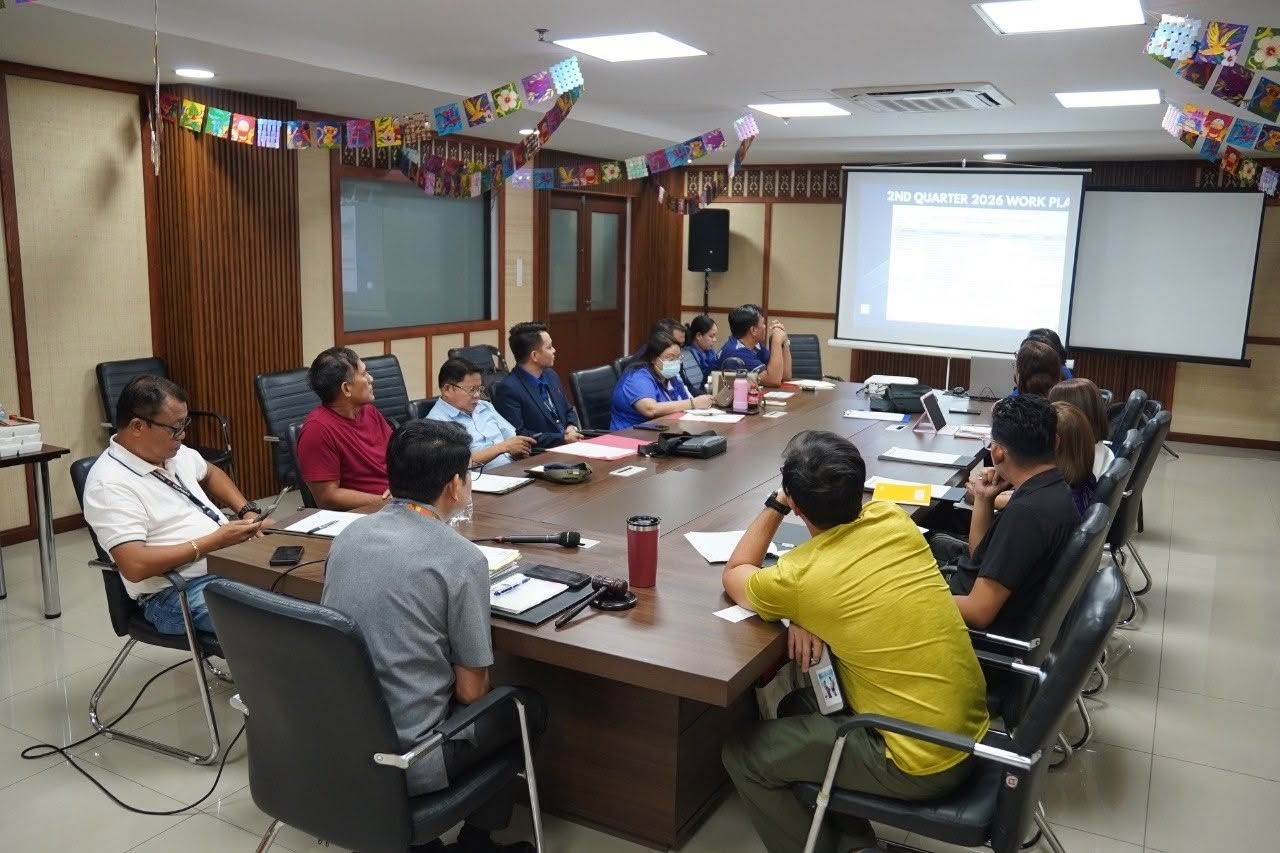
Bohol — The city has taken a significant step toward climate resilience by formally activating its comprehensive action plan to mitigate the impacts of the El Niño phenomenon. Recognizing the threat to agricultural productivity, water security, and local economic stability, the provincial government is moving ahead with strategic interventions designed to protect livelihoods across the island. The focus is on multi-sectoral cooperation and early preparedness to ensure that communities remain insulated from the harshest effects of dry weather. This approach highlights the provincial leadership’s dedication to protecting the province's future as a global ecological model.
Targeted Interventions for Sustainable Agriculture
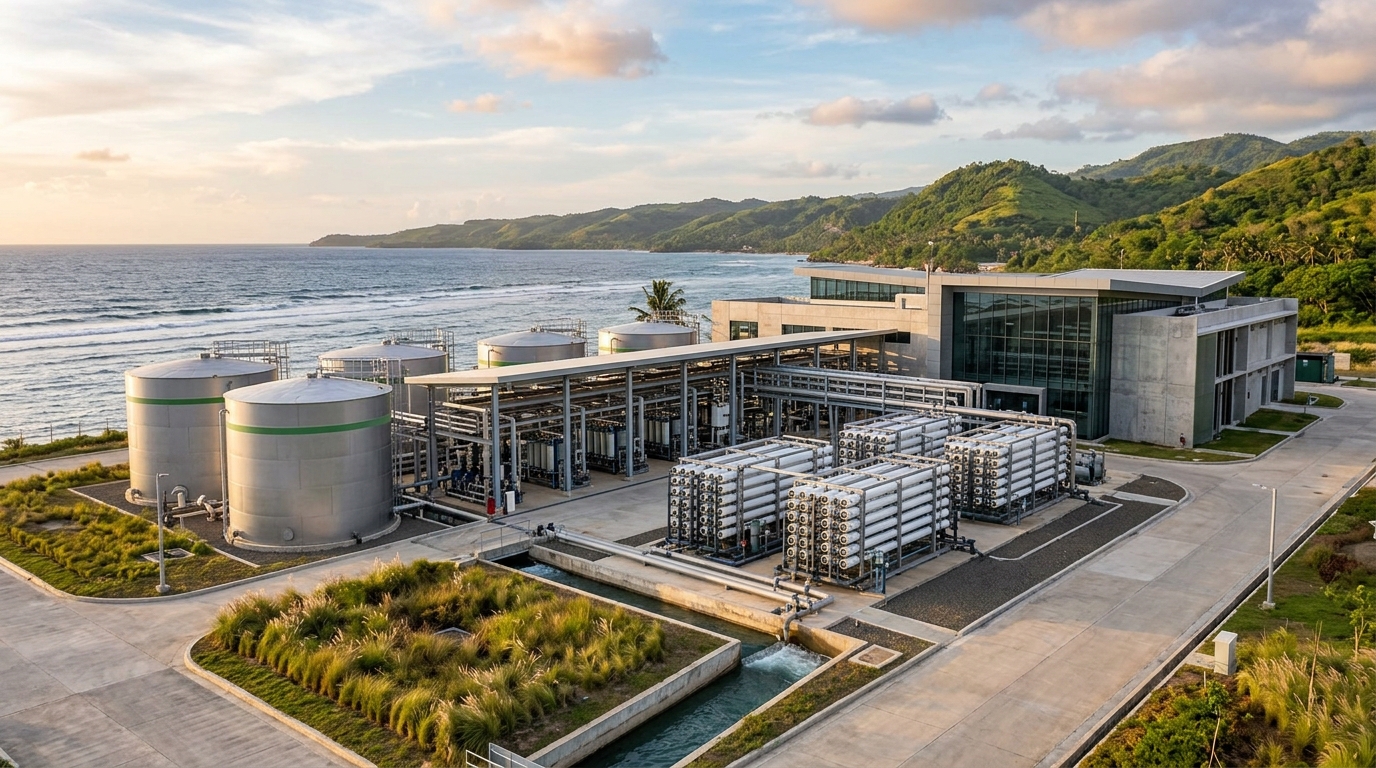
The action plan includes robust support for the province's farmers and fisherfolk, such as the construction of farm reservoirs, irrigation system maintenance, and the distribution of drought-resistant seeds. By focusing on these practical infrastructure needs, the government aims to keep the agricultural sector productive even during extended periods of low rainfall. Furthermore, the provincial budget has earmarked funds specifically for cloud seeding operations should the need arise. These efforts are part of a larger, carefully mapped strategy to maintain food sufficiency and keep local markets stable during challenging climate events.
Empowering Community-Level Preparedness
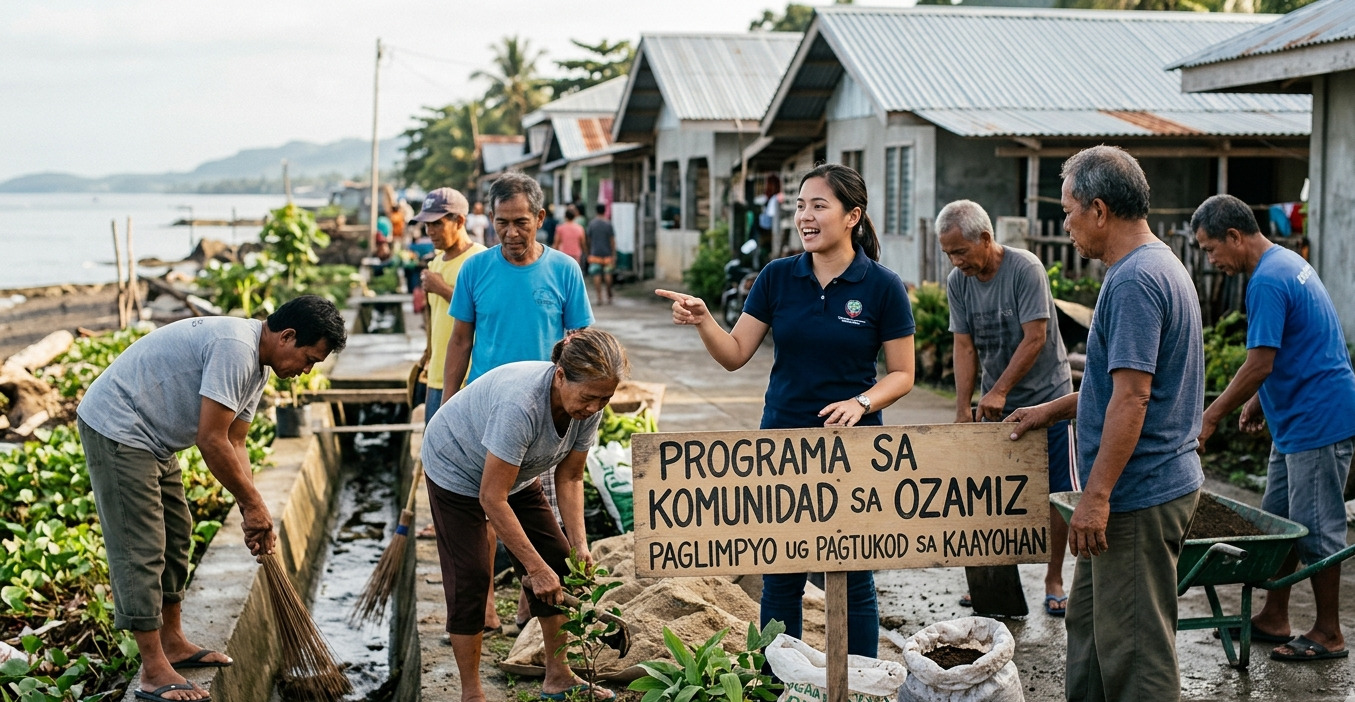
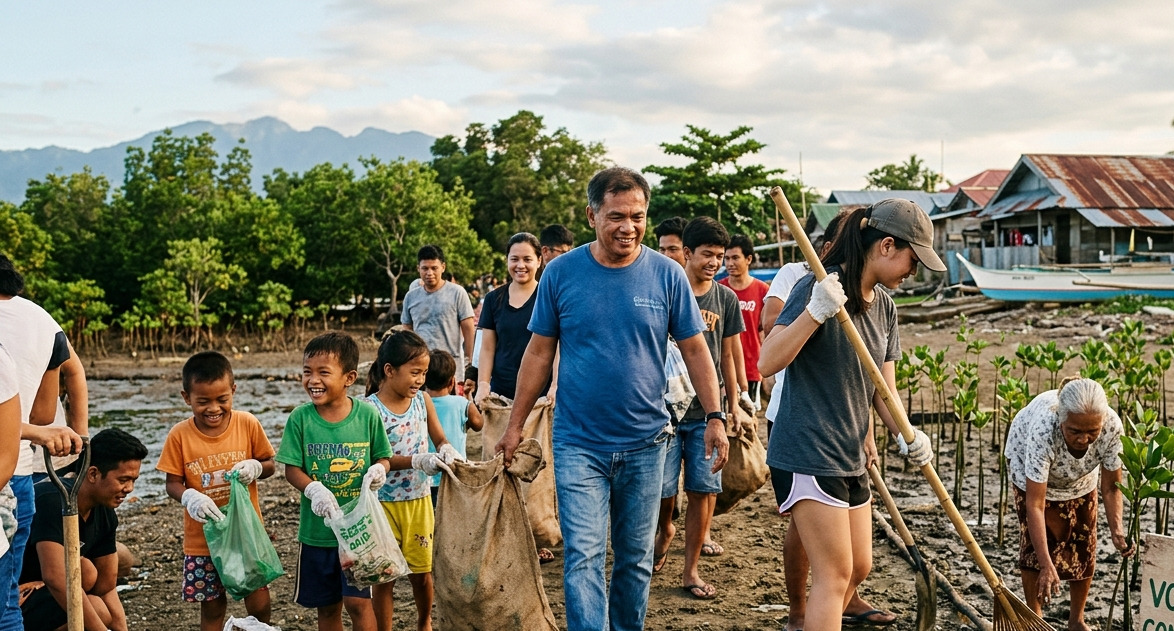
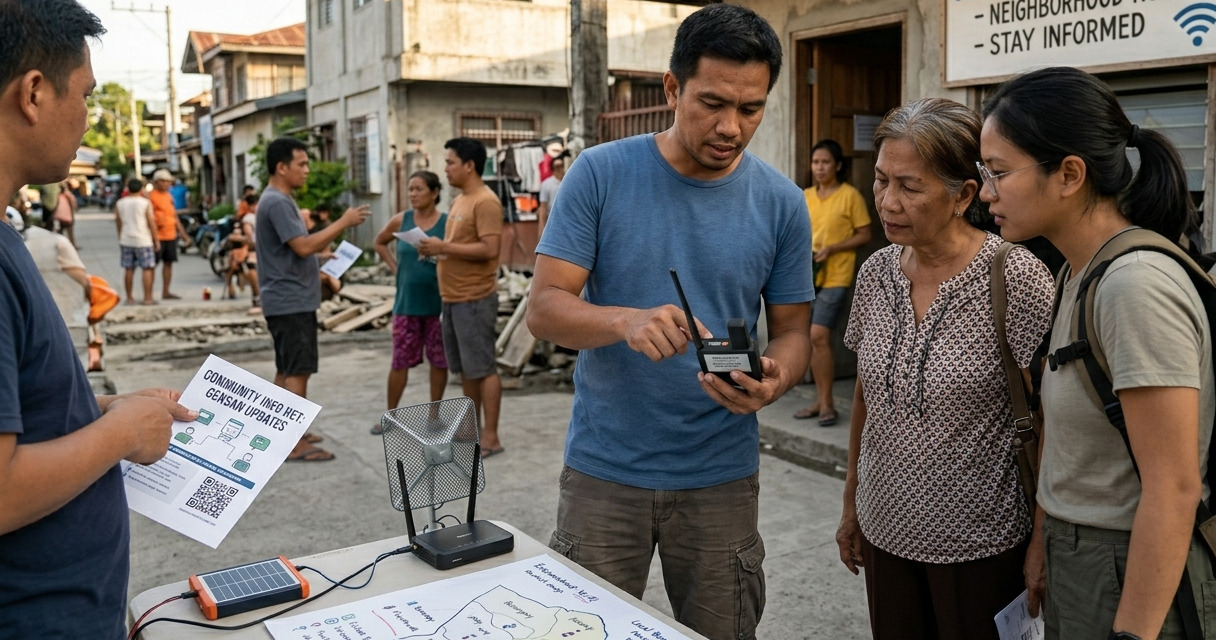
The strategy is centered on unified action, requiring all local government units to be involved in the continuous monitoring of water and crop conditions. Officials are working to ensure that contingency plans are not just reactive, but are integrated into the daily routines of barangay-level governance. By fostering this culture of preparedness, the province ensures that all sectors—from tourism operators to residential households—understand the importance of water conservation. This collaborative effort is essential for preserving the unique environment that makes Bohol a UNESCO Global Geopark.
Governance with a Long-Term Vision
This climate-conscious management style reflects the ongoing effort by the administration to align provincial policies with the requirements of a changing global climate. By taking early action, the government minimizes the likelihood of severe economic damage and social strain among the population. Such proactive governance not only serves the immediate needs of the community but also ensures the long-term sustainability of the island’s tourism and economic base. As the task force continues to refine its response operations, it remains a model for other provinces looking to build climate-resilient local economies.